

Master brand voice development. Craft an authentic, consistent voice to connect with customers and stand out.
Brand voice development is the process of creating a unique personality for your brand. It’s what makes you stand out from the background noise and become a voice customers actually want to hear.
Here’s what brand voice development involves:
- Audit your current messaging across all channels to identify inconsistencies
- Define your target audience and understand their communication preferences
- Create a brand voice chart with 3-5 core personality traits
- Document guidelines for consistent implementation across your team
- Regularly review and adapt your voice as your brand evolves
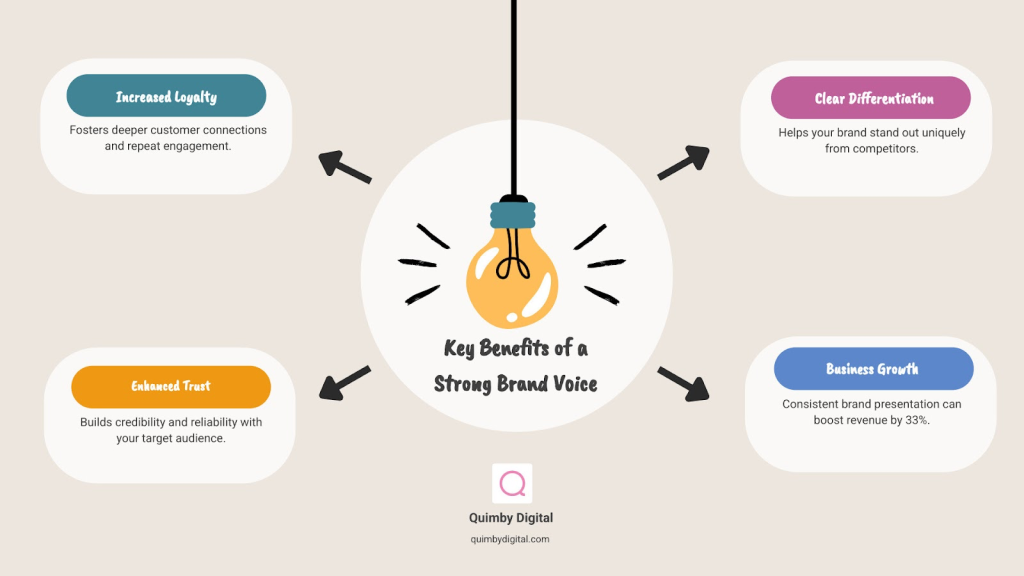
The numbers don’t lie. A consistent presentation of a brand can see revenue increase by 33%. When customers know what to expect from your communication, they’re more likely to trust, engage, and buy from you.
Think about brands you love. Their distinct voices—whether motivational or friendly—weren’t accidental; they were strategic choices that became a competitive advantage.
Your brand voice isn’t just about sounding professional. It’s about creating a personality that your wellness, CPG, or tech audience recognizes instantly—whether they’re reading an Instagram post, opening an email, or browsing your website.
Many brands mistakenly think voice is just writing style. It’s much bigger. Your voice shapes every customer interaction, building the trust and emotional connection that turns followers into loyal advocates.
Understanding the Fundamentals: Brand Voice vs. Brand Tone
Many marketers confuse brand voice and brand tone, but they are two distinct elements that create your brand’s personality.
Think of your brand voice as your core personality—it’s consistent and reflects your fundamental character. Your brand tone is your mood, adapting to different situations. You might have a warm voice, but your tone becomes more empathetic or celebratory depending on the context.
| Feature | Brand Voice | Brand Tone |
| What it represents | Your Personality – Consistent | Your Mood – Adapts to the situation |
| How it behaves | Never changes across platforms | Shifts based on context and audience |
| What it includes | Core values, humor style, communication approach | Emotional inflection for specific moments |
| Example traits | Authentic, Bold, Approachable | Celebratory, Supportive, Urgent, Playful |
Let’s say your brand voice is authentic and encouraging. On social media, your tone might be casual and playful. In customer service emails, it would be more supportive. In both cases, the authentic, encouraging personality shines through.
This distinction matters. In fact, 86% of consumers say that authenticity is a key factor when choosing brands to support. A genuine voice with an adaptive tone builds the trust that creates loyal customers.
At Quimby Digital, we see this with our wellness, CPG, and tech clients. The brands that master this balance create real connections. To learn more, check out our guide on How to Use Social Media to Build Trust With Your Audience.
Why a Distinct Brand Voice is Non-Negotiable
The internet is noisy, and most brands sound the same: generic and forgettable. A distinct voice is essential for survival.
When you stand out from competitors, you become the brand people remember and recommend. A unique voice also helps you build genuine customer loyalty. People buy into personalities and values, creating an emotional connection that goes beyond a simple transaction.
A consistent brand identity is key. Whether on TikTok, email, or your website, your audience should recognize you instantly. In fact, 90% of customers expect consistent interactions across channels. Delivering this consistency builds recognition and drives growth.
This is something we’re passionate about at Quimby Digital. For more strategies, see our post on Social Media Marketing & SEO Hacks to Amplify Brand Presence.
How Your Mission and Values Shape Your Voice
Developing your brand voice starts by looking inward at what your brand stands for, not by just picking cool adjectives.
Your core values are the DNA of your voice. If innovation is a core value, your voice might be forward-thinking. If community is at your heart, you’ll sound more inclusive. Your mission statement is your North Star, guiding every communication decision.
When your company culture and communication align, your voice feels authentic because it is. This purpose-driven communication turns followers into advocates.

Authenticity isn’t just a buzzword—it’s your competitive advantage. When your voice genuinely reflects your mission and values, people can feel it. In a world of brands trying to be everything to everyone, being yourself is your most powerful differentiator.
Your Step-by-Step Guide to Brand Voice Development
Developing a compelling brand voice is a strategic process. It requires thoughtful planning and commitment to how your brand shows up in the world.
Once you nail it, that voice becomes your secret weapon for connecting with your audience in ways that feel authentic and memorable.

Step 1: Audit Your Current Messaging
Before moving forward, you need to know where you’re starting. This means taking an honest look at your current communication.
Gather examples from all touchpoints: website copy, social media, emails, customer service responses, and ads. Look for inconsistencies that might confuse your audience. Perhaps your Instagram is playful, but your website is corporate.
The goal is to understand patterns, not to judge. Ask: Does our messaging reflect who we want to be? Where do we sound most like ourselves, and where are we off-brand?
Gather feedback from your team. Customer service and social media managers have valuable insights into how your current voice is landing. This audit shows you what’s working and what needs attention. To learn more about tracking performance, see our guide on 5 Metrics to Record for Social Growth.
Step 2: Define Your Target Audience
Don’t try to speak to everyone. Your brand voice development must be laser-focused on the people who matter most to your business.
Go beyond demographics and understand your audience’s psychographics: their values, attitudes, and interests. What makes them laugh? What content do they share? Think about their communication preferences. Do they prefer straightforward information or emotional storytelling?
Social listening is your best friend here. Pay attention to how your audience talks on social media. What words and cultural references do they use? This insight is invaluable for shaping a voice that feels natural to them. For more on this, check out our article on Mastering Twitter Polls: How to Directly Engage With Your Audience.
Step 3: Analyze the Communication Landscape
Look beyond your brand to understand the conversation in your industry. The goal isn’t to copy others, but to find your unique position.
Start with competitor analysis. Study how other brands in your industry communicate. Are they serious and authoritative, or playful and approachable? Pay attention to industry trends in communication, which can reveal opportunities to be different.
Identify gaps in how everyone else is communicating. If competitors are corporate, be warm. If they’re all trying to be funny, authentic sincerity might stand out more. This analysis helps define what your brand voice is and isn’t, giving you a unique positioning that feels authentic and fills a need in the market.
Step 4: Create Your Brand Voice Chart
Your brand voice chart is a practical framework that acts as a personality profile for your brand, making your voice actionable for the whole team.
Start by choosing 3-5 core characteristics that describe your desired personality. These should feel authentic to your mission and resonate with your audience.
A key exercise is creating “We are this, not that” statements for each characteristic (e.g., “We are confident, not arrogant”). This adds nuance and clarifies boundaries.
Include practical examples that show your voice in action, with both good and bad samples so your team knows what to avoid. Finally, create vocabulary lists with preferred terms and words to avoid. This chart becomes your brand voice bible, ensuring consistency across all communications.
Documenting and Implementing Your Voice for Total Consistency
Developing your brand voice is just the start. The real work is in the consistent, daily application by your team.
Your brand might be on TikTok in the morning and LinkedIn by lunch. Without clear guidelines, your voice can become inconsistent, confusing customers about who you really are. We know this struggle well, as we explore in So Many Platforms, So Little Time.
The Essential Components of a Brand Voice Style Guide
Your brand voice style guide is a recipe book for your brand’s personality, ensuring no one is guessing how your brand should sound. It should include:
- Voice characteristics: Detailed explanations of your 3-5 core adjectives, including your “we are this, not that” statements.
- Tone variations: Guidance on how your personality adapts to different scenarios, like a celebratory product launch versus an empathetic customer complaint.
- Grammar and style rules: Specifics on things like contractions and number usage to ensure a polished feel.
- Formatting guidelines: Rules for visual presentation to create a cohesive look across channels.
- Real examples of do’s and don’ts: Show your team exactly what success looks like and what to avoid.
How to Roll Out and Enforce Your Guidelines
A style guide is useless if it’s forgotten. Success comes when your entire team adopts and lives by it.
- Team workshops: Bring the voice to life. Don’t just email the guide; practice writing together and discuss the why behind the rules.
- Centralized documentation: Make the guide easy to find in a shared drive, internal wiki, or project management tool.
- Content review processes: Use peer reviews as a safety net to ensure consistency, especially for new team members.
- Brand voice champions: Appoint team members who naturally “get” the voice to act as helpful guides for others.
The goal is to build a culture where everyone cares about how your brand sounds. For tips on maintaining voice in video, see our guide 5 Ways for Brands to Create Effective Video Content.
Best Practices and Pitfalls to Avoid
Developing a strong brand voice development strategy requires embracing best practices while avoiding common traps.

Strategies for a Compelling and Authentic Voice
The most powerful brand voices feel authentic, like a friend who gets you. This isn’t accidental; it’s the result of deliberate choices that honor your brand and audience.
- Reflect your culture: Let your internal culture shine through in your external voice. When your voice mirrors your values, people feel it. 86% of consumers say authenticity is important when choosing brands.
- Respect your audience: Speak to them, not down to them. Understand their world and meet them where they are.
- Use storytelling: Humans are hardwired for stories. Narratives make your voice memorable and emotionally resonant.
- Be human and relatable: Even in B2B, you’re speaking to humans. Inject personality and warmth to be approachable and expert, but never condescending.
These strategies build real communities, as we shared in our case study: We Grew a Client by 20k Followers in Two Months (And How You Can Do the Same).
Common Pitfalls in Brand Voice Development
Being aware of these common mistakes helps you steer clear of them.
- Inconsistency: A voice that changes between platforms confuses your audience.
- Inauthenticity: Consumers can spot a fake personality. Don’t adopt a voice that doesn’t reflect your true values.
- Chasing every trend: Jumping on every viral moment can seem desperate. Only integrate trends that align with your core personality.
- Ignoring your audience: A voice that sounds great to you might fall flat with the people you’re trying to reach.
- Being too rigid: Consistency is key, but your voice needs flexibility to adapt to different situations without sounding robotic.
- Forgetting to evolve: Language and culture shift. A voice that felt fresh five years ago might seem stale today.
How to Review and Adapt Your Voice Over Time
Your brand voice isn’t static. It’s a living part of your brand that must evolve thoughtfully over time.
- Regular audits: Schedule quarterly or annual reviews to check for relevance and consistency.
- Monitor engagement metrics: See how your audience responds. If certain messages perform better, that’s valuable data.
- Solicit feedback: Ask customers and team members how they’d describe your brand’s personality. Does their perception match your intent?
- Evolve with your brand: As your business grows or attracts new audiences, your voice may need subtle adjustments.
- Stay relevant: In a world of AI-generated content, a genuine human voice is more valuable than ever. Ensure your voice continues to stand out.
Frequently Asked Questions about Brand Voice
When it comes to brand voice development, we hear the same questions from our clients time and time again. Let’s tackle the most common ones.
What is the fastest way to define my brand voice?
Try this quick exercise: write down three adjectives that describe your brand’s personality (e.g., playful, informative, empowering).
Next, think of a well-known personality or character who embodies those traits. This creates an instant reference point for your team.
Instead of saying “be more authentic,” you can say “channel our brand personality like your chosen character reference.” This makes an abstract concept concrete and memorable.
How do I maintain a consistent voice with a growing team or freelancers?
Your brand voice style guide is your best friend. It must be a living, easily accessible document. Regular training sessions are crucial for new team members and freelancers. We also recommend a peer-review process for the first few pieces of content from any new creator.
Consider appointing a “brand voice champion” on your team—someone who truly gets your voice and can offer guidance to others.
Can my brand voice be different on TikTok than on LinkedIn?
This is our most asked question. Your core brand voice (your personality) should stay consistent everywhere. However, your brand tone should absolutely adapt.
You’re the same person at a family dinner and a business meeting, but you adjust how you express yourself. On TikTok, your tone might be more playful and informal. On LinkedIn, it might be more professional and insightful.
Both approaches should still feel authentically like your brand. If your voice is witty, you can express that through memes on TikTok and insightful commentary on LinkedIn. It’s different packaging for the same personality.
Conclusion: Make Your Voice Heard
Your brand’s voice isn’t a marketing checkbox; it’s the heartbeat of your communication strategy, weaving through every customer interaction.
In a world fighting for attention, your voice is what makes people stop scrolling and listen. It transforms casual browsers into engaged community members and loyal advocates.
Brand voice development is about building bridges. When you nail this, your audience doesn’t just buy from you—they become part of your story.
For wellness, CPG, and tech-forward brands, authenticity is non-negotiable. Your audience craves real, relatable brands, not corporate speak.
At Quimby Digital, we’ve seen how a well-crafted voice can transform a brand’s trajectory. It’s about creating a personality your audience recognizes instantly, whether on TikTok or Reddit.
Your voice makes you memorable in a sea of sameness. It helps you cut through the noise of AI-generated content and connect with real humans.
The brands that thrive today have the most authentic, consistent voices that resonate with their communities—not necessarily the biggest budgets.
Ready to find what your brand really sounds like? Let’s craft a voice that resonates with your audience and turns your communication from background noise into must-hear content.
Voice builds trust. Refine your brand awareness strategy, align with authentic storytelling, and inspire loyalty and reputation.