


Master your community engagement strategy to build trust, foster equity & ensure sustainable outcomes. Discover our blueprint.
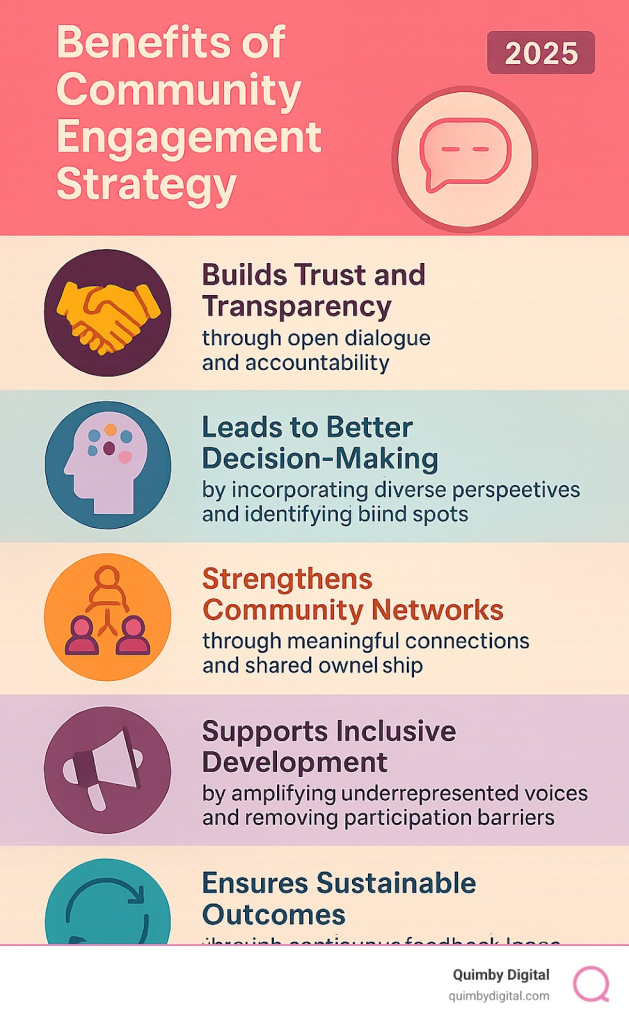
A community engagement strategy is a structured plan for how your organization will interact with its community to build relationships and gather valuable insights. It’s about moving beyond one-way communication and creating a genuine, two-way dialogue.
An effective strategy includes:
- Clear objectives aligned with your brand’s mission.
- An inclusive approach that reaches diverse groups.
- Multiple engagement channels (online forums, surveys, events).
- Continuous feedback loops to show community input matters.
- Dedicated resources for staff, tools, and participant compensation.
- A framework to measure participation, satisfaction, and outcomes.
Without a thoughtful approach, brands risk launching products that miss the mark, fostering distrust, and alienating the very people they aim to serve. For wellness, CPG, and tech brands, authentic community engagement is no longer optional—it’s essential for building lasting customer relationships.
The Foundation: Why Community Engagement is Non-Negotiable
Picture this: A tech startup spends months developing what they think is the perfect wellness app. They launch with fanfare, only to find their target audience finds it completely irrelevant to their actual needs. Sound familiar? This scenario plays out countless times because brands skip the most crucial step—talking to their community first.
A solid community engagement strategy is the difference between guessing what your audience wants and actually knowing what they need. When companies genuinely listen to their communities, trust builds naturally. This isn’t just feel-good marketing speak—it’s business smart. Your customers become invested in your success because they helped shape it.
Furthermore, a thoughtful strategy actively seeks out diverse perspectives, especially from historically underrepresented groups. This isn’t just about doing the right thing; it leads to better products and services that actually serve your entire community. Getting input early means avoiding costly mistakes later. It’s about building social capital—the goodwill and trust that carries your brand through challenges and fuels long-term growth.
Understanding the Spectrum of Engagement
Community engagement isn’t just “on” or “off”—it exists on a rich spectrum that ranges from simply sharing information to fully empowering your community to make decisions alongside you.

Think of it like a ladder where each rung represents deeper involvement:
- Inform: One-way communication to provide your community with objective information.
- Consult: Gathering feedback on your plans through surveys, polls, or feedback forms.
- Involve: Working directly with the community throughout your process, ensuring their concerns consistently shape your direction.
- Collaborate: Partnering with your community to develop solutions and alternatives together.
- Empower: Placing final decision-making in the hands of the community.
This framework helps you distinguish between a one-off poll (“thin” engagement) and an ongoing advisory program (“thick” engagement). Both have value, but the most impactful strategies combine approaches to build lasting relationships.
The Cost of Inaction
Ignoring community engagement doesn’t save you time or money. It costs you both. When brands skip meaningful engagement, they create a divide between themselves and the people they’re trying to serve. This fosters distrust and leads to wasted resources on products that miss the mark. Without intentional outreach, the same voices dominate while others remain unheard, perpetuating exclusion and leading to decisions based on incomplete information. The cost isn’t just monetary; it’s measured in lost trust, missed opportunities, and the challenge of building authentic relationships from a foundation of neglect.
The Blueprint: Crafting Your Community Engagement Strategy
So, you’re convinced that a robust community engagement strategy is essential. But where do you begin? A well-thought-out strategy serves as your roadmap for successful engagement, guiding every step from initial concept to long-term impact.
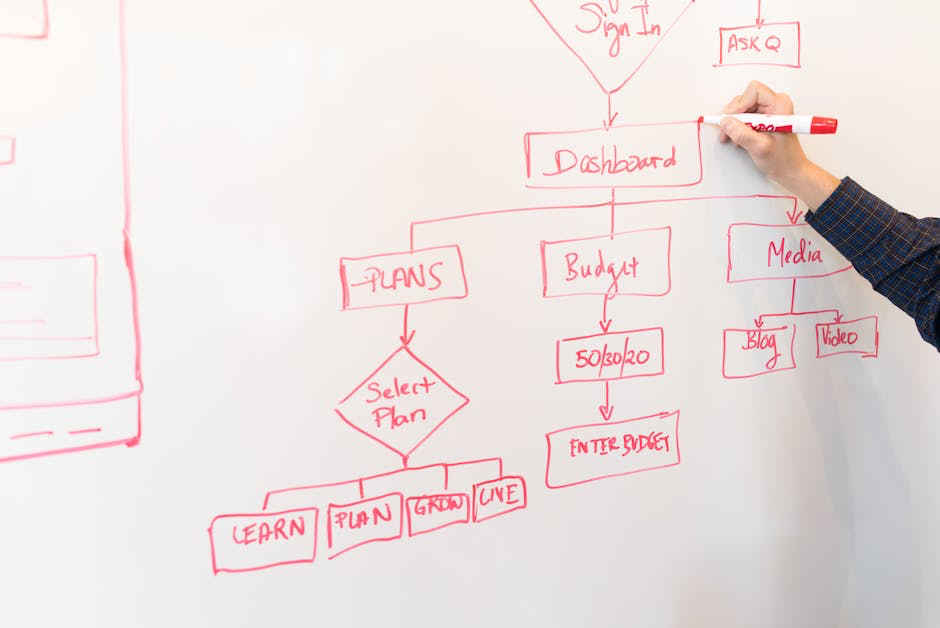
Creating an effective community engagement strategy starts with these core components:
- Define Clear Objectives: What are you trying to achieve? Set SMART (Specific, Measurable, Achievable, Relevant, and Time-bound) goals to guide your efforts.
- Conduct a Stakeholder Analysis: Identify everyone who needs to be part of the conversation, from end-users to internal teams, and understand their interests and influence.
- Allocate Resources: Be realistic about the budget, time, and people required. Meaningful engagement is an investment, and it’s important to consider compensating participants for their time and insights.
- Secure Internal Buy-in: Ensure your entire team is on board, with clearly defined roles and responsibilities.
- Create a Meaningful Feedback Loop: Show your community that their input matters by demonstrating how it shapes real decisions and drives change.
Core Component 1: Ensuring Inclusivity and Representation
Inclusivity is the foundation of a meaningful community engagement strategy. It’s not enough to just open the door; you must actively ensure all voices are heard, especially those from historically underrepresented groups.
- Diversity: Go beyond demographics to include a rich mix of opinions, experiences, and perspectives. As the CDC’s Principles of Community Engagement, Second Edition emphasizes, this diversity leads to better outcomes for everyone.
- Accessibility: Consider all potential barriers to participation, including timing, location, technology, and financial constraints. Offering fair compensation for people’s time is a key way to remove barriers.
- Cultural Sensitivity and Language Access: Tailor your approach to meet specific cultural needs and provide materials in relevant languages.
- “Nothing About Us Without Us”: If your decisions affect specific communities, those communities must have meaningful input in the process.
- Monitor for Equity: Regularly analyze your data to see who you’re reaching and adjust your strategy to ensure no one is left behind.
Core Component 2: Recruiting and Mobilizing Your Community
Getting people excited to participate is about strategic, relationship-focused outreach.
- Personal Invitations: A personal invitation is far more effective than a mass email. Encourage your team and supporters to invite their networks.
- Engage Community Leaders: Identify and partner with trusted leaders who can act as a bridge to the community. They can be found in local businesses, faith communities, or neighborhood groups.
- Build Trust Gradually: Start with smaller, low-stakes issues to demonstrate that you listen and act on feedback. Consistency and transparency are key.
At Quimby Digital, our expertise in organic growth strategies aligns perfectly with authentic community building. We know that real engagement grows from genuine connections and shared values. If you’re curious about how organic growth principles can support your community engagement efforts, you can find more info about organic growth services on our website.
Core Component 3: Developing a Clear Communications Plan
Even the best strategy will fail without clear communication. Your plan should be the nervous system of your engagement effort.
- Know Your Audience: Understand how different groups prefer to receive information and tailor your messaging accordingly.
- Be Clear and Consistent: Use simple, jargon-free language. Be upfront about the purpose of the engagement and what’s open for input.
- Choose the Right Channels: Meet people where they are, whether that’s on social media, in local newsletters, or at community events.
- Time it Right: Communicate early and often, but avoid overwhelming people. Be mindful of holidays or other events that might distract your audience.
- Prepare for Crises: Have a plan to respond quickly, respectfully, and transparently to negative feedback or unexpected issues.
Putting Your Plan in Motion: Methods and Activities
With your community engagement strategy blueprint in hand, it’s time to bring it to life! The most successful engagement often involves a thoughtful combination of approaches, chosen to meet your specific goals and audience needs.

The key is to lower barriers to entry. This means meeting people where they are, both literally and figuratively. Consider holding conversations in small groups, offering one-on-one office hours, and providing practical support like childcare, transportation stipends, and translation services to ensure true inclusivity.
Comparing Common Engagement Activities
Different activities serve different purposes. A strong community engagement strategy often blends several approaches:
- Focus Groups: Ideal for deep dives into specific topics with a small, targeted group. They provide rich, qualitative feedback but aren’t representative of the entire community.
- Community Meetings: Great for gathering diverse perspectives on broader issues and building momentum. However, they can sometimes be dominated by the most vocal participants.
- Online Platforms & Surveys: Excellent for reaching a wide audience and collecting quantifiable data efficiently. The challenge is ensuring digital equity and avoiding the impersonal nature of surveys.
- Hybrid Models: Combining online and in-person activities can offer the best of both worlds, blending the reach of digital tools with the personal connection of face-to-face interaction.
Best Practices for a Successful community engagement strategy
How you engage is as important as what you do.
- Communicate Clearly: Be transparent about your goals and how feedback will be used.
- Set Realistic Expectations: Be honest about what can and cannot be changed.
- Listen Actively: Train your team to understand the emotions and experiences behind the words.
- Show Appreciation: Acknowledge and thank participants for their valuable contributions.
- Follow Up Consistently: Close the loop by sharing how community input influenced the outcome.
Adapting Your community engagement strategy for Online vs. In-Person
The digital world offers powerful tools for engagement, but it requires a different approach. Balance synchronous (live) and asynchronous (on-demand) activities to accommodate different schedules. Be mindful of the digital divide and have a plan for skilled online moderation. Using video can help bridge the digital gap and build a more personal connection. Learn more with our 5 Ways for Brands to Create Effective Video Content.
The goal isn’t to choose between online and offline engagement—it’s to create a seamless experience that meets your community where they are and makes participation as accessible as possible for everyone.
The Foundation: Why Community Engagement is Non-Negotiable
We’ve all seen it: a new product launches, a policy changes, or a service is introduced, and it just…flops. Why? Because the people it was meant to serve weren’t part of the conversation. This is where a robust community engagement strategy changes missteps into meaningful connections and successful outcomes.
At its heart, engagement is about acting on community values and needs. For wellness, CPG, and tech brands, trust is everything—and it grows fastest when you build with your audience, not just for them. A proactive approach, supported by intentional listening and transparent follow-up, builds social capital and reduces costly rework. Learn more about building trust here: How to Use Social Media to Build Trust With Your Audience.
Understanding the Spectrum of Engagement
Community engagement exists on a spectrum: Inform → Consult → Involve → Collaborate → Empower. Each step represents deeper participation and shared decision-making. This framework helps you match your methods to your goals and combine “thin” (e.g., surveys) with “thick” (e.g., advisory boards) engagement.
The Cost of Inaction
Skipping engagement widens divides, erodes trust, and leads to irrelevant launches and rework. It also sidelines historically underrepresented groups, leaving decisions to a narrow set of voices and missing key insights. The cost is measured in wasted resources—and lost credibility.
The Blueprint: Crafting Your Community Engagement Strategy
So, you’re convinced that a robust community engagement strategy is essential. Think of it like building a house: you need a solid blueprint before you lay the first brick.
- Define Clear Objectives: Set SMART goals to guide scope, success metrics, and timelines.
- Conduct a Stakeholder Analysis: Map who is affected, their influence, and how best to reach them.
- Allocate Resources Strategically: Budget for time, tools, staff skills—and compensate participants fairly.
- Secure Internal Buy-in: Align teams on roles, responsibilities, and decision-making authority.
- Create a Feedback Loop: Show how input shapes decisions and communicate outcomes back to the community.
Core Component 1: Ensuring Inclusivity and Representation
Diversity, equity, accessibility, and cultural responsiveness are non-negotiable. Remove participation barriers (timing, childcare, transit, tech access) and provide language access. Use the guidance in the CDC’s Principles of Community Engagement, Second Edition. Apply “Nothing About Us Without Us” so impacted communities shape decisions.
Core Component 2: Recruiting and Mobilizing Your Community
- Prioritize personal invitations and partnerships with trusted community leaders.
- Use a Stakeholder Tree Exercise to expand outreach.
- Build trust gradually with consistent, transparent follow-through.
- Leverage organic growth—authentic connections over paid reach. See More info about organic growth services.
Core Component 3: Developing a Clear Communications Plan
- Know your audiences and tailor messages and channels accordingly.
- Use plain language; specify what’s open to change.
- Communicate early and regularly; avoid major holidays.
- Prepare a crisis protocol for fast, respectful responses.
Putting Your Plan in Motion: Methods and Activities
With your community engagement strategy blueprint in hand, bring it to life by lowering barriers and meeting people where they are. Blend small-group conversations, 1:1 office hours, and inclusive supports (childcare, stipends, translation/interpretation) to ensure meaningful participation.
Comparing Common Engagement Activities
- Focus Groups: Deep qualitative insights from targeted participants; not fully representative.
- Community Meetings: Broad perspectives and momentum; can skew toward the most vocal.
- Online Platforms & Surveys: Scalable, efficient data collection; requires attention to digital equity.
- Hybrid Models: Combine reach of digital with in-person trust-building.
Best Practices for a Successful community engagement strategy
- Communicate goals, scope, and how input will be used.
- Set realistic expectations about constraints.
- Practice active listening and empathetic facilitation.
- Show appreciation and compensate fairly where appropriate.
- Close the loop with clear summaries of what changed—and why.
Adapting Your community engagement strategy for Online vs. In-Person
Balance synchronous (live) and asynchronous (on-demand) options. Plan for inclusive tech access, clear moderation, and disability accommodations. Use video, visuals, and brief summaries to keep participation accessible and human.
The Foundation: Why Community Engagement is Non-Negotiable
A thoughtful community engagement strategy ensures you build with your community, not just for them. It strengthens trust, advances equity, and reduces costly rework. For wellness, CPG, and tech brands, this is the fastest path to relevance and loyalty. For practical trust-building tactics, see How to Use Social Media to Build Trust With Your Audience.
Understanding the Spectrum of Engagement
Inform → Consult → Involve → Collaborate → Empower. Use this spectrum to match your methods and share power appropriately.
The Cost of Inaction
Skipping engagement breeds distrust, overlooks underrepresented voices, and wastes resources on solutions that miss real needs.
The Blueprint: Crafting Your Community Engagement Strategy
A strong community engagement strategy provides clarity, discipline, and accountability.
- Define Clear Objectives: SMART targets focused on impact and learning.
- Conduct a Thorough Stakeholder Analysis: Identify who matters, why, and how to reach them.
- Allocate Resources Strategically: Budget for tools, capacity, and participant compensation.
- Secure Internal Buy-in: Align teams and decision rights before you engage.
- Create a Feedback Loop: Share back what you heard and what you’re doing about it.
Core Component 1: Ensuring Inclusivity and Representation
Design for equity from the start: diverse representation, accessibility supports, cultural and language access, and equitable data monitoring. Ground your approach in the CDC’s Principles of Community Engagement, Second Edition.
Core Component 2: Recruiting and Mobilizing Your Community
- Lead with personal outreach and trusted messengers.
- Use a Stakeholder Tree Exercise to widen reach.
- Build trust over time through consistent action.
- Grow authentically. Learn more: More info about organic growth services.
Core Component 3: Developing a Clear Communications Plan
- Audience-first messaging, plain language, and the right channels.
- Predictable cadence; avoid peak distraction periods.
- Crisis-ready protocols and transparent updates.
Putting Your Plan in Motion: Methods and Activities
Activate your community engagement strategy with inclusive, low-friction activities. Offer small-group sessions, office hours, and supports like childcare, transportation stipends, and language services.
Comparing Common Engagement Activities
- Focus Groups: Targeted, rich feedback on specific topics.
- Community Meetings: Broad input; visibility and momentum.
- Online Platforms & Surveys: Wide reach and quant data.
- Hybrid Models: Flexibility and accessibility across audiences.
Best Practices for a Successful community engagement strategy
- Be transparent about goals and constraints.
- Listen actively and facilitate with empathy.
- Compensate fairly and acknowledge contributions.
- Share how input influenced outcomes.
Adapting Your community engagement strategy for Online vs. In-Person
Blend live and on-demand formats. Ensure digital access, strong moderation, and inclusive design. Use clear visuals and concise summaries to keep engagement accessible.
The Foundation: Why Community Engagement is Non-Negotiable
When communities help shape solutions, brands earn trust faster and avoid costly misfires. A robust community engagement strategy centers real experiences—especially from underrepresented groups—so your product or service lands right the first time. For trust-building best practices, explore How to Use Social Media to Build Trust With Your Audience.
Understanding the Spectrum of Engagement
Use a practical spectrum—Inform, Consult, Involve, Collaborate, Empower—to align methods with the level of influence you’re prepared to share.
The Cost of Inaction
Not engaging leads to distrust, fragmented feedback, and products that don’t meet real needs—plus the reputational and financial costs of fixing it later.
The Blueprint: Crafting Your Community Engagement Strategy
Your community engagement strategy should be focused, inclusive, and measurable.
- Define Clear Objectives: SMART, impact-oriented goals.
- Conduct a Thorough Stakeholder Analysis: Map interests, influence, and engagement preferences.
- Allocate Resources Strategically: Invest in skills, tools, and participant compensation.
- Secure Internal Buy-in: Clarify roles and decision authority.
- Create a Feedback Loop: Close the loop publicly with what changed and why.
Core Component 1: Ensuring Inclusivity and Representation
Design for equitable participation: remove logistical and financial barriers, provide language access, and monitor who is (and isn’t) represented. See CDC’s Principles of Community Engagement, Second Edition.
Core Component 2: Recruiting and Mobilizing Your Community
- Personal invitations > mass outreach.
- Partner with trusted community leaders.
- Use a Stakeholder Tree Exercise to expand reach.
- Grow organically and authentically: More info about organic growth services.
Core Component 3: Developing a Clear Communications Plan
- Audience-first messaging and channel mix.
- Plain language and clear scope.
- Consistent cadence and crisis-ready responses.
Putting Your Plan in Motion: Methods and Activities
Bring your community engagement strategy to life by blending formats and reducing friction to participate. Create welcoming spaces, offer 1:1 time, and provide practical supports (childcare, stipends, translation/interpretation).
Comparing Common Engagement Activities
- Focus Groups: Deep, qualitative insights from defined segments.
- Community Meetings: Broad input and shared momentum.
- Online Platforms & Surveys: Scalable reach and measurable data.
- Hybrid Models: Combine digital reach with in-person connection.
Best Practices for a Successful community engagement strategy
- Be transparent about goals, constraints, and decision-making.
- Listen actively; facilitate for inclusion and equity.
- Compensate and acknowledge contributions.
- Share outcomes and next steps to close the loop.
Adapting Your community engagement strategy for Online vs. In-Person
Balance live and on-demand participation. Plan for digital equity, accessibility, and thoughtful moderation. Use concise recaps and visual aids to keep engagement clear and inclusive.