


Digital community building is the process of creating online spaces where people with shared interests can connect, engage, and support one another. Successful communities involve fostering digital communities that thrive:
Core Elements:
- Define your purpose: A clear mission and value proposition
- Know your audience: Detailed member personas and needs
- Choose the right platform: Social media vs. dedicated platforms
- Create engagement: Fostering meaningful interactions
- Measure success: Tracking KPIs like active members and engagement rates
In a crowded, impersonal social media landscape, traditional marketing is losing its punch. Customers crave authentic connection, and the solution is building a vibrant digital community.
As community expert Gesche Haas notes, “Community is not the cult of celebrity. It’s a reciprocal thing. It is about building connections, true connections, and developing those connections into relationships.”
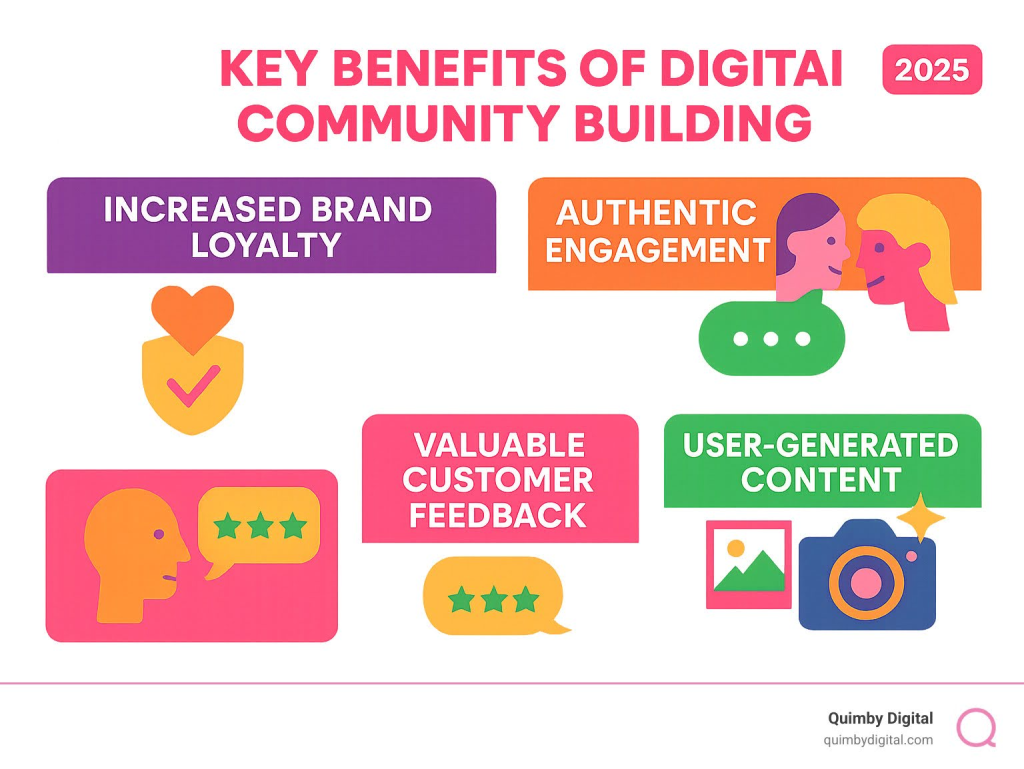
Digital communities drive real business results:
- Higher customer retention through deeper brand loyalty
- Increased engagement with authentic, two-way conversations
- Valuable feedback from your most invested customers
- User-generated content that builds trust and social proof
Quality beats quantity. A community of 100 engaged members is more valuable than 10,000 passive followers.
Regardless of your industry—wellness, CPG, or tech—the principles are the same: a clear strategy, the right platform, and consistent effort are essential for nurturing genuine connections.
Building digital communities fosters a sense of belonging and encourages interaction among members.
Building and nurturing these digital communities is essential for modern engagement.
The Foundation: Understanding the ‘Why’ and ‘Who’ of Your Community
Building a community is like hosting a dinner party: you need to know why you’re gathering people and who you want at the table.
The same applies to digital community building. Before choosing a platform or writing welcome messages, you need a solid foundation. Without a clear purpose and audience understanding, your community will feel empty.
From our work with wellness, CPG, and tech brands, we’ve learned that community isn’t about you—it’s about them. Successful communities solve real problems for their members.
The Community of Inquiry (CoI) Framework Explained
The Community of Inquiry (CoI) framework explains why some online communities thrive. It identifies three essential elements for meaningful online experiences. Picture these as three overlapping circles where the magic happens:
Social presence is the human connection. It’s how members project their personalities and build relationships, making the community feel warm and welcoming instead of transactional.
Cognitive presence is the mental engagement. It happens when members think, problem-solve, and build ideas together, leading to meaningful conversation rather than surface-level chatter.
Teaching presence is the guidance and structure that keeps the community on track. For brands, this means facilitating discussions, sharing expertise, and modeling desired behavior to help the community deliver value.
The CoI Framework shows that thriving communities need all three presences. Understanding this helps you design experiences that truly engage members.
Defining Your Community’s Purpose and Audience
Define your “why.” Are you building a space for customer support, product feedback, brand advocacy, or thought leadership? For our clients, the purpose is often to foster deeper customer relationships, gain innovation insights, or create a hub for their audience.
Your purpose becomes your North Star, guiding every decision from platform choice to content strategy.
Next, define the “who.” Understand your ideal members by digging into their demographics, psychographics, behaviors, and challenges. Go beyond basic stats to understand their motivations and pain points.
Detailed member personas are crucial because empathy drives community. A tech audience values efficiency and insights, while a wellness community may prioritize emotional support. These differences shape your design.
Pro tip: Spend time where your audience already gathers (Reddit, TikTok, niche forums). Listen to their conversations, questions, and frustrations. This research is gold for building trust with your audience.
Whether you’re attracting digital creators or entrepreneurs, the principle is the same: know your community. This understanding transforms an online space into a thriving ecosystem.
The Blueprint for Your Digital Community Building Strategy
With your “why” and “who” established, it’s time to design your community’s blueprint. These decisions shape how members experience and engage with your brand.
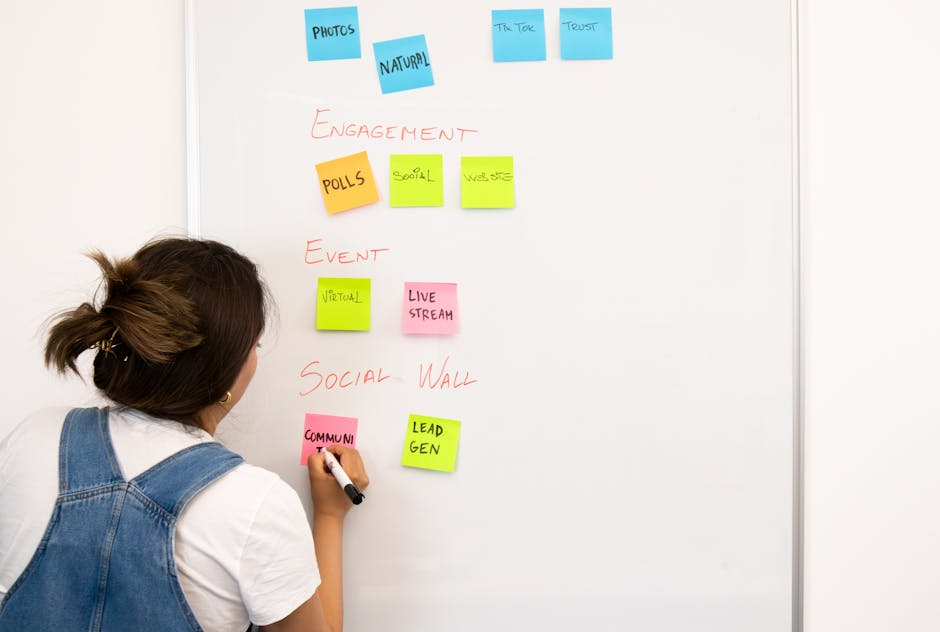
Strategic choices in platform selection and onboarding determine if your community thrives or becomes forgotten. Let’s review the essentials.
Choosing Your Platform: Social Media vs. Dedicated Platforms
Many brands get stuck choosing a platform. While “free” social media is tempting, digital community building requires weighing the trade-offs.
Social media groups are familiar and accessible, but our experience shows that what seems free often has hidden costs.
| Feature | Social Media Groups (e.g., Facebook, Reddit) | Dedicated Community Platforms |
| Control | Limited; platform dictates rules, features, and algorithms. | Full control over content, branding, user experience, and data. |
| Branding | Minimal customization; often generic or limited to a profile picture/cover. | Extensive customization; white-labeling, custom domains, full brand integration. |
| Data Ownership | Platform owns user data; limited analytics for community managers. | You own your member data; comprehensive analytics. |
| Distractions | High; constant notifications, ads, and competing content. | Low; focused environment free from external ads and unrelated content. |
| Monetization | Indirect (e.g., driving traffic to external sales pages); often no native tools. | Native monetization (subscriptions, courses, paid content); lower transaction fees. |
Building on another platform means you’re renting space. They control the rules and algorithm and can even shut down, making your community vulnerable.
A hybrid approach works well: use social media to find and engage people, then invite them to your dedicated community. This combines social media’s reach with the control of ownership. So Many Platforms, So Little Time explores this further.
Core Components of Digital Community Building
After choosing a platform, build the infrastructure to welcome and engage members.
Onboarding new members is critical. Your welcome process should be personal, not transactional. Start with a warm welcome message or an introductory video.
Clearly guide new members’ first steps. Tell them where to introduce themselves and what to know. A simple checklist or tour prevents them from feeling lost or overwhelmed.
Community guidelines create psychological safety. Clear expectations encourage authentic participation. Cover member behavior, relevant topics, conflict resolution, and zero-tolerance policies in a welcoming tone.
Branding and customization make a platform your space. Use a cohesive visual identity (colors, fonts, logos) and a clear community description that explains who it’s for and why they should join.
Setting the Stage: Communication and Clear Expectations
Clear communication prevents most community problems. Members need to know what to expect.
Set clear community goals, similar to learning outcomes, to define what members will gain from participation.
Be transparent about response times. Managing expectations prevents frustration and builds trust.
Netiquette guidelines help members contribute constructively, creating an environment for respectful, diverse viewpoints.
Use pinned posts for key info and regular announcements to keep everyone informed. These foundations create a comfortable environment where connections flourish, making your community a place people want to be.
The Engine: Igniting Engagement and Sustaining Growth
With a solid foundation, the real magic begins. This is where you transform an online space into a living community where members eagerly return and connect.
The secret to creating momentum is building an environment where people feel seen, heard, and valued.

Fostering Social and Cognitive Presence
Now, put the Community of Inquiry framework into action. Foster social presence (human connection) and cognitive presence (mental engagement).
- Use icebreakers: Simple prompts can break down barriers effectively.
- Create themed discussions: Posts like “Motivation Monday” add structure and create anticipation.
- Ask open-ended questions: Spark deep discussions by asking questions that go beyond a simple yes or no.
- Model desired behavior: Share your own vulnerabilities to encourage deep responses and celebrate member wins to foster support.
- Use varied tools: Discussion boards work for structured talks, while live event features like breakout groups, chat panels, and the “raise hand” function engage different personality types.
- Encourage user-generated content: When members share, they invest emotionally. Peer-review sessions can position members as experts.
Leveraging Gamification and Video to Boost Participation
Gamification taps into our natural desire for achievement. Use leaderboards, badges, and points systems to reward engagement, and offer exclusive content to dedicated members. Many platforms offer integrated reward systems; the key is to keep it fun.
Video content is a secret weapon, and authenticity beats polished production.
- Asynchronous video allows members to share updates on their own time, turning usernames into real people.
- Live streams create “you had to be there” moments that strengthen bonds. Host casual Q&As or behind-the-scenes glimpses.
- Video responses can create richer, more personal conversations.
For any brand, video can show products in action or offer quick tips. 5 Ways for Brands to Create Effective Video Content offers more strategies.
Growing Your Community From the Ground Up
Growth requires strategy, patience, and starting small.
- Start with a soft launch to your existing network (customers, email list) to populate your community.
- Promote across all channels, leading with the value members will receive.
- Collaborate with micro-influencers or complementary brands for genuine recommendations.
- Encourage member invitations by making it easy and rewarding.
Growth isn’t automatic. It requires active work like Organic & Paid Social Media Campaigns and engaging on platforms like Reddit and TikTok. See 6 Ways to Grow Your Social Media Following for more tactics. Sustainable growth prioritizes quality over quantity.
The Health Check: Managing, Measuring, and Adapting Your Community
A vibrant digital community is like a garden: it needs regular care to flourish. Successful communities aren’t launched and forgotten; they are actively managed, measured, and adapted.

This phase is your community’s health check, requiring ongoing assessment to stay healthy.
The Art of Moderation and Conflict Resolution
Conflict is inevitable, so be prepared with a thoughtful moderation approach. Effective moderation embodies teaching presence, guiding discussions to be productive and welcoming. You’re a facilitator, not just an enforcer.
- Be proactive: Get ahead of problems by monitoring conversations, offering guidance, and redirecting discussions that go off course.
- Handle conflict carefully: When issues arise, take discussions private or mediate between members. The goal is respectful debate, not eliminating disagreement.
- Maintain a healthy space: Enforce clear boundaries and a zero-tolerance policy for harassment. Guidelines are the foundation for safety.
- Have a crisis plan: Be ready for issues like negative incidents or data privacy concerns to protect member trust.
- Prioritize data privacy: Be transparent about data collection, use secure platforms, and comply with regulations like GDPR. Rebuilding broken trust is nearly impossible.
Measuring the Success of Your Digital Community Building Efforts
To know if your community is working, track the right metrics. Not all metrics are created equal.
- Key Performance Indicators (KPIs) must align with your goals. If your goal is retention, track engagement. For product feedback, monitor submissions.
- Active members are more important than total members. Track engagement rates, post frequency, and return visits.
- Retention rates show if members find ongoing value. Are they still active after three, six, or twelve months?
- Use analytics tools: Supplement built-in analytics with external digital analytics tools for deeper insights into member activity and popular content.
- Gather user feedback: Use polls and conversations to get the “why” behind the data.
The most important aspect is adaptability. Successful communities evolve. Test new approaches, analyze results, and pivot when needed. 5 Metrics to Record for Social Growth offers more practical insights. The goal is continuous improvement and member value; focus on authentic connections, and the numbers will follow.
Frequently Asked Questions about Digital Community Building
What are the biggest challenges in building an online community?
Digital community building is rewarding but challenging. Based on our work with wellness, CPG, and tech brands, here are common problems:
- Time commitment: A small community can require significant time, especially at the start. Plan for at least 3-5 hours weekly, but be prepared for more.
- Fostering initial engagement: It’s an art to get the first conversations going. You’ll need to constantly seed discussions and encourage participation. It’s normal to feel like you’re talking to yourself at first.
- Member retention: Keeping members long-term requires consistent value and connection. This means providing exclusive content and ensuring members feel heard.
- Scaling moderation: As your community grows, moderation becomes more complex. You’ll need clear guidelines, potential AI tools, and a dedicated team or volunteers.
- Proving ROI: You must align community metrics with business objectives like customer retention or product feedback to prove its value to stakeholders.
How long does it take to build an active online community?
There’s no magic timeline; it varies by niche, effort, and audience understanding. However, here’s a typical timeline for digital community building:
- First 3-6 months: This is the hustle phase. You’re attracting founding members, building the structure, and seeding discussions. A small, engaged core group should start to form.
- Months 6-12: Engagement deepens. The community starts attracting members via word-of-mouth, and you’ll see more user-generated content and peer-to-peer interaction.
- One year and beyond: The community becomes more self-sustaining. Members lead discussions and support each other, requiring less hands-on input from you.
Consistency is key. Communities aren’t built overnight.
Can a community be monetized without alienating members?
Absolutely. The key is a value-first approach and full transparency. Monetization should offer more value, not take it away. When members see clear benefits, they are often willing to invest in the experience.
- Membership tiers: Offer different access levels, with premium tiers providing exclusive content, expert access, or specialized groups.
- Exclusive content: Offer premium courses, workshops, or resources. Ensure this content is genuinely valuable.
- Affiliate programs: In product-focused communities, allowing members to earn by promoting products they love can be a win-win.
- Courses and programs: Integrate paid courses or programs within your community platform.
Successful monetization provides such clear value that the cost feels like a worthwhile investment, turning members into advocates.
Conclusion: Your Community Awaits
Digital community building isn’t a one-time task. It’s like tending a garden, requiring regular care and attention to flourish.
We’ve covered the essentials: understanding your purpose, choosing a platform, creating engagement, and measuring success. But our experience with wellness, CPG, and tech brands has taught us that the magic happens when you focus on people, not just metrics.
Your members are real people seeking connection and value. Focus on fostering authentic relationships, and business results will follow.
Will it take time? Absolutely. Will there be challenges? Of course. Is it worth it? Without question.
Brands that thrive today build genuine communities around shared interests. They create spaces where customers become advocates and loyalty runs deep.
Your community is waiting. Whether you’re starting out or revitalizing an existing group, every thriving community began with a clear vision.If you’re ready to build an authentic community for your wellness, CPG, or tech brand, the expert team at Quimby Digital can help you craft and execute a winning strategy. We understand the unique challenges of digital community building and know how to turn engaged audiences into lasting communities. Explore our community building services to get started on your journey.