


Quick Answer: To drive brand awareness effectively:
- Define your brand personality and values clearly
- Maintain consistent visual identity and messaging across all platforms
- Create valuable content that educates rather than sells
- Build authentic communities through social engagement
- Partner strategically with aligned brands and influencers
- Run smart campaigns focused on connection over conversion
- Measure brand mentions, social sentiment, and organic traffic
Brand awareness isn’t just about being recognized – it’s about being remembered for the right reasons. When consumers think of your product category, you want your brand to come to mind first. This top-of-mind awareness is what separates market leaders from also-rans.
The stats tell the story: 46% of consumers pay more for brands they trust, and brands with consistent presentation increase revenue by 33%. But here’s what many businesses miss – brand awareness takes 5-7 impressions to create, and 95% of potential buyers aren’t ready to purchase today.
This means your brand awareness strategy needs to play the long game. You’re not just driving immediate sales – you’re building the trust and recognition that will pay dividends for years to come.
For wellness brands, CPG companies, and tech startups especially, strong brand awareness can be the difference between struggling for every customer and having customers seek you out. It affects everything from your ability to attract top talent (companies with strong branding see 50% more job applicants) to your pricing power in the market.
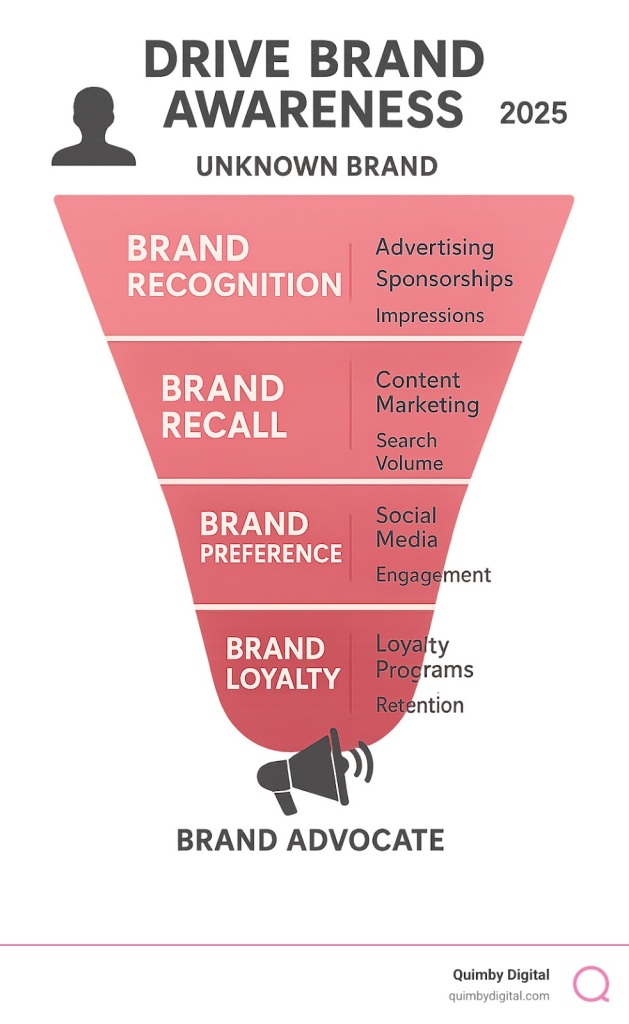
Step 1: Define Your Brand’s Soul
Before you can drive brand awareness effectively, you need to know who your brand really is. Think of your brand as a person walking into a room – what’s their personality? Are they the confident innovator, the nurturing helper, or the reliable friend everyone turns to?
This isn’t just marketing fluff. Your brand personality becomes the foundation for every piece of content you create, every social media post you share, and every campaign you launch. Without this clarity, your brand awareness efforts will feel scattered and forgettable.
Start with your brand values and mission statement. What does your company actually stand for? Maybe it’s sustainability, innovation, or making wellness accessible to everyone. These aren’t just nice words for your website – they’re the compass that guides every brand decision.
Your target audience needs to see themselves reflected in your brand story. When a busy mom finds your wellness brand, does she think “finally, someone who gets it”? When a tech startup founder finds your software, do they feel understood? This connection happens when your brand personality aligns with your audience’s values and aspirations.
Storytelling transforms your brand from a business into a relatable character. Instead of saying “we sell organic skincare,” tell the story of why you started – maybe it was a founder’s struggle with sensitive skin, or a mission to prove that effective products don’t need harsh chemicals. These stories stick in people’s minds long after they’ve forgotten your product features.
The psychology behind this runs deep. Brands that feel authentic and human trigger what researchers call brand sincerity – one of the five key personality dimensions that build lasting loyalty. Whether your brand embodies excitement, competence, sophistication, or ruggedness, consistency in expressing these traits is what makes you memorable.
Humanizing your brand means showing up as more than just a company trying to make sales. Share behind-the-scenes moments, celebrate your team, admit when you make mistakes. This vulnerability builds trust because it shows you’re real people, not a corporate machine.
For a deeper dive into how these emotional connections form, check out the Psychology Behind Developing Brand Loyalty. The research shows that brands with strong personalities don’t just get noticed – they get chosen, again and again.
Step 2: Master Brand Consistency
Think of brand consistency like getting dressed in the morning. You wouldn’t wear a tuxedo jacket with flip-flops and call it a day, right? Your brand needs that same level of thoughtful coordination across every single touchpoint.
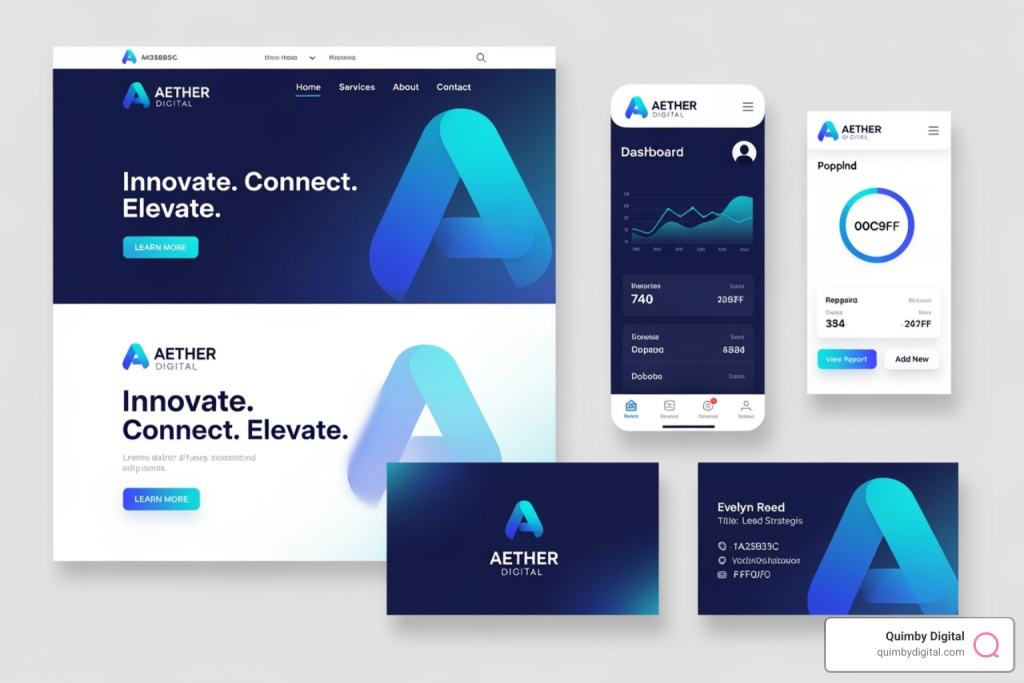
When you drive brand awareness through consistency, magic happens. Your audience starts recognizing you instantly, whether they stumble across your Instagram post, visit your website, or see your product on a shelf. This recognition builds trust faster than any sales pitch ever could.
The numbers don’t lie here. Brands that nail their consistent presentation see revenue increases of up to 33%. That’s not just a nice-to-have benefit – that’s serious business impact from simply keeping your brand “outfit” coordinated.
Your visual identity forms the backbone of this consistency. Your logo should look the same whether it’s tiny on a business card or huge on a billboard. Your fonts, your layout style, your imagery approach – they all need to sing the same song.
But here’s where it gets really interesting: color psychology plays a massive role in how people remember you. Colors can boost brand recognition by 80%, and get this – consumers are more likely to remember your company colors than your actual name. Wild, right?
Your tone of voice needs the same attention. Whether you’re writing an email, posting on social media, or creating a blog post, your brand should sound like the same person every time. Are you friendly and casual? Professional but approachable? Witty and irreverent? Whatever you choose, stick with it.
Brand messaging works hand-in-hand with your tone. Your key messages, your value propositions, even the way you describe what you do – these should feel familiar to your audience no matter where they encounter them.
The goal isn’t to be boring or repetitive. It’s to be reliably you. When someone sees your content in their feed, you want them to know it’s yours before they even see your logo. That’s when you know your consistency game is strong.
Step 3: Create and Distribute Valuable Content
Think of content as your brand’s way of having a conversation with the world. Instead of constantly shouting “buy our stuff!” you’re sitting down with your audience over coffee, sharing insights, solving problems, and maybe even making them laugh. This approach to drive brand awareness builds genuine relationships that last.
The magic happens when you shift from selling to serving. When someone searches for solutions to their problems and finds your helpful blog post instead of a sales pitch, you’ve just earned their trust. That’s the foundation of lasting brand awareness.
Blogging remains one of the most powerful tools in your content arsenal. Through strategic SEO, your articles become magnets for organic traffic. Write about the challenges your audience faces, share behind-the-scenes stories, or dive deep into industry trends. Each post is an opportunity to showcase your expertise while being genuinely helpful.
Educational resources like downloadable guides work beautifully for building authority. When someone downloads your free e-book or checklist, they’re not just getting value – they’re also saying “yes, I want to hear more from this brand.” It’s a win-win that positions you as the go-to expert in your field.
Video content deserves special attention because it’s incredibly engaging and shareable. From quick social media clips that capture attention in seconds to longer educational pieces that dive deep into topics, video lets your brand’s personality shine through.
Podcasting opens up entirely new audiences. With half of Americans aged 12-34 listening to podcasts regularly, this medium offers an intimate way to connect with your audience. Whether you’re interviewing industry experts or sharing your own insights, podcasts build loyal followings through authentic, long-form conversations.
Don’t overlook the power of infographics and visual content. Complex information becomes digestible and shareable when presented visually. Behind-the-scenes content humanizes your brand, showing the real people and processes that make your business tick.
Content Ideas for Brand Awareness:
- Step-by-step tutorials and how-to guides
- Industry trend reports and analysis
- Customer success stories and testimonials
- Behind-the-scenes glimpses of your team
- Expert Q&A sessions
- Thought leadership pieces on industry topics
- Data visualizations and infographics
- Quick, engaging video clips
- Podcast discussions on relevant themes
- User-generated content showcases
Creating great content is only half the battle – distribution amplifies your reach. Guest blogging on industry websites introduces your brand to established audiences. Make your content easy to share across social platforms. Encourage word-of-mouth marketing by creating content so valuable that people naturally want to pass it along.
The goal isn’t to create content that directly sells your products. Instead, focus on content that makes your audience’s lives better, smarter, or more enjoyable. When you consistently provide value, your brand becomes associated with positive experiences – and that’s how lasting awareness is built.
Step 4: Socialize and Build Your Community
Think of social media as your brand’s neighborhood coffee shop – it’s where real conversations happen, relationships form, and communities thrive. Social platforms aren’t just marketing channels; they’re where your brand gets to show its personality and connect with people on a human level.
Here’s the thing: people are spending over 2 hours daily on social media as of 2024. That’s where your audience is hanging out, sharing stories, and finding new brands. For wellness, CPG, and tech-forward brands especially, this presents an incredible opportunity to drive brand awareness through authentic community building.
But here’s what separates successful brands from those shouting into the void: engagement over promotion. Instead of constantly pushing your products, focus on being genuinely helpful and interesting. Share behind-the-scenes moments, celebrate your customers’ wins, and join conversations that matter to your audience.
User-generated content is pure gold for brand awareness. When your customers share photos using your products or tag you in their stories, that’s authentic endorsement money can’t buy. Encourage this by creating branded hashtags, running photo contests, or simply asking your community to share their experiences. These real customer moments build trust faster than any polished ad campaign.
Don’t forget about social listening either. Monitor what people are saying about your brand, your industry, and your competitors. Jump into relevant conversations where you can add value – not to sell, but to help. This positions your brand as a knowledgeable, caring member of the community.
The magic happens when you show up consistently and authentically. Respond to comments, ask thoughtful questions, and remember that behind every profile is a real person looking for connection. Building trust through social media isn’t about having the biggest following – it’s about creating genuine relationships that turn followers into brand advocates.
Step 5: Leverage Strategic Partnerships
You don’t have to drive brand awareness all by yourself! Think of strategic partnerships as finding your brand’s best friends – those like-minded businesses or individuals who share your values and audience but aren’t trying to steal your lunch money.
The beauty of partnerships lies in their mutual benefit. When you team up with the right collaborators, you’re not just expanding your reach – you’re borrowing their credibility and trust with their audience. It’s like getting a warm introduction at a networking event instead of awkwardly introducing yourself.
Co-marketing campaigns are where the magic really happens. Picture this: you and a complementary brand creating something amazing together – maybe a joint webinar, a shared content series, or a collaborative product launch. Both brands benefit from reaching fresh audiences who are already primed to trust recommendations from a brand they know and love.
Event partnerships offer another powerful avenue to connect with your ideal audience. Whether you’re sponsoring a local wellness festival or partnering with an industry conference, you’re associating your brand with positive experiences and community values. The numbers don’t lie here – strategic sponsorships can deliver impressive returns when done thoughtfully. Take mobile operator O2, whose entertainment sponsorship strategy significantly boosted brand preference and awareness while generating a 6X return on investment. Their successful sponsorship strategy shows how aligning with the right events can transform brand perception.
Guest features and collaborations create that valuable cross-pollination effect. When you contribute to someone else’s platform or invite industry experts to share their wisdom on yours, you’re building bridges between communities. It’s authentic relationship-building that benefits everyone involved.
The key is finding partners whose audiences naturally overlap with yours but who offer something different. This way, you’re introducing your brand to people who are already interested in what you have to offer, just through a trusted source they already know.
Step 6: Drive Brand Awareness with Smart Digital Campaigns
When we talk about digital campaigns to drive brand awareness, we’re focusing on making your brand known and loved, not just making a sale. This is where the art of the slow-burn comes in – nurturing your audience and building a genuine community around what you offer.
Think of brand awareness campaigns as planting seeds rather than harvesting crops. You’re building trust through multiple touchpoints, creating positive associations, and establishing your brand’s place in people’s minds. While these campaigns often naturally lead to increased sales and leads, that shouldn’t be your primary measuring stick.
A healthy portion of your marketing budget should go toward activities that aren’t directly tied to immediate sales. Many experts suggest a 60/40 split in favor of brand awareness, though the exact ratio depends on your business stage and industry. The key is recognizing that consumers can quickly tire of overly sales-heavy messaging.
Here’s how brand awareness campaigns differ from sales-driven efforts:
| Feature | Brand Awareness Campaigns | Sales-Driven Campaigns |
| Goal | Building long-term loyalty and trust, fostering brand recognition, creating positive associations, and building brand equity | Generating immediate conversions, leads, and sales transactions |
| Strategy | Building long-term relationships, trust, and fostering positive associations | Direct response tactics, clear calls-to-action, conversion optimization |
| Metrics | Reach, impressions, brand mentions, social sentiment, brand recall surveys | Click-through rates, conversion rates, cost per acquisition, return on ad spend |
| Content Focus | Educational, entertaining, brand storytelling, behind-the-scenes content | Product features, benefits, pricing, promotions, urgency-driven messaging |
| Timeline | Long-term investment with gradual results | Short-term focus with immediate measurable outcomes |
Prioritize long-term connection over short-term sales
Here’s a crucial insight: 95% of potential buyers aren’t ready to buy today. This is known as the 95/5 rule, and it changes everything about how you should approach digital campaigns. Your brand awareness efforts are nurturing that 95% so you’re top-of-mind when they are ready to convert.
Sales-obsessed messaging can actually repel audiences who aren’t in buying mode. Instead, brand awareness campaigns create a warm relationship over time. They build trust, establish expertise, and create emotional connections that pay dividends later.
Think about it – when someone finally needs your product or service, do you want them to remember you as the brand that constantly pushed sales messages? Or the one that consistently provided value, made them laugh, or helped solve their problems?
Use campaigns to amplify your brand’s personality
This is where creativity truly shines. Your campaigns should tell your brand’s story, showcase its unique personality, and create memorable experiences that stick with people long after they’ve scrolled past.
Creative storytelling is your secret weapon here. Think about the most memorable brand campaigns you’ve seen – they probably didn’t focus on product features. Instead, they used humor, emotion, or unexpected twists to create lasting impressions. Maybe they told a story that made you feel something, used a catchy slogan that got stuck in your head, or took a bold stance on something you cared about.
Memorable slogans and messaging can become part of popular culture. When done right, they transcend advertising and become part of how people communicate. Your goal is to create campaigns that people actually want to engage with and share.
Using humor effectively can be incredibly powerful for brand awareness. It makes your brand feel human and approachable. People remember brands that make them smile, and they’re much more likely to share funny content with their friends.
Being different and disruptive in a crowded market often works better for brand awareness than playing it safe. Take calculated risks with your messaging and creative approach. The campaigns that get talked about are rarely the ones that blend into the background.
Platforms like Amazon DSP allow you to reach customers higher up in the sales funnel with display ads across various devices. This is perfect for brand awareness because you can target based on shopping history and interests, introducing your brand to potential customers in a low-pressure, unobtrusive way. It’s about being present in their world without being pushy about it.
Brand awareness campaigns are a long-term investment in your business’s future. They build the foundation that makes all your other marketing efforts more effective.
Strengthen your message. Define a brand voice and content strategy, build authentic brand connections, and nurture brand loyalty.