

Master Facebook community management. Learn to build authentic connections, nurture engagement, and measure success for your brand online.
Facebook community management is the strategic process of building and nurturing your brand’s online community to foster authentic connections and drive business results. It’s about creating meaningful relationships, not just broadcasting messages.
Key components of effective Facebook community management:
- Engagement: Responding to comments, messages, and posts in real-time
- Content Strategy: Sharing valuable, relevant content that sparks conversation
- Moderation: Maintaining a positive, safe environment for all members
- Community Building: Fostering member-to-member connections and brand loyalty
- Crisis Management: Handling negative feedback and potential PR issues
- Analytics: Measuring engagement, sentiment, and community growth
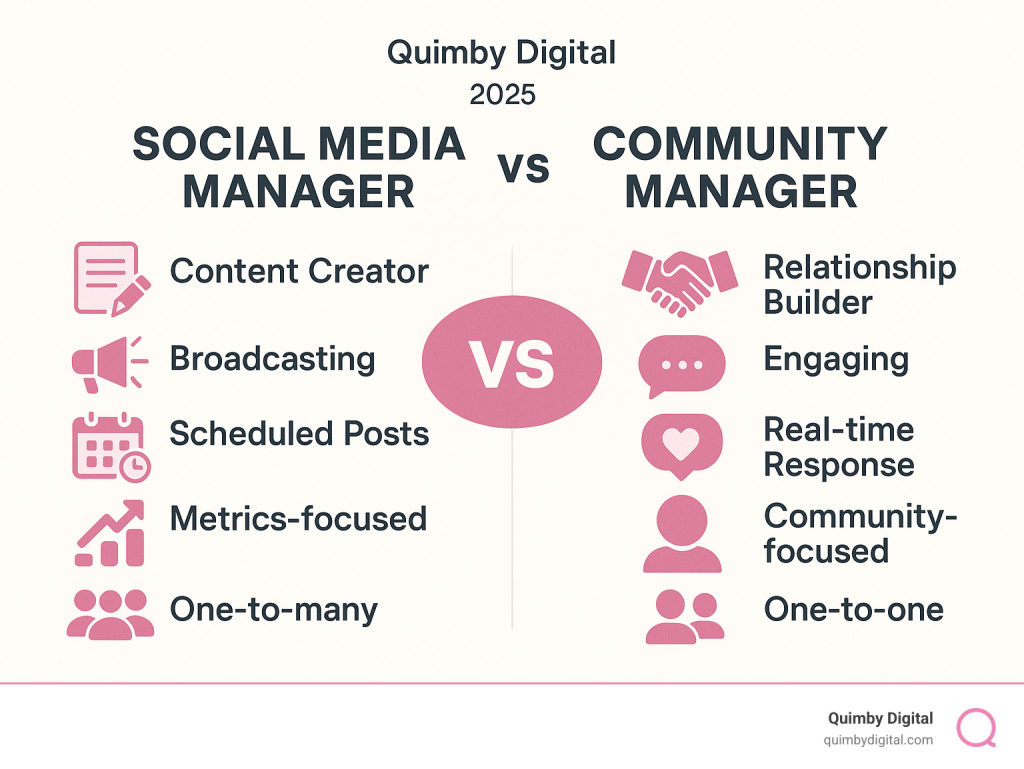
Unlike traditional social media management, which focuses on content schedules, community management dives deep into relationship building. Community managers are the human voice behind your brand, responding to comments, recognizing superfans, and turning followers into advocates.
Research shows that brand trust is heavily impacted by response speed and personalization on social media. This makes community management essential for modern brands, not just a nice-to-have.
For wellness, CPG, and tech companies especially, authentic community management can transform your Facebook presence from a simple marketing channel into a thriving ecosystem where customers become your biggest champions.
The Foundation: What is Community Management and Why It Matters
Think of Facebook community management as tending a garden, not running a billboard campaign. While traditional marketing broadcasts messages, community management nurtures individual relationships and creates spaces for genuine conversation.
At its heart, community management is building authentic connections between your brand and your audience. It’s the difference between shouting into the void and having meaningful conversations with people who care about what you do.
This approach matters because modern consumers crave authenticity. They want to feel connected to brands, not just marketed to. When done right, community management transforms casual followers into passionate advocates who will sing your praises without being asked.
The magic happens in those one-to-one interactions where a real person responds thoughtfully to a question or celebrates a success. It’s about building trust through consistent, genuine engagement—and trust is the foundation of lasting brand loyalty. If you want to dive deeper into this concept, check out our guide on How to Use Social Media to Build Trust With Your Audience.
The Importance for Modern Brands
Your Facebook community is the modern equivalent of a neighborhood coffee shop—a place where people come for the atmosphere and sense of belonging. This direct connection delivers real business results.
Improved customer service becomes natural when you meet people where they are. For example, Krungsri Bank saw its call center response time drop by 83% by being responsive on social media. Quick, helpful answers on Facebook are a win for everyone.
Your community is also an invaluable feedback loop. Every comment and question provides insights that can shape your product and content strategy. It’s like having a perpetual focus group.
Perhaps most powerfully, engaged members become your biggest advocates. When someone feels heard and valued, they don’t just buy from you—they recommend you to friends, share your content, and defend you from critics. This organic word-of-mouth marketing is pure gold.
Active community management also increases your visibility in ways paid ads can’t match. By joining conversations authentically and providing value, you naturally expand your reach.
Finally, community management humanizes your brand. Responding with humor or empathy shows that real people care about the customer experience. This human touch builds the emotional connection that turns customers into lifelong fans.
The Community Manager’s Core Responsibilities
A skilled community manager is the warm, knowledgeable face of your brand, making your community a welcoming place.
Fostering engagement and sparking conversation is their core daily work. They ask thoughtful questions, create themed posts, and jump into discussions with genuine enthusiasm.
Content curation and feedback keeps your brand relevant. Community managers are on the front lines, so they know what questions are common, what topics generate excitement, and what content falls flat. This insight is invaluable for your overall content strategy.
Moderation and rule enforcement ensures everyone feels safe. This means keeping discussions on track, removing spam, and addressing inappropriate behavior firmly but fairly. Great community managers create and enforce clear guidelines to build a culture of respectful dialogue.
Member support and issue resolution often makes them the first point of contact for questions or concerns. They must be part customer service rep, part brand ambassador, ready to help or connect people with the right resources.
Planning and executing community initiatives brings energy to your space. This could be hosting live Q&As, running contests, or organizing virtual events.
Finally, reporting and analysis helps prove the value of their work. They track engagement, monitor sentiment, and identify trends that inform bigger business decisions.

Blueprint for Success: Building Your Facebook Community Management Strategy
Building a thriving Facebook community requires thoughtful planning. At Quimby Digital, we know successful communities don’t happen by accident—they result from clear objectives and consistent nurturing.
Your strategic blueprint starts with understanding why your community exists and how it will grow. This means setting specific goals, knowing your audience, creating solid moderation strategies, and measuring what’s working. It’s the same approach we bring to our Organic & Paid Social Media Campaigns.
A well-planned strategy is your North Star, providing clear answers when you face tough decisions about content or member management.
Step 1: Define Your Community’s Purpose and Voice
Before you engage with your first member, get clear on two fundamentals: Why does your community exist? and How will it sound?
Setting meaningful goals is where it all begins. Your community strategy should connect to your business objectives, whether that’s boosting brand awareness, driving sales, improving customer support, or building loyalty. Translate these into specific, measurable targets. Instead of “we want more engagement,” aim for “increase our comment-to-post ratio by 15% over the next six months.”
Brand voice and tone consistency makes your community feel authentic. Your audience should recognize your responses without seeing your logo. Are you professionally helpful or playfully sarcastic? Whatever your voice, stick with it in every interaction. This is especially important when multiple team members manage the community.
Community guidelines are your secret weapon for a healthy, welcoming space. They are your community’s foundation, helping members understand what’s expected and what crosses the line. Pin them prominently so new members see them right away.

Step 2: Identify and Empower Your Community Manager
Your community’s success depends on the person managing it. A skilled community manager isn’t just someone who “does social media”—they are the heart of your online presence, turning followers into advocates.
What makes an exceptional community manager? Communication skills are key, but it’s more than good grammar. They are natural listeners who respond with genuine empathy, making each member feel heard.
Writing skills are crucial because every response represents your brand. They must adapt their tone seamlessly, from celebrating a success story to professionally addressing a complaint. Relationship building is where the magic happens, creating “wow” moments that turn customers into superfans.
Platform knowledge goes beyond posting. A great community manager understands Facebook’s algorithm and stays current with new features. Problem-solving skills are vital for tricky situations, from heated debates to customer complaints that gain traction. They must think fast and act diplomatically.
Finally, analytical thinking helps them spot trends, understand what content resonates, and prove the value of their work by translating data into actionable insights.
If you’re looking to strengthen these skills, Facebook offers excellent free training through its Blueprint platform, covering everything from basics to advanced strategies.
Step 3: Establish Clear Guidelines and Moderation Policies
With your purpose and leader in place, it’s time to create the framework for a smooth-running community. This is the infrastructure that lets authentic connections flourish.
Creating comprehensive rules provides clarity, not restriction. Your members shouldn’t have to guess what’s okay. Be specific: welcome product questions but ask that promotional posts stay in a designated thread. Encourage sharing wins but draw the line at selling to other members.
Spam prevention protects the community experience. Set clear boundaries around self-promotion and don’t hesitate to remove content that doesn’t add value.
Handling negativity and conflict is where your skills shine. Negative feedback is an opportunity to showcase your brand’s character. Respond quickly but thoughtfully, never defensively. Have a plan for when to move conversations to private messages, when to delete comments, and when to remove someone from the community.
Member onboarding sets the tone. A warm welcome and a clear introduction to the culture can turn a new follower into an active participant. Use Facebook’s features strategically: pin important posts like guidelines, create custom hashtags to organize conversations, and make it easy for members to find what they need.
Nurturing Engagement: Daily Best Practices for a Thriving Community
Building the foundation is just the beginning. The real magic of Facebook community management happens in the daily, consistent effort of nurturing engagement and making members feel connected. It’s about showing up every day with intention.
Think of it as daily care for a garden. Just as we refine our video content to maximize impact, the same dedication applies to community interaction. For tips on creating engaging visuals, check out 5 Ways for Brands to Create Effective Video Content.
Effective community management creates a content creation feedback loop, where community conversations directly inform your next piece of content. If your community manager hears the same question repeatedly, that’s your next blog post or video topic.
Best Practices for Effective Facebook Community Management
The most successful communities share common daily practices that keep members returning.
Active listening is the foundation. This isn’t just monitoring brand mentions; it’s understanding what your community cares about. Use social listening to tap into broader industry conversations. These insights are gold for creating content that resonates.
Leading by example means being the kind of member you want to attract. If you want thoughtful discussions, start them. Your energy sets the tone for everyone else.
Encouraging member-to-member interaction shifts the focus from your brand to the community itself. Ask questions that spark conversations between members and create themed days where experienced members can advise newcomers.
Rewarding your superfans doesn’t require a big budget. A simple shout-out or early access to new content can mean the world to someone championing your brand. A little recognition goes a long way.
Prepare for difficult questions by staying informed about industry trends, pain points, and criticism. Regular knowledge-sharing with your team ensures confident and empathetic responses.
Proactive engagement separates good community managers from great ones. Instead of waiting for people to come to you, seek out relevant conversations across Facebook. Join industry groups and comment thoughtfully to expand your community’s reach.
While flexibility is good, staying on topic ensures your community remains valuable. Gentle redirection usually works better than heavy-handed moderation.
Remember Oatly’s viral moment? They responded to criticism with humor, earning massive engagement and turning a potential PR problem into a community-building win. This shows the power of an authentic, human personality.

Protecting Your Brand and Handling Conflict
Facebook community management isn’t always positive. You’ll face angry customers, trolls, and crises that require careful navigation.
The key to responding to negativity is speed paired with thoughtfulness. Acknowledge concerns quickly, but don’t rush a defensive reply. A simple “Thanks for bringing this to our attention, let me look into it” buys you time while showing you care.
De-escalation techniques are your best friend. Validate the person’s feelings—”I can understand why this is frustrating”—before moving to solutions. Often, people just want to feel heard.
Having a crisis communication plan is about being prepared, not pessimistic. Know who makes decisions, have templates for common issues, and establish clear escalation paths.
Turning critics into fans is incredibly rewarding. We’ve seen angry customers become advocates because someone took the time to listen and make things right. These turnarounds often impress onlookers more than glowing reviews.
Maintaining a positive environment requires consistent, fair enforcement of your guidelines. When rules are clear and enforced, communities become comfortable spaces where valuable members thrive.
Tools and Measurement: Gauging the Health of Your Community
Even the most skilled community manager needs the right tools to succeed and a way to prove their value. At Quimby Digital, we know effective Facebook community management relies on both human touch and smart technology. You wouldn’t ask a chef to cook a five-course meal with only a butter knife.
The modern community manager juggles conversations, tracks sentiment, and responds quickly while maintaining brand voice. The right tech stack is a secret weapon. For brands with complex social strategies, having the right team structure is crucial—learn more about Your SaaS Social Media Team to see how different roles complement community management.
Essential Tools for the Modern Community Manager
Let’s talk about the tools that make community managers great.
Unified inboxes and social listening platforms are non-negotiable. They consolidate messages and mentions, offering visibility into fan activity and broader conversations. This allows managers to respond promptly and identify emerging trends or potential crises.
Content creation tools are also valuable. While community managers focus on engagement, they often need to create quick visuals. Image editing tools are lifesavers for creating screenshots or simple graphics on the fly.
Scheduling and analytics software balances automation and authenticity. Scheduling tools help manage recurring posts, while integrated analytics provide a centralized view of performance metrics.
Team collaboration platforms are essential as your community grows. They facilitate communication between community managers and other departments like product and marketing, ensuring community insights are shared and acted upon.
Finally, CRM integrations and link-in-bio tools complete the toolkit. Connecting community management to your CRM provides a holistic customer view for more personalized interactions. Link-in-bio tools drive traffic to relevant resources without cluttering posts.
Measuring Success and Proving ROI
How do you know if your Facebook community management is paying off? By tracking the right metrics and telling the story behind the numbers. Thoughtful measurement helps you refine your strategy and prove value to stakeholders.
Engagement rate goes beyond likes. It includes comments, shares, and reactions—the full spectrum of interaction. A high rate indicates your content is resonating with an active community.
Sentiment analysis measures the tone of interactions (positive, negative, neutral). This metric helps you gauge brand perception and identify potential issues before they escalate.
Response time is critical for brand trust. How quickly are you responding to inquiries and resolving issues? Faster, more personalized responses directly correlate with higher brand trust.
Active members and referral traffic show community health and business impact. Track active participants and member-generated posts to gauge if your community is thriving. Also, measure if your community drives traffic back to your website, proving that engagement translates into tangible outcomes.
Conversion rates may not always be a direct line from a comment to a purchase, but a strong community significantly influences the buyer’s journey. Finally, monitor brand mentions and reach to see how proactive engagement increases organic visibility.
For a comprehensive approach to tracking these metrics, check out our guide on 5 Metrics to Record for Social Growth.
By regularly analyzing these metrics, community managers can demonstrate their impact on brand visibility, reputation, customer relationships, and the bottom line. The key is connecting these numbers to business outcomes.
Conclusion
Building authentic communities is a long-term investment in your brand’s health and growth that pays lasting dividends. Think of it like tending a garden: you plant seeds with intention, nurture them with consistent care, and harvest the rewards of deeper customer relationships, increased loyalty, and genuine advocacy.
Effective Facebook community management transforms your brand presence. Instead of shouting with one-way marketing messages, you create a vibrant space for real conversations, where customers feel heard and your brand becomes part of their lives.
By implementing a clear strategy, empowering your community manager with the right skills and tools, and focusing on genuine connection over vanity metrics, you can turn your Facebook presence from a broadcast channel into a thriving ecosystem of loyal customers who become your biggest champions.
When brands commit to authentic community building, they see improved customer service, valuable product feedback, increased brand visibility, and the kind of trust that translates into lasting business relationships.
For wellness, CPG, and tech-forward brands ready to cultivate these meaningful connections, building an authentic online community might feel overwhelming—but you don’t have to do it alone. At Quimby Digital, we specialize in creating and nurturing these authentic online spaces, helping brands build communities that truly matter.Ready to transform your Facebook presence into a community that drives real business results? Explore our comprehensive social media services to learn how we can help you grow—authentically and strategically. Discover UGC tactics, learn from top influencer agencies, and deepen community engagement.