

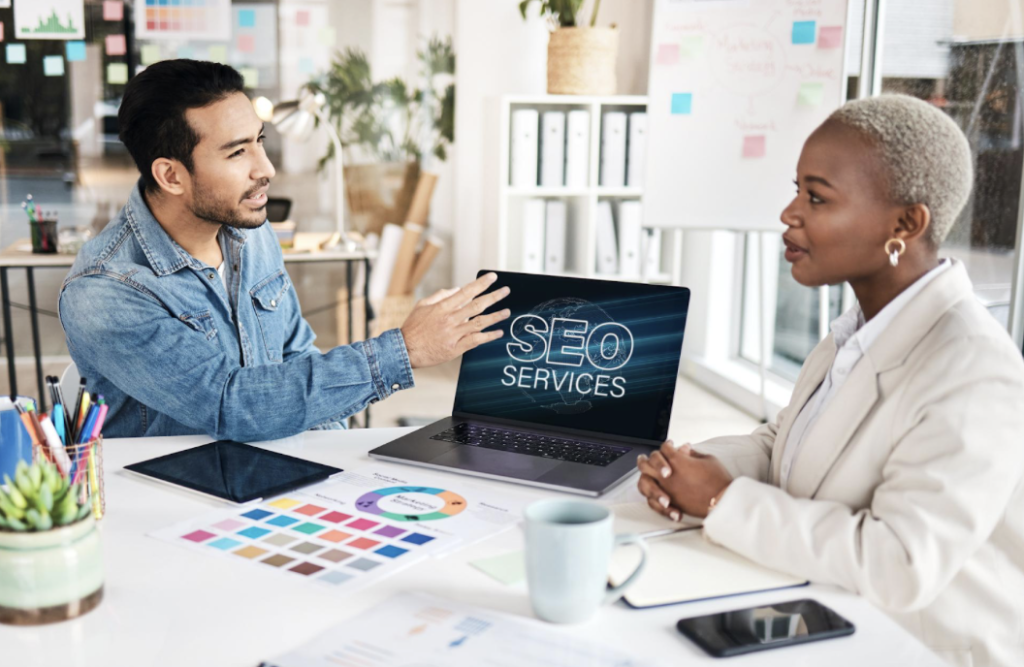
In today’s industrial economy, manufacturers face a rapidly evolving digital landscape. While the precision and efficiency of the manufacturing floor are second nature, achieving similar visibility and efficiency online requires a different set of tools. SEO for manufacturers is now a vital business growth strategy, bridging the gap between expertise and audience by propelling companies to the top of search results where decision-makers begin their vendor search. Without a robust SEO strategy, even the most innovative manufacturers risk losing out to competitors who’ve already embraced digital marketing.
What Is SEO for Manufacturers?
SEO for manufacturers—also referred to as manufacturing SEO or industrial SEO—is the specialized practice of optimizing websites to improve search visibility, drive web traffic, and convert B2B buyers into leads. Unlike general SEO, this approach is tailored to longer sales cycles, technical decision-makers such as engineers and procurement teams, and the nuanced terminology of industrial products and services.
Manufacturing SEO differs from traditional approaches in a few key ways. It requires deep familiarity with technical products, material specifications, certifications, and industry jargon. It must attract highly qualified B2B leads while supporting long research-driven buying cycles. And for many manufacturers who operate globally, international SEO—including multilingual websites and localized strategies—becomes essential for reaching international markets.
Why SEO Matters for the Manufacturing Industry in 2025
The way procurement teams and B2B buyers find suppliers has fundamentally changed. Today, nearly 70 percent of the research and shortlisting process happens online before a vendor is even contacted. Engineers, sourcing managers, and distributors all turn to Google and specialized search engines to evaluate capabilities, certifications, and product ranges. If a manufacturer isn’t visible at this stage, it risks not even being considered.
Industry leaders are already investing heavily in SEO. Those who prioritize manufacturing SEO are securing higher visibility, generating a steady stream of qualified leads, and building measurable ROI that compounds year over year.

On-Page SEO for Manufacturing Companies
Strong on-page SEO is the foundation for manufacturers aiming to reach buyers at various stages of their decision-making journey. Page titles, meta descriptions, and headings should be optimized with relevant manufacturing keywords such as “industrial SEO,” “manufacturer SEO,” or specific product descriptors. This ensures that search engines and users alike can immediately understand a company’s offering.
Equally important is content tailored to industrial buyers. Detailed product pages, process explanations, case studies, and whitepapers help build authority and demonstrate technical expertise. By naturally integrating terms like “SEO for manufacturing industry” or “industrial SEO agency,” companies position themselves to capture qualified search traffic while also educating their audience.
Technical improvements matter too. Fast-loading websites, responsive design, and a clear site structure all reduce friction for buyers while helping search engines crawl and rank pages effectively. Procurement professionals are often pressed for time, and a slow or confusing site can push them straight to a competitor.
Off-Page SEO for Manufacturers
Off-page SEO extends beyond the website itself and leverages authority, partnerships, and reputation. For manufacturers, backlinks from authoritative trade sites, industry associations, and B2B publications can dramatically increase credibility. Guest articles, thought leadership pieces, or partnerships with relevant directories such as ThomasNet signal to both users and search engines that a manufacturer is a trusted resource.
Local visibility is another key component. A well-optimized Google Business Profile ensures that manufacturers appear in local search results when potential partners look for services nearby. Directory listings further expand visibility, while also creating valuable backlinks to the main site.
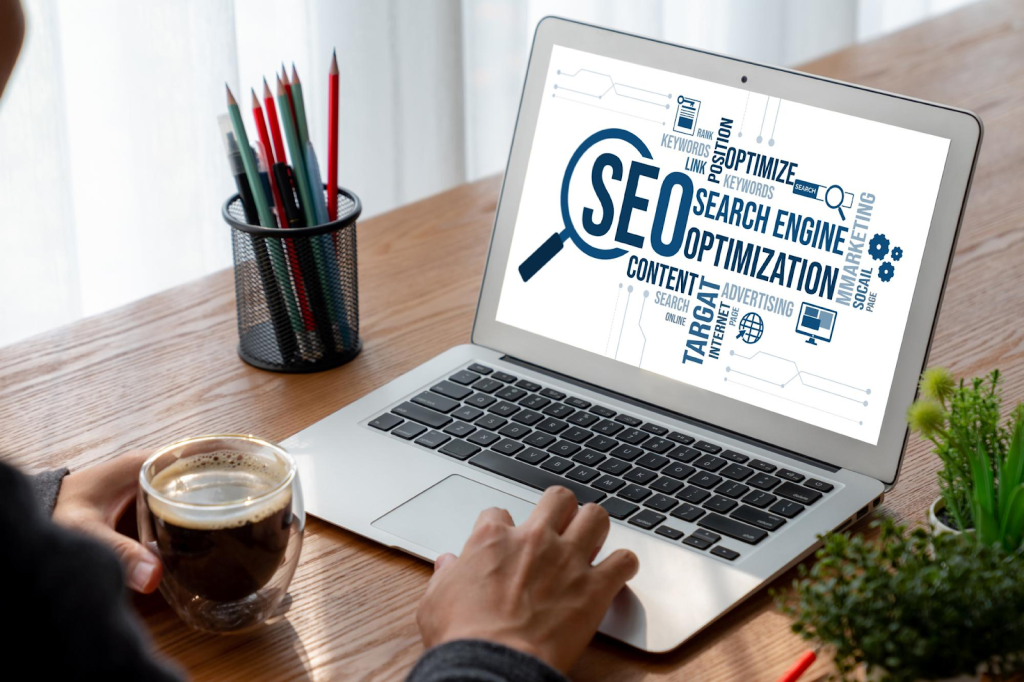
Managing online reputation rounds out the off-page strategy. Positive reviews and testimonials from satisfied clients help build trust with prospects. Responding to feedback, whether positive or negative, reinforces credibility and shows that the company values its partnerships.
Technical and Industrial SEO Strategies
Manufacturers with complex product lines and global customers must also focus on technical SEO. Adding schema markup to product and service pages provides search engines with clear context, enabling rich results that highlight details like specifications or reviews. Secure, fast-loading websites are now table stakes; any manufacturer with outdated infrastructure risks lower rankings and lost business.
International SEO deserves particular attention. Manufacturers often serve multiple regions, making localized keyword research, multilingual content, and culturally adapted campaigns essential. Simply translating a page isn’t enough—content must reflect how technical buyers in each market search and evaluate suppliers.
Business Impact: How SEO Benefits Manufacturers
The impact of a robust manufacturing SEO strategy is significant. Increased search visibility ensures that manufacturers appear at the exact moment engineers and procurement teams are researching new vendors. High-value keyword rankings generate impressions with the right audience, leading to a consistent flow of qualified leads.
These leads are often higher quality than those generated through traditional channels, since prospects actively searching for technical products are typically already in research or consideration mode. This improves close rates and shortens sales cycles. Importantly, SEO also levels the playing field. Smaller independent manufacturers can outrank much larger corporations by focusing on niche products, long-tail keywords, and locally relevant content.
Unlike trade shows or one-off ad campaigns, SEO offers compounding returns. A well-optimized case study, technical article, or product page can generate leads for years without additional investment, delivering long-term ROI and sustained growth.
The Boutique Agency Advantage
Many manufacturers attempt SEO internally or through large, generic agencies, only to find limited success. The reason is simple: manufacturing SEO requires both technical understanding and a tailored strategy. Large agencies often apply cookie-cutter solutions that miss the nuances of industrial buyer intent, resulting in wasted budgets and low-value traffic.
Partnering with a boutique, senior-led agency changes the outcome. At Quimby Digital, our specialists immerse themselves in your product lines, certifications, and industry verticals to develop strategies that resonate with the right buyers. We prioritize ROI-driven tactics over vanity metrics, ensuring measurable results. Our smaller, agile team adapts quickly to search algorithm updates and evolving market dynamics, giving manufacturers a competitive edge.

Conclusion
SEO for manufacturers in 2025 is no longer optional—it’s a critical driver of visibility, lead generation, and long-term revenue growth. As procurement behavior continues to shift online, manufacturers who fail to prioritize SEO will fall behind competitors who embrace digital-first strategies.
The most successful companies will combine technical SEO, authoritative content, and targeted outreach to connect with engineers, procurement teams, and decision-makers when it matters most. For manufacturers ready to compete and grow in this digital-first era, the path forward is clear: invest in a strategy that aligns with your industry, your buyers, and your growth goals.
Quimby Digital’s senior-led approach ensures that every SEO initiative is grounded in technical expertise and designed for measurable impact. If you’re ready to boost your visibility and capture qualified leads, it’s time to explore how we can help you achieve digital leadership in 2025 and beyond.
Quimby Digital also offers social media marketing services for companies across the United States and Canada, tailoring strategy, content, and paid social to your market, time zone, and growth goals—including expert programs in: