

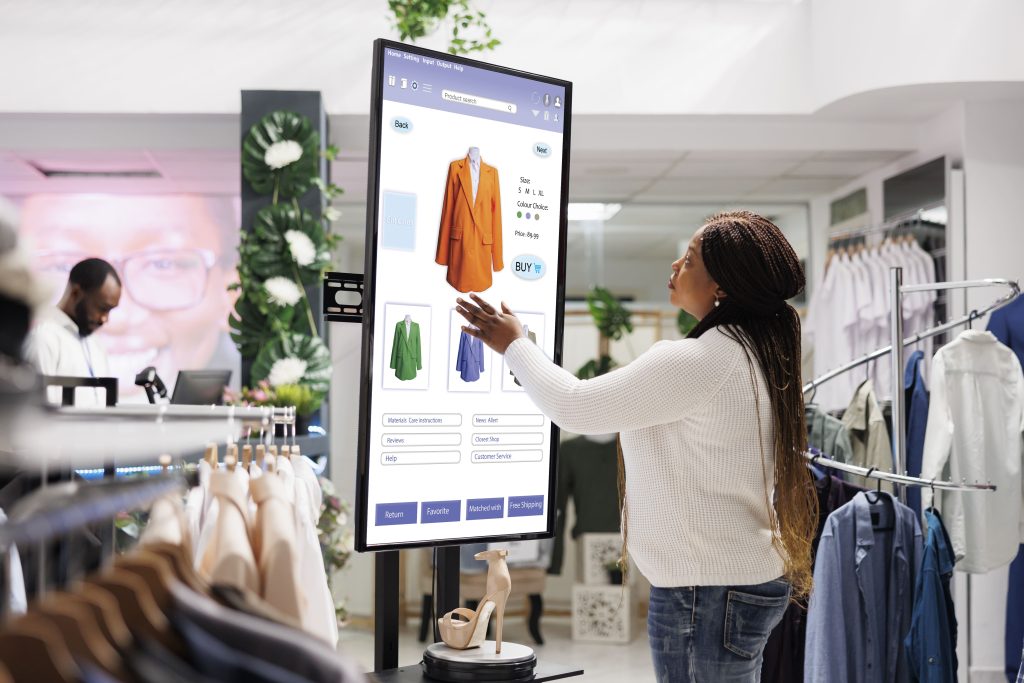
In the rapidly evolving landscape of digital marketing, programmatic display advertising and traditional display ads give marketers two powerful yet distinct ways to reach and engage audiences. As 2025 unfolds, understanding the difference between programmatic and display advertising is essential for marketing leaders, startup founders, and growth teams committed to maximizing ROI.
Introduction: Why This Distinction Matters for Marketers Today
Digital ad budgets are under tighter scrutiny than ever. Leadership teams expect measurable outcomes from every dollar spent. In 2025, marketers operate in an ecosystem shaped by automation, AI-driven decisioning, privacy-first data models, and omnichannel engagement—from dynamic web banners to connected TV and digital out-of-home screens.
With over 90% of global digital display spend now purchased programmatically, the line between traditional display ads and automated programmatic buying has blurred. Yet understanding where these two strategies diverge remains crucial for brands seeking both creative control and performance at scale.
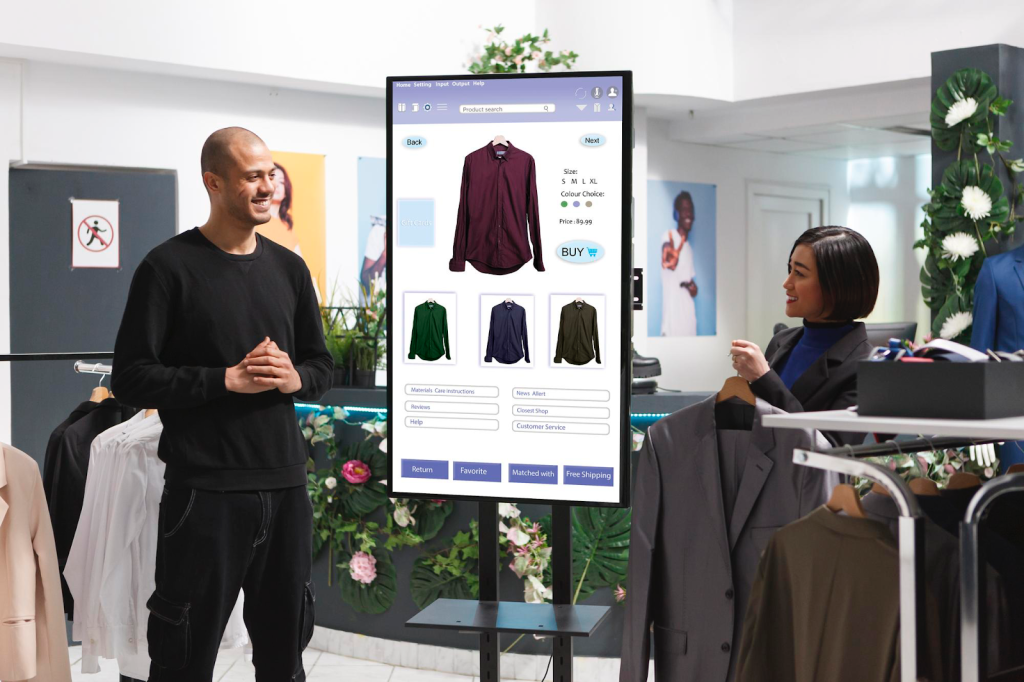
What Is Display Advertising?
Display advertising refers to visually engaging digital ads—banners, videos, images, and interactive units—placed across websites, mobile apps, and social platforms to build awareness or drive conversions. Common display formats include:
- Banner ads (standard rectangular or square units across web pages)
- Video ads (in-banner, pre-roll, or outstream)
- Native ads (ads designed to match the surrounding content)
- Rich media ads (interactive or animated elements)
Advertisers typically purchase display inventory in two ways:
- Direct Buys: Negotiated placements directly with publishers for guaranteed impressions or premium visibility.
- Ad Networks: Platforms like Google Display Network that aggregate ad inventory across thousands of sites.
Example:
An eCommerce brand launching a new product might use visually striking banners across lifestyle and fashion websites via the Google Display Network to build broad awareness at a predictable cost.
What Is Programmatic Advertising?
Programmatic advertising uses automation and algorithms to buy, place, and optimize digital ads across channels such as display, video, mobile, audio, and connected TV. Instead of manual negotiations, programmatic platforms use software—specifically, demand-side platforms (DSPs)—to purchase inventory in real time.
Here’s how the process works:
- The advertiser sets targeting criteria, goals, and budget within a DSP.
- When a user loads a web page or app, the available ad space triggers an auction in milliseconds.
- Algorithms evaluate audience data, context, and past behavior to determine the best match and bid.
- The highest bid wins, and the ad is displayed instantly—optimized to reach the right person at the right time.
Example:
A SaaS brand targeting finance leaders might use programmatic display advertising to reach audiences across top business and technology publications. With cross-device targeting and dynamic creative, ads adjust based on user behavior, producing more relevant impressions and higher conversion rates.
Programmatic vs Display: Key Differences and Where They Overlap
| Aspect | Display Advertising | Programmatic Advertising |
| Buying Method | Direct or via ad networks | Automated via DSPs or real-time bidding |
| Targeting | Contextual or site-level | Audience-based, data-driven, cross-device |
| Pricing | Fixed or pre-agreed CPM | Dynamic, real-time auctions |
| Control | Manual placements and approvals | Automated optimization and bidding |
| Data Use | Limited audience insights | Deep integration of first-party and behavioral data |
| Efficiency | Time-intensive | Highly automated and scalable |
| Formats | Banner, video, rich media | All display formats plus dynamic creative optimization |
Overlap:
Programmatic and display advertising often intersect. Many programmatic ads are display ads—only the buying mechanism differs. The creative format remains the same, but programmatic technology powers how and when they appear.
Key Difference:
Display focuses on direct buys and brand control, while programmatic emphasizes automation, precision targeting, and real-time adaptability.
Advantages of Programmatic Advertising
Programmatic digital advertising dominates modern media planning because of its efficiency, scale, and precision.
1. Efficiency and Automation
Automation streamlines campaign setup, bidding, and optimization—freeing teams from repetitive manual processes.
2. Advanced Targeting
Programmatic leverages behavioral, demographic, and contextual data for highly refined audience segmentation, helping brands connect with users most likely to convert.
3. Real-Time Optimization
AI systems automatically adjust placements and budgets based on live data, ensuring spend efficiency and higher ROI.
4. Transparency and Fraud Reduction
Supply-path optimization (SPO) and real-time reporting let marketers see exactly where their ads appear, improving brand safety and accountability.
5. Multi-Channel Scalability
Programmatic technology integrates seamlessly across display, video, CTV, mobile, and digital audio—enabling unified campaigns from a single dashboard.
Case Example:
A global apparel retailer used programmatic display and dynamic creative optimization to deliver 12,000 personalized ad variations. Engagement rose 47%, and cost per acquisition dropped 17% compared to manually managed display campaigns.
Advantages of Display Ads
Traditional display advertising continues to play a vital role in digital strategies, particularly for brand storytelling and visibility.
1. Broad Reach and Awareness
Display ads deliver massive reach, helping brands boost top-of-funnel recognition and recall.
2. Visual Creativity
With flexible ad formats—banners, videos, takeovers—brands can communicate emotion and identity through compelling design.
3. Predictable Costs
Fixed CPM and CPC models make budgeting straightforward and stable, ideal for campaigns with set timelines.
4. Brand Safety and Contextual Relevance
Direct deals ensure ads appear in curated, brand-safe environments, particularly valuable for sensitive industries like healthcare or finance.
Example:
A beverage brand uses a homepage takeover on a major lifestyle site to debut a new product line. The controlled, creative-heavy environment maximizes impact and brand prestige.
How Both Work Together in a Hybrid Strategy
The most effective marketers combine both methods. A hybrid approach uses display advertising for storytelling and awareness, and programmatic automation for precision targeting and ongoing optimization.
Example Hybrid Workflow:
- Step 1: Launch a visually rich display campaign on curated publisher sites to introduce a new product.
- Step 2: Activate programmatic campaigns to retarget users who engaged with those ads or visited your landing page.
Step 3: Use dynamic creative optimization to serve personalized messages as users move through the funnel.
This full-funnel approach blends the creative control of display with the data-driven performance of programmatic.
Real-World Example:
A travel brand secures a direct homepage feature on a major publisher to promote a summer campaign, then activates programmatic retargeting to reach users browsing travel deals, tailoring messaging by destination and seasonality.
When to Use Programmatic vs When to Use Display
| Scenario | Best Fit | Why |
| Brand launch or awareness | Display | Guarantees visibility and creative control |
| Performance marketing or retargeting | Programmatic | Uses behavioral data for high-intent targeting |
| Fixed budgets and timelines | Display | Predictable spend and placement |
| Always-on optimization | Programmatic | Automated bidding and learning improve ROI |
| Sensitive industry or message | Display | Ensures context and brand alignment |
For top-of-funnel reach, traditional display advertising remains effective. For measurable conversions and full-funnel continuity, programmatic delivers unparalleled performance and flexibility.
Measuring ROI and Optimizing for Growth
True digital advertising success depends on rigorous measurement across both models.
Key Performance Metrics:
- CTR and CPC: Indicate relevance and engagement.
- Conversion Rate: Tracks post-click performance.
- Cost per Acquisition (CPA): Measures paid efficiency.
- ROAS (Return on Ad Spend): Quantifies bottom-line results.
- Attention Metrics: Time-in-view and interaction rates reveal true brand impact.
Optimization Tactics:
- Integrate first-party data for smarter retargeting.
- Test creatives regularly through A/B and multivariate testing.
- Employ frequency caps to prevent ad fatigue.
- Use geo-testing or holdout groups to measure incremental lift.
- Pair Google Analytics 4 with your DSP dashboard for unified reporting.
Programmatic’s biggest advantage lies in its ability to adapt in real time. Continuous optimization ensures every impression contributes to campaign growth.
Common Mistakes to Avoid
- Relying on automation without oversight.
- Using identical creative across audiences.
- Neglecting negative targeting or placement exclusions.
- Ignoring first-party data integration opportunities.
- Measuring only clicks instead of business impact.
Success with both programmatic and display depends on balancing automation with creativity, and data with human insight.

The Future of Data-Driven Ad Buying
In 2025, the conversation isn’t “programmatic vs display”—it’s how to use both in tandem. AI-powered automation, privacy-safe targeting, and omnichannel consistency define the next generation of digital media.
Programmatic display advertising isn’t replacing traditional display—it’s enhancing it. By uniting human creativity with machine precision, brands can tell richer stories, reach better audiences, and make every dollar accountable.
Ready to evolve your paid media strategy?
Partner with Quimby Digital — a senior-led agency specializing in data-driven programmatic, creative display, and full-funnel advertising strategies designed for measurable growth.
Learn how strategic advertising blends with storytelling in our B2B marketing guide and explore our social media strategy insights.
For more industry guidance, visit Think with Google and the IAB Programmatic Advertising Hub.
Quimby Digital also offers social media marketing services for companies across the United States and Canada, tailoring strategy, content, and paid social to your market, time zone, and growth goals—including expert programs in: