


Social media innovation is reshaping how brands connect with audiences through AI-powered personalization, immersive AR experiences, and community-driven platforms that prioritize authentic engagement over passive consumption.
Key Social Media Innovations Driving Change:
- AI-Powered Features: Chatbots, content personalization, and automated customer service
- Immersive Experiences: AR filters, virtual try-ons, and interactive shopping
- Social Commerce: Shoppable posts, live shopping events, and in-app checkout
- Community Building: Private groups, broadcast channels, and user-generated content
- Social Search: Platforms functioning as search engines for younger demographics
- Decentralized Platforms: Blockchain-based networks prioritizing data ownership and privacy
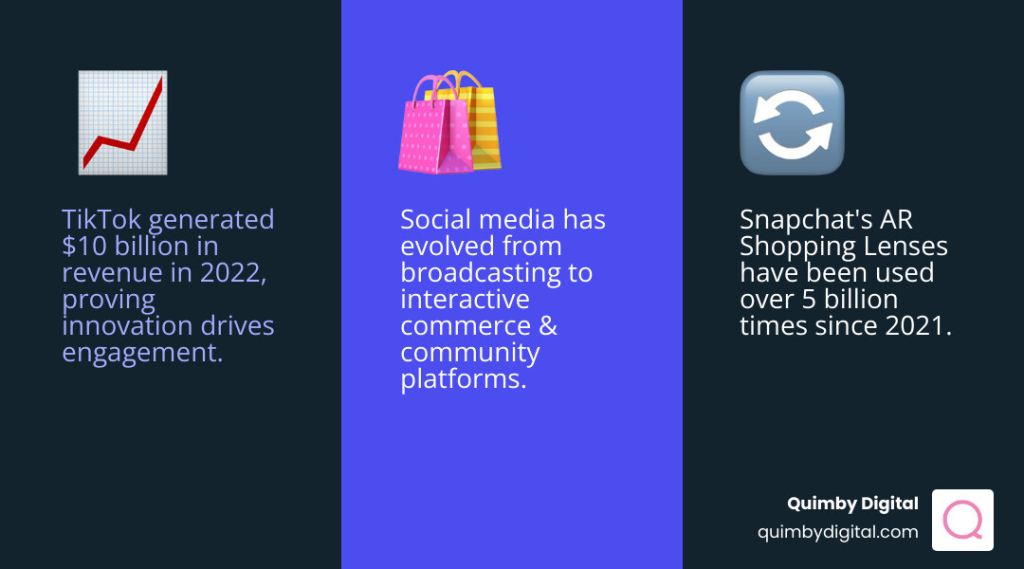
The days of mindless scrolling are ending. Today’s social media users expect interactive, personalized experiences that provide real value. TikTok generated $10 billion in revenue in 2022, while Snapchat’s AR Shopping Lenses have been used over 5 billion times since 2021 – proving that innovation directly drives engagement and revenue.
For wellness, CPG, and tech brands, these innovations represent both opportunity and challenge. The brands that accept AI-driven personalization, immersive AR campaigns, and authentic community building will thrive. Those that don’t risk becoming invisible in an increasingly crowded digital landscape.
The shift is clear: social media has evolved from a broadcasting tool to an interactive commerce and community platform. Users now find products, make purchases, and build relationships entirely within social apps.
The Tech Revolution: How AI and Immersive Media are Reshaping the Digital Landscape
The social media innovation landscape is being completely transformed by two game-changing technologies: artificial intelligence and augmented reality. These aren’t just fancy tech terms – they’re actively reshaping how we connect, shop, and find content every single day.
AI is the invisible force making your social media experience feel almost magical. You know that moment when the perfect video appears on your feed, or when you find exactly the product you’ve been thinking about? That’s AI working behind the scenes, learning your preferences and crafting a personalized experience just for you.
The power of AI extends far beyond recommendations. In fact, AI and machine learning are changing social media by enabling brands to create content that truly resonates with their audiences. Generative AI can transform a single piece of long-form content into dozens of platform-specific posts, each custom to different audiences and channels.
At Quimby Digital, we’ve seen how AI-powered content creation tools can revolutionize content strategy. Our solutions help wellness and tech brands automate content creation while maintaining that authentic voice their communities love. It’s like having a creative assistant that never sleeps and always knows exactly what your audience wants to see.
Customer service is getting smarter too. AI chatbots now handle customer inquiries 24/7, providing instant responses that actually feel helpful rather than robotic. Imagine reaching out to a brand at midnight with a question and getting a thoughtful, accurate response immediately – that’s the new standard AI is setting.
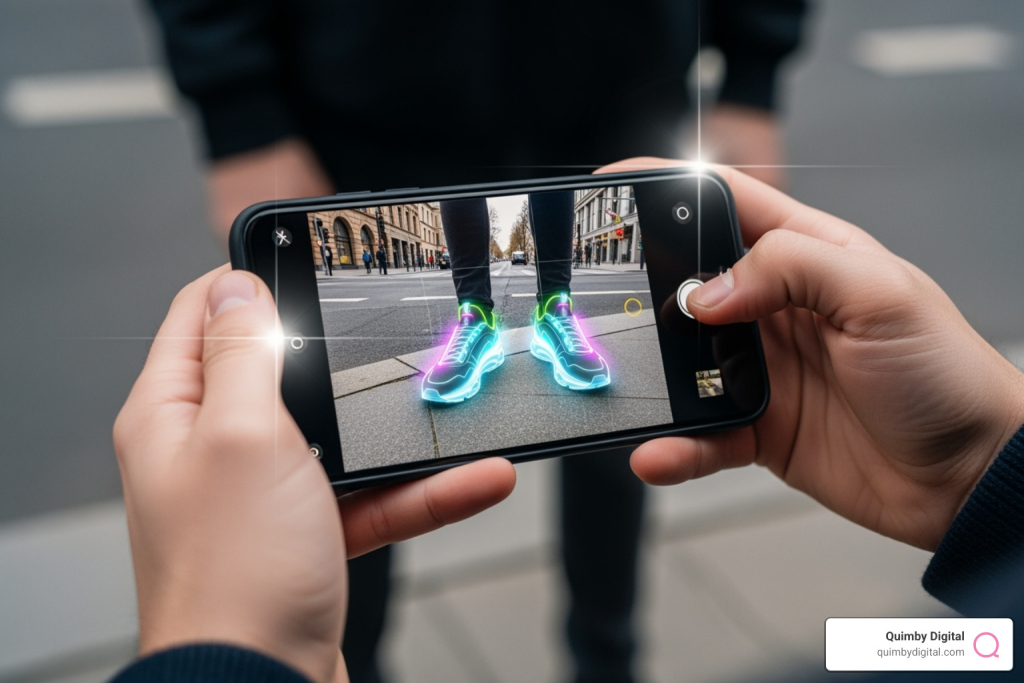
Then there’s augmented reality, which is making shopping feel like science fiction come to life. Snapchat’s AR Shopping Lenses have been used over 5 billion times because they solve a real problem: the uncertainty of online shopping. Whether you’re trying on virtual makeup, seeing how furniture looks in your living room, or testing out those sneakers you’ve been eyeing, AR bridges the gap between digital and physical shopping.
AI-powered digital personas are opening entirely new possibilities for brand storytelling. Virtual influencers are partnering with major brands, offering creative freedom that traditional partnerships can’t match. We’ve explored virtual influencer campaigns at Quimby Digital, and the results show how these digital personalities can bring fresh perspectives to brand narratives while connecting authentically with audiences.
The Rise of Social Search
Something fascinating is happening with how people search for information. Gen Z and millennials are increasingly turning to TikTok, Instagram, and other social platforms instead of traditional search engines when they need answers. Whether they’re looking for restaurant recommendations, product reviews, or tutorials, social platforms have become their preferred search engines. Understanding the social search revolution reveals that nearly 40% of young people start their searches on TikTok or Instagram instead of Google.
This shift represents a fundamental change in how people find information. People want information that feels authentic, visual, and comes from real users rather than corporate websites.
For brands, this means rethinking SEO entirely. Traditional search optimization isn’t enough anymore. Your content needs to be findable where your audience is actually searching. This involves optimizing captions, using strategic hashtags, and creating content that answers the questions your audience is asking on social platforms.
We help our clients steer this new landscape through Social Media Marketing SEO Hacks: Amplify Brand Presence. It’s about ensuring your brand shows up in the right conversations at the right moments, whether someone’s searching for wellness tips on TikTok or tech solutions on Reddit.
The Ethical Frontier of Social Media Innovation
With all this technological advancement comes serious responsibility. Data privacy has become a major concern as users become more aware of how their personal information is collected, used, and shared across platforms. The ongoing discussions around data sovereignty highlight how important it is for platforms to handle user data transparently and securely.
Misinformation and deepfakes present growing challenges. As AI becomes more sophisticated, it’s becoming harder for users to distinguish between authentic content and manipulated media. This puts pressure on both platforms and content creators to maintain integrity and transparency.
AI bias is another critical issue. When algorithms perpetuate societal inequalities through biased recommendations or ad targeting, the impact extends far beyond social media into real-world consequences. Responsible AI development isn’t just a nice-to-have – it’s essential for maintaining trust and ensuring these powerful tools benefit everyone.
The societal impact of these innovations requires thoughtful consideration. Platforms are beginning to address these challenges with tools designed to improve AI accuracy and reduce harmful content, but the work is far from over.
At Quimby Digital, we believe in building trust with your audience through transparent and ethical practices. As we help brands steer these new technologies, we always prioritize authentic engagement and responsible use of AI tools. After all, innovation is only valuable when it serves people authentically and ethically.
From Likes to Loyalty: Building Communities and Driving Commerce
Something incredible is happening in social media innovation. We’re watching platforms evolve from simple “like” collectors into powerful engines that build genuine loyalty and drive real sales. It’s not just about getting eyeballs anymore – it’s about creating connections that convert.
Social commerce integration has completely changed the game. Think about it: you’re scrolling through Instagram, spot a gorgeous skincare set, and boom – you can buy it without ever leaving the app. Shoppable posts and in-app checkout have made this seamless experience possible. No more jumping between tabs, no more abandoned carts because the checkout process was too complicated.
Live shopping events take this even further. Picture your favorite wellness brand hosting a live session where they demo products, answer questions in real-time, and offer exclusive deals. It’s like having a personal shopping experience from your couch! At Quimby E-commerce, we help brands create these interactive shopping moments that turn browsers into buyers.
Conversational marketing is where the magic really happens. When someone slides into your DMs with a question about your product, that’s prime real-time engagement territory. AI-powered customer service through direct messages means your audience gets instant answers, even at midnight. But it goes deeper than automated responses – it’s about building genuine connections.
Community chat features and broadcast channels are creating new spaces for brands to nurture their audiences. Instagram’s broadcast channels let brands send direct updates to followers who opt in, creating that VIP feeling. It’s like having a backstage pass to your favorite brand’s world.
Building Brand Communities That Thrive
The brands winning today aren’t just selling products – they’re building movements. They’re creating digital spaces where people don’t just buy; they belong.

Take Patagonia’s approach. With over 5.4 million Instagram followers, they could easily just showcase their latest jackets and hiking boots. Instead, they share environmental activism stories and sustainability wins. Their audience doesn’t just want outdoor gear – they want to be part of something bigger. That’s value-driven content that creates emotional investment.
User-generated content is the secret sauce of thriving brand communities. When real customers share their authentic experiences, it carries weight that no polished ad ever could. The power of user-generated content lies in its genuine nature – people trust other people more than they trust brands.
We’ve seen this magic happen with our own clients. When wellness brands encourage customers to share their change stories or when tech companies showcase real users solving problems with their products, it creates a ripple effect. One authentic post can inspire dozens of others, building a community of brand advocates who genuinely love what you do.
The beauty of this approach is that it turns your customers into your marketing team – not because you’re paying them, but because they genuinely want to share their positive experiences. That’s the kind of loyalty that builds trust with your audience and keeps them coming back for more.
The Future of Social Media Innovation: Startups, Decentralization, and Data
The future of social media innovation is being written by three powerful forces: scrappy startups that aren’t afraid to break things, decentralized platforms that promise to give power back to users, and the treasure trove of data that helps us understand what people actually want.
Let’s talk about startups first. While big tech companies move like cruise ships – slowly and carefully – startups zip around like speedboats. They’re the ones willing to experiment with weird new features, target super-specific niches, and pivot when something doesn’t work. Why startups are driving innovation becomes clear when you see how quickly they can adapt to what users actually want, rather than what a boardroom thinks they should want.
This agility means startups often set the trends that everyone else follows later. They’re not worried about disrupting their existing user base because, well, they’re still building it! It’s like being the cool kid who starts wearing something different, and suddenly everyone wants to copy the look.
Decentralized platforms are where things get really interesting. Built on blockchain technology, these platforms flip the script on data ownership and privacy. Instead of one company controlling everything, these networks spread across many computers, giving users more control over their own information.
Think of platforms like Mastodon, where no single entity can decide what you see or how your data gets used. It’s appealing, especially as people become more aware of privacy concerns. But let’s be honest – these platforms face real challenges. Getting people to switch from familiar apps is tough, content moderation becomes complex without central authority, and figuring out how to make money is still a work in progress.
The real magic happens when we dig into social media analytics. This isn’t just about counting likes and shares – it’s about understanding the deeper patterns of human behavior online.

By analyzing social conversations, we can spot emerging trends before they explode, identify gaps in the market, and understand what makes communities tick. Smart brands use this data to find unmet needs and identify white space opportunities.
At Quimby Digital, we’re constantly monitoring these patterns to help our wellness, CPG, and tech brands stay ahead of the curve. When we track 5 Metrics to Record for Social Growth, we’re not just measuring success – we’re predicting what comes next.
Consumer behavior insights from social media are like having a crystal ball. When people complain about a product on Reddit, praise a service on TikTok, or ask questions in Instagram comments, they’re giving us direct feedback about what they need. Smart brands listen to these conversations and use them to improve existing products or create entirely new ones.
How can a small business leverage social media innovation?
Here’s the good news for small businesses: you don’t need a massive budget to play with the cool new toys. In fact, being small can be your superpower.
Focus on niche platforms where your ideal customers actually hang out. While everyone’s fighting for attention on the big platforms, there are smaller communities where your voice can really be heard. So Many Platforms, So Little Time reminds us that it’s better to be amazing on two platforms than mediocre on ten.
Use accessible tools that are already available. Instagram’s AR filters don’t require a tech degree to create engaging product showcases. AI-powered content creation tools can help you brainstorm post ideas or even write captions when you’re stuck staring at a blank screen at 11 PM.
Community building in DMs is where small businesses can really shine. Those Instagram broadcast channels we mentioned earlier? They’re perfect for creating that intimate, exclusive feeling that big brands struggle to achieve. It’s like having a VIP section for your most loyal customers.
The key is to start small and test what works for your specific audience. Digital marketing is forgiving – if something doesn’t work, you can try something else tomorrow. Your agility as a small business means you can adapt faster than the big players, and that’s a huge advantage in this rapidly changing landscape.
Top Innovations for Brands to Adopt in 2025
Looking ahead to 2025, certain social media innovation trends are emerging as game-changers for brands that want to stay relevant and build deeper connections with their audiences. These aren’t just shiny new toys – they represent real shifts in how people want to interact with brands online.
Hyper-personalization with AI is moving way beyond the basic “customers who bought this also bought that” approach. We’re talking about AI that creates content that feels like it was written just for you, suggests products based on your actual lifestyle, and even adjusts customer service responses to match your communication style. It’s like having a personal shopping assistant who actually knows you.
Advanced social commerce integration is making shopping feel less like shopping and more like finding. Imagine watching a TikTok video and being able to buy the creator’s entire outfit with a few taps, or joining a live shopping event where you can ask questions in real-time and get exclusive deals. The line between entertainment and commerce is disappearing completely.
Immersive AR campaigns are evolving from fun filters to genuinely useful experiences. Instead of just adding bunny ears to your selfie, you’ll be able to see exactly how that new couch looks in your living room or test drive a car from your driveway. These aren’t gimmicks anymore – they’re solving real problems for customers who want to feel confident before they buy.
Community-as-a-service models recognize that people crave connection and belonging. Brands that build thriving communities around shared values and interests – like Peloton’s supportive fitness groups – turn customers into passionate advocates. It’s about creating spaces where people genuinely want to spend time, not just places to push products.
Ethical AI and data transparency might not sound exciting, but it’s becoming a competitive advantage. Users are getting smarter about their data, and brands that are upfront about how they use AI and protect privacy are building serious trust. It’s about being the brand people feel good about supporting.
The brands that thrive in 2025 will be the ones that see these innovations not as separate tactics, but as connected ways to create more meaningful, helpful, and human experiences online. After all, preparing for platform changes has always been about staying close to what your audience actually wants.
Frequently Asked Questions
What is an example of social innovation in marketing?
One of the most exciting examples of social media innovation in marketing is how brands are using AI-powered chatbots to transform customer service. Instead of waiting hours for a response, customers can get instant help through direct messages on platforms like Instagram and Facebook. It’s like having a friendly store associate available 24/7!
Another brilliant example is virtual try-on features using augmented reality. Beauty brands now let you test lipstick shades or eyeshadow colors right from your phone camera, while furniture companies help you visualize how that new couch will look in your living room. These AR experiences don’t just wow customers – they actually solve real problems and make shopping decisions easier.
What makes these innovations so powerful is how they streamline the entire buying process within social platforms. Customers can find, try, and purchase products without ever leaving their favorite app. It’s convenience and engagement rolled into one.
How is social media used for innovation beyond marketing?
Social media innovation reaches far beyond traditional marketing, touching everything from product development to civic engagement. Companies are getting incredibly smart about using social listening for market research, monitoring conversations to spot trends, identify pain points, and even crowdsource new product ideas directly from their communities.
One fascinating example comes from a small Spanish town called Jun, which uses Twitter as its primary communication tool between citizens and government. Residents can report issues like broken street lamps and get swift responses directly from officials. It’s a perfect example of how social platforms can improve transparency and make government more responsive to people’s needs.
In the business world, social media has revolutionized recruitment and employer branding. Companies showcase their culture through behind-the-scenes content, attracting talent who already feel connected to their values. Internal teams use social platforms for collaboration and knowledge sharing, creating stronger workplace communities.
The beauty of social media is how it breaks down traditional barriers, enabling direct feedback loops between organizations and the people they serve.
What are the main challenges of decentralized social media?
While decentralized social media platforms promise exciting benefits like privacy and user control, they face some real problems that make widespread adoption challenging. The biggest obstacle is simply getting people to switch. It’s hard to convince users to leave platforms where all their friends, family, and favorite creators already hang out.
Content moderation becomes incredibly complex without a central authority. Who decides what content is harmful? How do you prevent spam or misinformation from spreading? These platforms often struggle to maintain the quality and safety standards users expect.
Technical challenges also play a role. Many decentralized networks face scalability issues and can’t always provide the smooth, polished user experience we’re used to from mainstream platforms. When your app crashes or loads slowly, even the best privacy features won’t keep users engaged.
Finally, there’s the money question. Most decentralized platforms are still figuring out sustainable monetization models that don’t compromise their core values. Without clear revenue streams, it’s tough to invest in the improvements needed to compete with well-funded traditional platforms.
These challenges aren’t impossible, but they explain why decentralized social media is still finding its footing in the broader digital landscape.
Conclusion
The journey through social media innovation reveals a landscape that’s constantly evolving, where AI chatbots answer our midnight questions and AR lets us try on shoes from our couch. We’ve moved from simple status updates to immersive shopping experiences, from broadcasting to building genuine communities.
The future is crystal clear: it’s interactive, personal, and built around real connections. Users don’t want to just scroll anymore – they want to participate, shop, and belong. They’re searching for products on TikTok instead of Google, buying directly through Instagram posts, and joining private communities where brands feel more like friends.
For wellness, CPG, and tech brands, this isn’t just about keeping up with trends. Adapting to these innovations is crucial for growth and building the kind of authentic relationships that turn casual followers into loyal customers. The brands that lean into AI personalization, create immersive AR experiences, and foster genuine communities will thrive. Those that stick to old-school posting schedules and generic content? They’ll find themselves shouting into an empty room.
At Quimby Digital, we live and breathe this evolution. We’ve seen how the right social media strategy can transform a brand from invisible to indispensable. Whether it’s building vibrant communities on Reddit, creating viral moments on TikTok, or helping brands steer the ethical challenges of AI, we’re here to guide you through this exciting digital frontier.
The social media revolution isn’t slowing down – if anything, it’s picking up speed. Are you ready to be part of it? Let’s create something amazing together. Keep innovating. Explore the Ultimate Social Media Marketing Playbook, see the latest viral content strategies, and discover long-tail hybrid social tactics.