


Introduction: The Role of Marketing Funnels in 2025
For startups, growth marketers, and eCommerce teams, mastering the modern marketing funnel isn’t just a tactical necessity—it’s the strategic engine for scalable growth in 2025. With today’s digital-first customer journeys spanning social media, search, influencer marketing, and email, the once-linear “purchase funnel” has evolved into a dynamic and highly measurable system. This post unpacks what a marketing funnel is, how each funnel stage operates, and how digital brands leverage full-funnel marketing to capture attention, nurture trust, convert prospects, and sustain loyalty—all while breaking down key KPIs and successful brand examples.
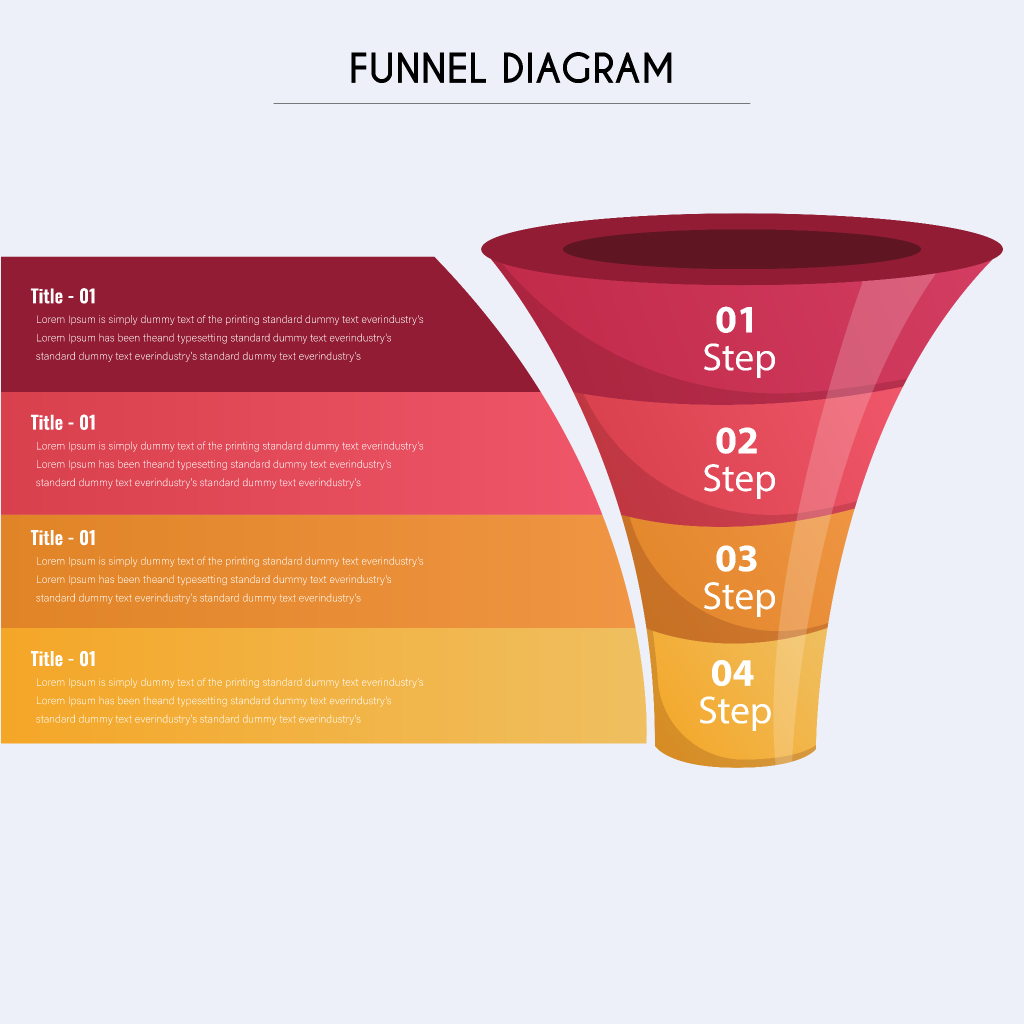
What Is a Marketing Funnel? Understanding Full-Funnel Strategy
A marketing funnel (also called a “purchase funnel”) is a structured model that maps the path potential customers follow—from initial awareness to loyalty and advocacy. Traditionally, it includes four stages: Awareness, Consideration, Conversion, and Loyalty. Each stage calls for different strategies, messages, and channels to move prospects forward effectively.
In 2025, the marketing funnel has shifted from a linear concept to a customer-centric journey. Consumers now move fluidly between touchpoints, often entering and exiting the funnel in unpredictable ways. Smart marketers use a full-funnel approach that supports this complexity through data-driven personalization and multi-channel engagement.
The Stages of the Modern Marketing Funnel
Awareness is about visibility. Brands must introduce themselves to new audiences through digital ads, influencer content, PR, and viral campaigns. Spotify’s annual “Wrapped” campaign, which floods social feeds organically, is a great example of effective top-of-funnel awareness.
Consideration focuses on nurturing interest. Brands provide product comparisons, case studies, and retargeted content that educate and differentiate. Amazon, for example, uses customer reviews and side-by-side product charts to help shoppers move toward intent.
Conversion is the decision point. Offers like free shipping, personalized deals, and social proof can nudge buyers. Brands like Allbirds pair remarketing ads with user testimonials and time-sensitive promotions to convert.
Loyalty & Retention keep the cycle going. Through email nurturing, subscriptions, rewards, and great service, companies like Netflix build long-term relationships. Their personalized win-back campaigns and viewing recommendations are textbook post-purchase engagement.
A strong focus on customer retention ensures that acquisition efforts translate into long-term growth and higher lifetime value.
Marketing Funnel vs. Sales Funnel: Clarifying the Difference
Marketing funnels span the entire customer journey—from first brand impression to loyalty. Sales funnels, by contrast, typically begin once a lead is qualified and focus on moving them to purchase. While they operate at different points, both funnels must work in tandem for optimal results. When marketing generates high-quality leads and sales closes with precision, the business benefits from smooth handoffs and stronger ROI.
Implementing a Full-Funnel Marketing Strategy
To activate a full-funnel strategy:
- Begin with deep audience research and journey mapping. Identify key touchpoints, pain points, and opportunities.
- Match content and campaigns to funnel stages. Use viral video and influencer content for awareness, webinars and reviews for consideration, and limited-time offers or strong CTAs for conversion.
- Orchestrate media channels for seamless flow. Blend paid, owned, and earned media across the funnel.
- Personalize messaging using dynamic segmentation and automation tools.
- Track results, test continuously, and refine based on real-time analytics and attribution models.

Funnel KPIs and Measurement
Tracking performance at each stage ensures your strategy delivers real value:
- Awareness: Website traffic, brand search volume, reach, and impressions.
- Consideration: Click-through rates, lead magnet downloads, time on site, MQLs.
- Conversion: Conversion rate, CPA, average order value, sales.
- Loyalty: Retention rate, LTV, NPS, and referrals.
Advanced marketers connect these KPIs to closed-loop reporting to optimize spend and justify investment across the funnel.
Case Studies in Full-Funnel Success
Sensibo, a climate tech brand, used Sponsored Brands video for awareness, Sponsored Brands for consideration, and Sponsored Products for conversion via Amazon Ads. The result? Over 100% YoY growth in new-to-brand sales across multiple markets.
Allbirds, the sustainable shoe company, runs TikTok and Instagram campaigns to drive awareness. They follow up with educational content, product comparisons, and customer stories before remarketing with free shipping offers to close conversions. Loyalty programs and eco-focused incentives round out their funnel.
Basecamp, a SaaS company, generates awareness through its blog “Signal vs. Noise,” captures interest with free trials, and converts via streamlined onboarding. They foster retention through strong support and user stories.
Funnel Alignment: Cross-Team Collaboration
Funnel success depends on collaboration across marketing, sales, product, and customer service. Misaligned teams create funnel leaks. Shared metrics, feedback loops, and integrated tech stacks help maintain alignment. In 2025, funnel-driven brands outperform their competitors not just by converting clicks, but by building relationships that last.
Conclusion: Funnel Mastery Is the Growth Edge
The marketing funnel is no longer a simple sequence—it’s a living, breathing growth system. Brands that build strategies across every funnel stage, powered by personalization, data, and alignment, capture more attention, convert more buyers, and create advocates. Mastering the funnel in 2025 is how modern brands turn interest into impact—and clicks into customers. Discover how Quimby Digital helps businesses accelerate scalable growth with strategic digital advertising — visit our homepage to learn more.