


Introduction: The Evolution and Relevance of Digital Advertising
Digital advertising has evolved into the heartbeat of growth for startups, DTC brands, and ambitious marketers. With consumers spending over seven hours daily on digital devices and nearly 70% of retail interactions beginning online, digital ads have shifted from optional to essential.
In 2025, rapid innovation, precision targeting, and data-driven optimization have transformed digital advertising into an engine for measurable, scalable growth. Whether you’re launching a new product, expanding a DTC business, or building lasting customer loyalty, mastering digital advertising means integrating the right strategies, ad types, and best practices into every campaign.
At Quimby Digital, we focus on helping brands make this shift by pairing performance-driven creative with full-funnel strategies that move audiences from awareness to conversion and beyond.

What is Digital Advertising?
Digital advertising refers to all paid marketing efforts that appear online, including search ads, display banners, social media placements, streaming video, native ads, and digital audio spots.
Unlike traditional advertising that casts a wide net with limited measurement, digital ads use precise targeting and real-time analytics to connect brands with the right audiences at the right time. This makes it possible to measure everything from impressions to conversions and refine campaigns continuously.
Why Digital Advertising Matters
Modern digital advertising offers agility, accountability, and scale. It allows marketers to launch campaigns quickly, adjust budgets or creatives in real time, and attribute performance down to a keyword, device, or creative asset.
This adaptability is especially critical for startups and DTC brands competing against larger players. Instead of waiting weeks for results from traditional channels, digital advertising delivers insights within days — enabling faster iteration and smarter investment.
Brands like Uniqlo and Allbirds have successfully leveraged digital advertising to scale from niche players to global names, often outpacing traditional competitors by prioritizing audience-focused, test-and-learn approaches.
Types of Digital Advertising
Search Advertising (SEM)
Search ads appear at the top of search engine results pages when users are actively seeking solutions. These intent-based placements often deliver strong ROI for DTC and B2B brands alike.
Display Advertising
Display ads — banners, interstitials, and interactive units — appear across websites and apps. They are especially effective for building awareness, retargeting, and supporting product launches.
Social Media Advertising
Platforms like Instagram, LinkedIn, TikTok, and X offer robust targeting options to reach niche audiences. Social ads are essential for engaging users with visual storytelling and influencer-driven campaigns.
Video Advertising
Video ads on platforms like YouTube, TikTok, and streaming services are increasingly powerful, often driving higher engagement and conversion rates than static formats.
Audio Advertising
Digital audio ads in podcasts and music streaming platforms like Spotify or Pandora are growing rapidly as part of the omnichannel mix, offering a personal and contextually relevant touchpoint.
Native Advertising
Native ads blend into the surrounding content (like in-feed articles or sponsored posts), making them ideal for upper-funnel brand storytelling.
Programmatic Advertising
Programmatic buying uses automated systems and AI-driven bidding to deliver ads across multiple platforms efficiently. It helps maximize ROI and ensures precision targeting.
How Digital Advertising Works
Digital advertising campaigns can be purchased either directly from platforms or programmatically through demand-side platforms (DSPs).
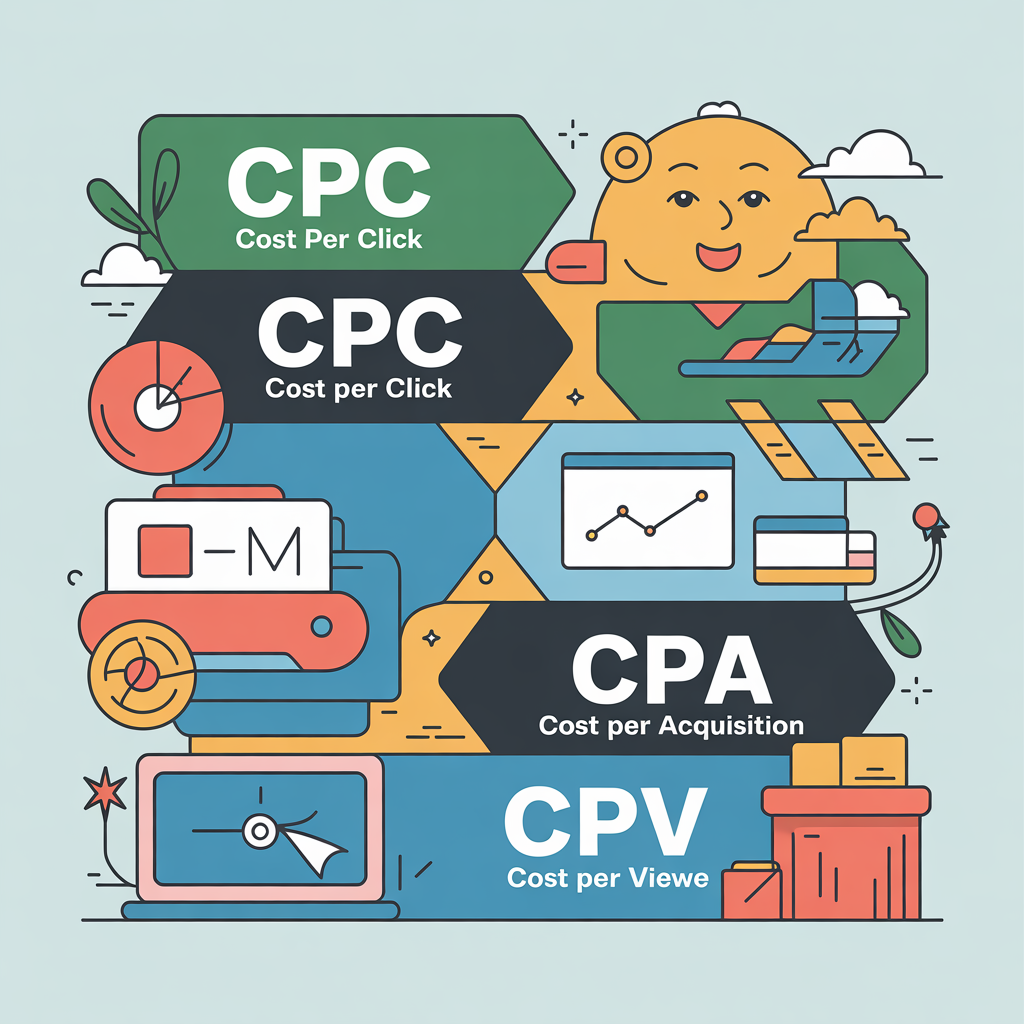
Key pricing models include:
- CPC (Cost per Click): Pay only when a user clicks on your ad — often preferred for performance campaigns.
- CPM (Cost per Mille): Pay per thousand impressions — common for awareness campaigns.
- CPA (Cost per Acquisition): Pay when a specific conversion occurs, such as a lead submission or sale.
- CPV (Cost per View): Typically used for video ads, charging per completed view.
Targeting has become increasingly precise, using contextual signals, behavioral data, and first-party insights to reach the right audience. Creative assets — from product carousels to interactive videos — are optimized for each funnel stage.
For guidance on standards and best practices, consult the Interactive Advertising Bureau (IAB) and explore insights from Think with Google.
Key Metrics to Measure Success
Successful digital advertising relies on ongoing measurement and refinement. Important metrics include:
- CTR (Click-Through Rate): Indicates how compelling your ad is to the audience.
- ROAS (Return on Ad Spend): Reveals revenue generated for every dollar spent.
- CPA (Cost per Acquisition): Tracks cost-effectiveness in acquiring new customers.
- CVR (Conversion Rate): Reflects how well your ads and landing pages drive action.
- Impressions & Frequency: Indicate reach and exposure, vital for awareness.
- CLV (Customer Lifetime Value): Links ad performance to long-term brand impact.
Improving these metrics often involves refining creative messaging, testing landing pages, tightening audience segments, and adjusting bids.
Best Practices and Optimization Tips
To unlock growth, marketers should integrate testing and optimization into every phase of their campaigns. Focus on:
- Aligning ad messaging with funnel stages — awareness, consideration, and conversion.
- Continuously testing creatives, headlines, and calls to action.
- Designing mobile-first experiences for landing pages and ads.
- Protecting brand safety with proper placement controls.
- Reviewing dashboards regularly to spot performance shifts early.
For an example of how integrated campaigns can build lasting awareness, see our blog on How to Increase Brand Awareness.
Case Studies and Real-World Examples
UNIQLO’s “Uncover” Campaign:
An omnichannel initiative leveraging digital billboards, YouTube, and social media to boost newsletter signups and sales. The result: 1.3M video views and 35,000 new customers — showing how digital advertising can bridge online and offline growth.
Allbirds’ Full-Funnel Social Strategy:
The eco-friendly brand used video and influencer content for awareness, combined with retargeting to drive conversions. This mix contributed to a 40% year-over-year growth in ecommerce revenue.
Quimby Digital’s Client Success:
Our team helped a DTC wellness brand implement a data-driven, full-funnel campaign that tripled ROI in under six months. Discover more about our approach on our Services page.

Integrating Digital Advertising into a Full-Funnel Strategy
High-performing brands don’t treat digital ads as standalone tactics. They align campaigns with the entire customer journey: video and display for awareness, native and social for consideration, search and retargeting for conversions, and retention ads for loyalty.
At Quimby Digital, we specialize in orchestrating these touchpoints so each ad type contributes to moving customers closer to conversion and long-term loyalty.
FAQs
How much does digital advertising cost in 2025?
Budgets vary — search ads can start as low as $0.30–$5 per click, while video or social often run $6–$12 CPM. Most brands start small, then scale based on performance.
Which ad types drive the best ROI?
Search and social ads often show the quickest returns, but retargeting and programmatic display amplify ROI when integrated into a full-funnel approach.
How long until I see results?
Performance campaigns can show lift within days, though sustainable ROI usually emerges after 4–8 weeks of testing and optimizing.
How do I know if my ads are working?
Track ROAS, CPA, and CVR, and pair platform data with Google Analytics for attribution clarity.
What’s the difference between digital ads and programmatic ads?
Programmatic is the automated buying method for delivering digital ads efficiently at scale.
Conclusion and CTA
Digital advertising has become the backbone of modern growth strategies. Success now depends on uniting data-driven targeting, compelling creatives, and funnel-based execution to maximize ROI. Stay ahead of the curve with our insights on Top Tech Strategies for Tomorrow.
Accelerate your growth with performance-driven digital advertising. Partner with Quimby Digital to launch campaigns that deliver measurable results.