


Unpack the social media transformation from connection to commerce. Understand algorithms, AI, and how to adapt your business strategy.
Social media change is the strategic shift from using social platforms as simple communication tools to leveraging them as core business drivers that integrate across marketing, customer service, and brand building. This evolution represents one of the most significant changes in how companies connect with customers since the internet began, emphasizing the importance of user-generated content.
What Social Media Change Includes:
- Platform Evolution: From chronological feeds to algorithm-driven content findy
- User Behavior Changes: Shift from connecting with friends to consuming branded content
- Business Integration: Social media becoming central to customer acquisition and retention
- Technology Advances: AI-powered personalization, social commerce, and automated engagement
- Measurement Focus: Moving beyond vanity metrics to revenue-driving KPIs
The numbers tell the story clearly. Social media audiences will reach 5.85 billion users by 2027, while 75% of internet users aged 18-64 now research brands on social before buying. Even more striking, 76% of consumers have made purchases directly influenced by social media content.
But this change isn’t just about growth – it’s about fundamental change. As one industry observer noted, “Social media has shifted from user-led connection to algorithm-controlled digital lives.” The platforms where we once shared personal updates with friends have become sophisticated broadcast channels where brands compete for attention through carefully crafted content strategies.
For wellness, CPG, and tech brands especially, this shift creates both massive opportunities and complex challenges. The old rules of organic reach and simple posting schedules no longer work. Success now requires understanding algorithmic preferences, creating authentic community connections, and balancing paid promotion with genuine engagement.
The change is accelerating rapidly. 5.24 billion users worldwide are already active on social platforms, and 75% of B2B buyers now make purchasing decisions based on social interactions. Companies that understand and adapt to these changes will thrive. Those that don’t risk becoming irrelevant.
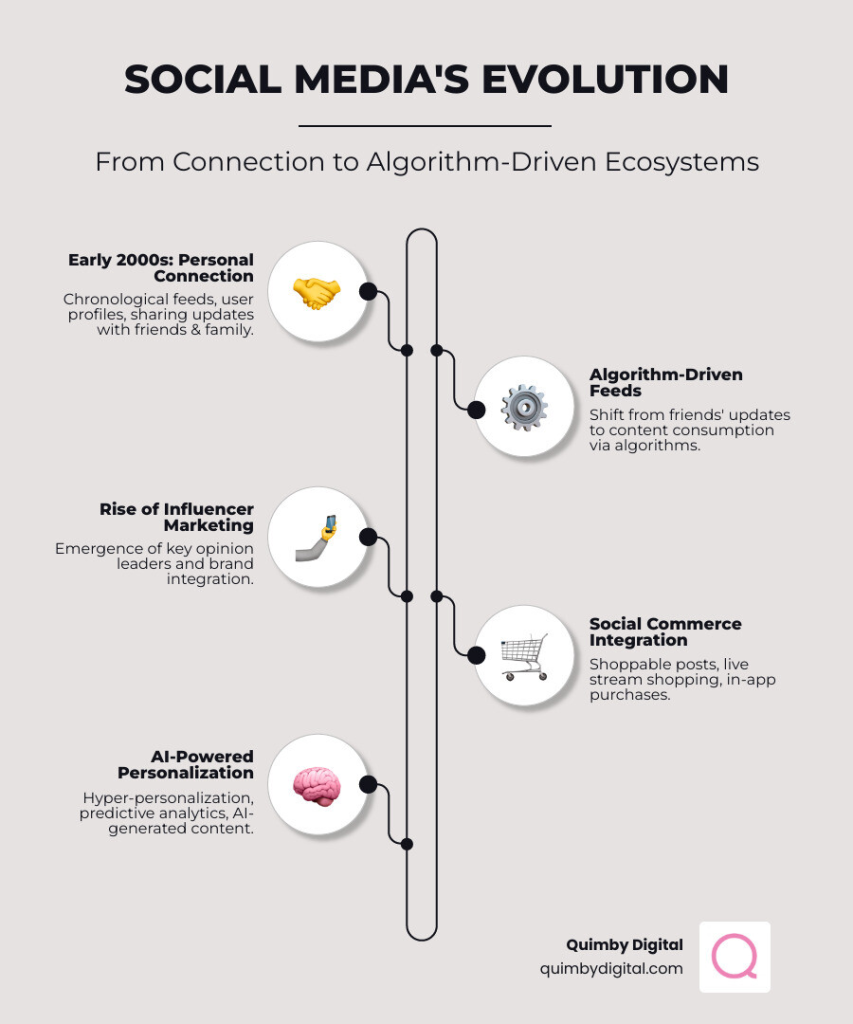
From Personal Connection to Global Broadcast: The Evolution of Social Media
Remember when social media was actually social? Those early days feel like a different world now. Early platforms like Friendster, MySpace, and the original Facebook were digital hangouts for catching up with friends, sharing thoughts, and posting photos.
Everything felt personal. Your feed was chronological—no mysterious algorithm deciding what you should see. You had control, and the content came from people you knew.
Furthermore, the rise of user-generated content is reshaping brand strategies, making it crucial for businesses to engage authentically with their audiences.
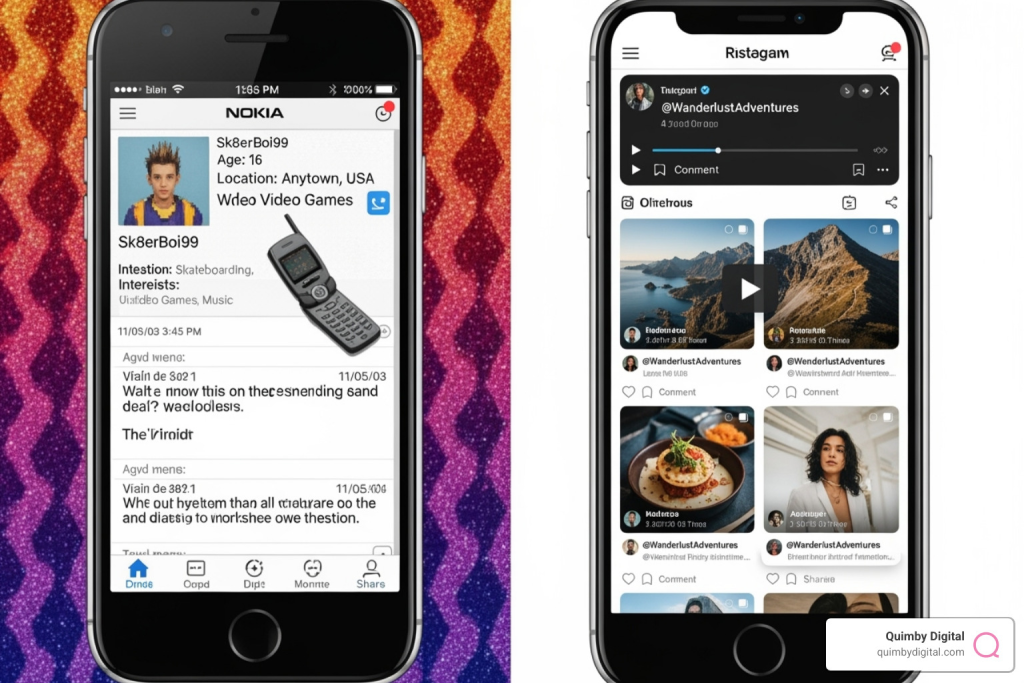
Fast forward to today, and we’re living in a completely different reality. Social media change has turned these platforms into broadcasting networks that rival traditional media. Instead of seeing what your college roommate had for lunch, you’re watching viral dance videos, product reviews from influencers, and breaking news alerts.
The shift is dramatic. Meta’s research shows people spend less time viewing content from friends. We’ve moved from sharing personal photos to consuming endless streams of entertainment, ads, and content from strangers.
It’s like social media became the digital version of channel surfing – except the channels are infinite and they’re all competing for your attention with increasingly dramatic content. The platforms now prioritize whatever keeps you scrolling longest, not what’s most meaningful to your actual relationships.
This evolution was driven by our desire to connect and by technology. Smartphones made social media portable and AI personalized content, pushing us from intimate connection toward mass consumption.
To understand where we’re headed, let’s look at how we got here.
The Era of the Social Graph
The early 2000s were all about building your digital social circle. Friendster kicked things off in 2002, followed by MySpace, which became the most popular website on Earth by 2006. Even LinkedIn joined the party, focusing on professional connections.
These platforms were built around the idea that your online world should mirror your real-world relationships. You’d create a profile, connect with friends, join groups based on your interests, and share updates with people who actually knew you.
Community building was the whole point. You’d spend hours customizing your MySpace page, finding new bands through friends’ profiles, and actually caring about the personal updates in your feed. The content was user-generated, authentic, and came from your immediate social circle.
Everything felt intimate and personal because it was. Social media was an extension of your existing relationships, not a replacement for them.
The Shift to the Content Feed
Then everything changed. The mid-2010s brought a massive shift toward content consumption over personal connection. Visual content exploded, led by Instagram’s beautiful photos and later TikTok’s addictive videos.
This era birthed influencer culture – suddenly, people with large followings became the new celebrities and tastemakers. Brands saw the opportunity and started weaving their products seamlessly into the content we were already consuming.
Social media transformed into our primary news source and entertainment hub. Instead of checking news websites or turning on TV, millions of people started getting their information from social feeds. The platforms became all-consuming entertainment centers where you could spend hours without ever leaving.
The numbers tell the whole story: 76% of consumers buy products seen in social media posts. That’s the power of this content-driven change – it doesn’t just entertain us, it influences what we buy, think, and do.
This shift fundamentally changed how we use social media. Instead of actively connecting with friends, we became passive consumers of an endless content stream. And that passive consumption opened the door for the next big driver of change: algorithmic feeds that decide what we see based on what keeps us scrolling longest.
The personal connection that started it all? It’s still there, but it’s buried under layers of viral videos, sponsored posts, and algorithmic recommendations designed to capture our attention rather than nurture our relationships.
The Engines of Change: Algorithms, Monetization, and User Behavior
Early social media was like a local coffee shop where you knew everyone. Today’s platforms are more like massive entertainment complexes where an invisible host decides what you see. This social media change didn’t happen overnight – it’s been driven by three powerful forces working together: algorithms, monetization strategies, and our own changing behavior as users.

Over the past seven years, something fundamental has shifted. We’ve moved from being active participants who chose our own social media trip to becoming passengers on a ride controlled by complex systems. The platforms that once connected us with friends now use algorithms to decide what deserves our attention. It’s a profound change affecting how we connect, what we find, and how we think about our digital relationships.
This shift has real psychological impact. When we lose control over what appears in our feeds, we become more passive consumers rather than active community members. The result? Many of us find ourselves scrolling mindlessly through content we never specifically chose to see. For a fascinating deep dive into this phenomenon, check out Social Media’s Change: User Freedom to Algorithm Power.
The Rise of the Algorithm
Remember chronological feeds? Those days are gone. Today’s algorithms act like personal assistants who think they know what you want better than you do.
These systems analyze everything – your engagement metrics like clicks, shares, and time spent viewing content. They use popularity-based sorting to push viral content to the top, regardless of whether it comes from your closest friends or complete strangers. The “follow” button has become almost decorative since algorithms decide what you actually see from the accounts you’ve chosen to follow.
This creates what we call echo chambers – digital spaces where we mainly see content that confirms what we already believe. The algorithm’s focus on engagement metrics means that controversial or emotionally charged content often gets prioritized because it generates more reactions. It’s designed for maximum engagement, not necessarily for meaningful connection.
The trade-off is clear: we get personalization but lose user autonomy. We’re no longer in the driver’s seat of our social media experience.
The Power of Short-Form Video
If algorithms are the engine of change, then short-form video is the rocket fuel. The explosive popularity of quick, snackable videos has reshaped how we consume and create content across all platforms.
This format perfectly matches our declining attention spans and creates immersive experiences that keep us glued to our screens. The rapid-fire nature of these videos makes it incredibly easy to get caught up in viral trends and spend hours watching content without realizing how much time has passed.
Here’s the interesting paradox: while nearly half of Gen Z wishes short-form video content hadn’t become so dominant, it remains incredibly effective for businesses. 88% of marketers see positive returns on investment through video content, and it became the number one form of media used in content marketing by 2019.
For brands, mastering this format isn’t optional anymore – it’s essential. The content creation tools built into platforms make it easier than ever to produce engaging videos, but knowing how to use them effectively is key. If you want to create videos that actually connect with your audience, our guide on 5 Ways for Brands to Create Effective Video Content offers practical strategies that work.
Monetization and the Business Model
Let’s be honest about what’s really driving these changes: money. Social media platforms are businesses, and their primary goal is generating advertising revenue. The more time we spend scrolling, the more ads they can show us, and the more money they make.
This has led to incredibly sophisticated ad targeting systems that know more about our preferences than we might realize ourselves. Platforms have become experts at turning data into a commodity, using our behavior patterns, interests, and demographics to create detailed profiles that advertisers find irresistible.
Beyond traditional advertising, platforms are embracing social commerce – making it possible to buy products without ever leaving the app. In-app purchases for premium features and virtual goods add another revenue stream, creating multiple ways for platforms to monetize our attention and engagement.
For businesses, this creates both opportunities and challenges. The key is understanding how to balance organic reach with paid promotion effectively. Success requires knowing when to invest in ads and when to focus on building genuine community connections. You can learn more about striking this balance in our comprehensive guide on organic & paid social media campaigns.
The bottom line? These three forces – algorithms, monetization, and changing user behavior – continue to reshape social media in ways that affect both how we connect as humans and how businesses reach their audiences. Understanding them is the first step to navigating this new landscape successfully.
The Business Imperative of Social Media Change
For businesses today, social media change isn’t just a nice-to-have—it’s absolutely essential. Think of it as weaving social media into the very fabric of how your business operates, not just slapping it on as an afterthought. This means integrating social platforms into everything from your sales process and marketing campaigns to how you hire people and communicate internally. It’s the difference between having a dusty Facebook page and using social media as a strategic powerhouse that actually moves the needle on your bottom line.
The numbers make this crystal clear. 75% of B2B buyers now use social media to inform their purchasing decisions, which means social isn’t just for B2C brands anymore—it’s become a critical business intelligence tool. When you consider that social media gives you direct access to billions of users and real-time insights into what your customers are thinking, it’s hard to argue against making this change a priority.

But let’s be honest—this change comes with its fair share of headaches. Many businesses struggle with time constraints from manual posting and monitoring, skill gaps in creating engaging content, data overwhelm that makes insights feel impossible to extract, and the constant pressure to stay relevant in rapidly changing digital conversations.
The good news? These challenges are totally solvable with the right approach, smart tools, and a team that’s aligned on your vision.
Defining Your Social Media Change Strategy
Creating a successful social media change strategy starts with asking yourself three fundamental questions: Why do we need to transform? What exactly needs to change? And how are we going to make it happen?
The foundation is understanding the real value social media can bring to your business. If your current efforts aren’t translating into increased website traffic, qualified leads, or actual sales, that’s your wake-up call for change. Next, you’ll want to review your existing processes—both your organic content strategy and any paid campaigns you’re running.
The magic happens when you link social media functionality directly to your sales funnels. Instead of posting into the void, create Instagram Stories that drive traffic to specific product pages, or use LinkedIn content to nurture prospects through your B2B sales cycle. Adding interactivity is crucial too—polls, comments, and carousel posts can significantly boost engagement (Twitter found carousel posts generated 15% to 24% more impressions).
Personalizing content based on your audience’s demographics and interests makes your message feel relevant rather than generic. This requires smart platform selection and audience segmentation—maybe that means expanding to Reddit for community building or focusing your energy on TikTok for short-form video content.
Finally, setting realistic KPIs ensures you’re measuring what actually matters to your business, not just vanity metrics that look good in reports but don’t drive growth.
Building an Authentic Brand in a Crowded Space
In today’s noisy social landscape, authenticity isn’t just a buzzword—it’s your competitive advantage. Building an authentic brand presence means extending your company’s unique voice and visual identity into the social space in a way that feels genuine, not forced.
For wellness, CPG, and tech brands especially, this often means moving beyond purely promotional content to share your brand values and story in meaningful ways. It’s about building real community rather than just collecting followers. This involves consistent visual branding, engaging storytelling that resonates with your audience, and active community management that makes people feel heard and valued.
Trust-building is at the heart of authentic social media presence. When consumers feel a genuine connection to your brand, they’re more likely to become loyal customers and advocates. If you want to dive deeper into this approach, check out our guide on How to Use Social Media to Build Trust With Your Audience.
Overcoming Common Social Media Change Problems
Let’s talk about the real challenges you’ll face during your social media change and how to tackle them head-on.
Time constraints from manual tasks can eat up your day faster than you’d believe. The solution? Accept automation tools for scheduling posts, monitoring brand mentions, and generating reports. This frees up your team to focus on strategy and creative thinking rather than repetitive tasks.
Missing skillsets for creating platform-specific content is another common hurdle. Invest in team training, use tools that simplify content creation (especially for complex formats like short-form video), and don’t be afraid to bring in external expertise for specialized needs.
Data overwhelm can make you feel like you’re drowning in metrics without understanding what they mean. Focus on analytics tools that translate data into actionable insights and tie directly back to your business KPIs. Not every metric matters—concentrate on the ones that actually drive your goals.
Creating relevant content consistently can feel impossible, especially when trends change so quickly. Deepen your audience research, use social listening tools to stay on top of trending topics, and prioritize user-generated content and interactive formats that encourage genuine engagement.
The key to overcoming these challenges is taking a collaborative approach that gets buy-in from your entire team. When everyone understands and contributes to your social media change vision, you’re much more likely to see real results.
The Next Frontier: AI, Social Commerce, and the Future of Digital Connection
Looking ahead, we’re standing at the edge of what might be the most exciting era of social media change yet. The landscape is evolving rapidly, driven by artificial intelligence breakthroughs, shopping experiences that feel more like socializing, and users who are increasingly demanding control over their digital lives.
One of the most fascinating shifts happening right now is how social media is breaking free from its traditional boundaries. Instagram’s decision to let search engines like Google index public content starting July 2025 is a perfect example. This means your carefully crafted posts won’t just live within Instagram’s walls anymore – they’ll be findable across the entire internet. It’s like opening the doors of a private club to the whole world.
This shift is already changing how people search for information. 41% of Americans now use TikTok as a search engine, and for the first time in 15 years, TikTok has actually surpassed Google as the most visited site. Pretty incredible when you think about it – we’re literally watching the future of search unfold in real-time.
But this change isn’t without its challenges. As platforms become more intelligent and integrated into our daily routines, questions about privacy, data control, and algorithmic transparency become more pressing. The potential TikTok ban in some regions shows how seriously governments are taking these concerns. It’s a reminder that with great power comes great responsibility – both for platforms and the businesses that use them.
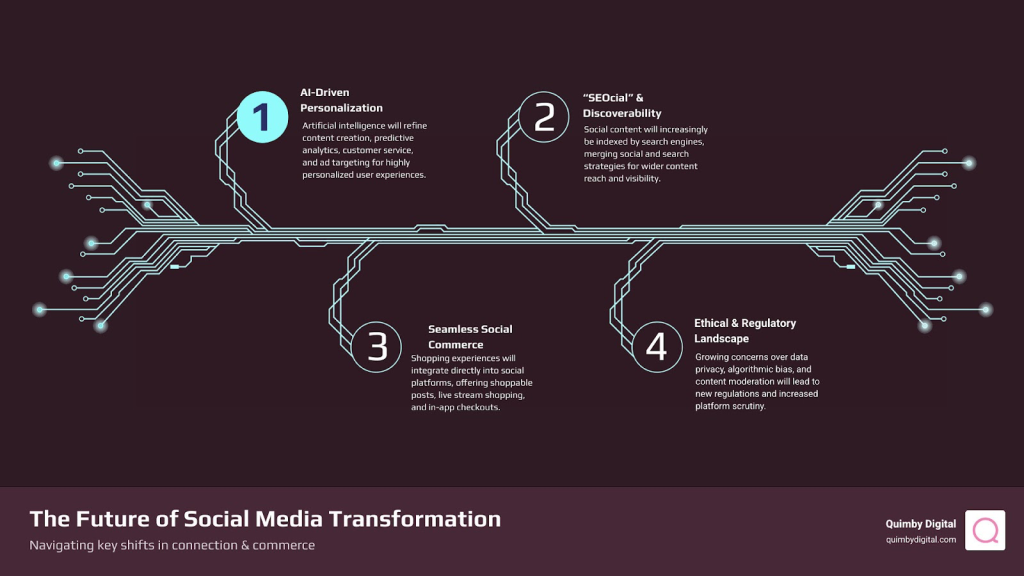
AI’s Role in Shaping Content and Experience
Artificial intelligence isn’t just the future of social media – it’s the present. And honestly, it’s pretty mind-blowing how quickly it’s changing everything we thought we knew about content creation and user experience.
AI-driven content creation is making it possible for brands of all sizes to produce engaging, personalized material at scale. Imagine having a creative assistant that can analyze trending topics, suggest the perfect format for your message, and even help optimize your visuals. That’s not science fiction anymore – it’s happening right now.
The real magic happens with predictive analytics. AI can help brands anticipate what their audience wants before they even know they want it. This means better content timing, more relevant messaging, and ultimately, stronger connections with your community.
Chatbots and automated customer service are also getting incredibly sophisticated. They’re moving beyond basic FAQ responses to providing genuinely helpful, personalized support that feels almost human. This is huge for brands looking to scale their customer service without losing that personal touch.
And let’s talk about ad targeting improvements. AI is making it possible to reach exactly the right people with the right message at the right time. No more spray-and-pray advertising – we’re talking surgical precision that actually respects users’ time and interests.
With platforms becoming searchable beyond their own walls, optimizing content for AI-powered search is becoming crucial. This includes everything from voice-overs in videos to on-screen text that can be easily indexed and found. If you’re worried about how regulatory changes might affect your strategy, especially with platforms like TikTok, we’ve put together some helpful insights on how to Prepare for TikTok Ban.
The Seamless Integration of Shopping and Socializing
Here’s where things get really exciting for businesses: social commerce is changing how we think about the customer journey. We’re moving toward a world where finding, evaluating, and purchasing products happens in one seamless flow, all within the social environment where people are already spending their time.
Shoppable posts have evolved from simple product tags to sophisticated shopping experiences. Users can now browse entire catalogs, read reviews, and make purchases without ever leaving their favorite platform. It’s convenience and social proof rolled into one powerful package.
Live stream shopping is bringing back the excitement of home shopping networks, but with a modern, interactive twist. Brands can showcase products in real-time, answer questions immediately, and create a sense of community around the shopping experience. It’s like having a personal shopping assistant who also happens to be your favorite content creator.
The introduction of in-app checkout features has eliminated one of the biggest barriers to social commerce – the friction of being redirected to external websites. Now, that perfect product you finded while scrolling can be yours with just a few taps, all without breaking the social media flow.
Influencer storefronts are creating new opportunities for authentic product findy. Instead of traditional advertising, brands can partner with trusted voices to create curated shopping experiences that feel more like recommendations from friends than sales pitches.
This entire social media change toward integrated commerce is creating unprecedented opportunities for brands to meet customers exactly where they are, when they’re most engaged. If you’re ready to explore how this could work for your business, check out More info about Quimby E-commerce services.
The future we’re heading toward promises social platforms that are more intelligent, more integrated, and hopefully more empowering for everyone involved. It’s an exciting time to be building authentic communities and meaningful connections in the digital space.
Conclusion
The story of social media change began with simple connection and has become an algorithm-driven ecosystem shaping how we think, shop, and interact. What started as weekend photo sharing now directs global culture and commerce.
For businesses, the takeaway is clear: social belongs at the core of operations, not the edges. Every post can feed a pipeline, every comment can surface insight, and every trend can become opportunity.
The hard part isn’t just keeping pace—it’s staying authentic. When engagement rules the feed, meaningful connection requires intention.
We’re still early. Artificial intelligence will sharpen personalization, and social commerce will make buying almost effortless.
Amid constant change, the brands that win understand their communities, tell compelling stories, and adapt without losing their voice.
At Quimby Digital, we build around this belief. Social media change isn’t about chasing every trend—it’s about nurturing genuine communities. From Reddit to TikTok, we focus on organic growth that feels natural, not forced.
Challenges will keep coming—privacy, new technologies, shifting rules—but one constant endures: people want real brands that add value and treat them like humans.

Ready to steer this changing landscape and open up your brand’s full potential? Explore our social media services and find how we can help your brand not just survive but thrive in this exciting new era of social media.