


Unlock the secrets to thriving groups. Master authentic community engagement with practical steps for lasting connections & real impact.
Authentic community engagement is about creating genuine, two-way relationships where community members actively participate, share power, and benefit mutually. It moves far beyond one-sided marketing messages.
Quick Answer: The 5 Core Elements of Authentic Community Engagement
- Trust Building – Consistent actions over time, not just promises
- Shared Power – Community members help make decisions, not just receive them
- Mutual Benefit – Both sides gain real value from the relationship
- Long-term Commitment – Sustained engagement, not campaign-based interactions
- Transparency – Open communication about goals, challenges, and outcomes
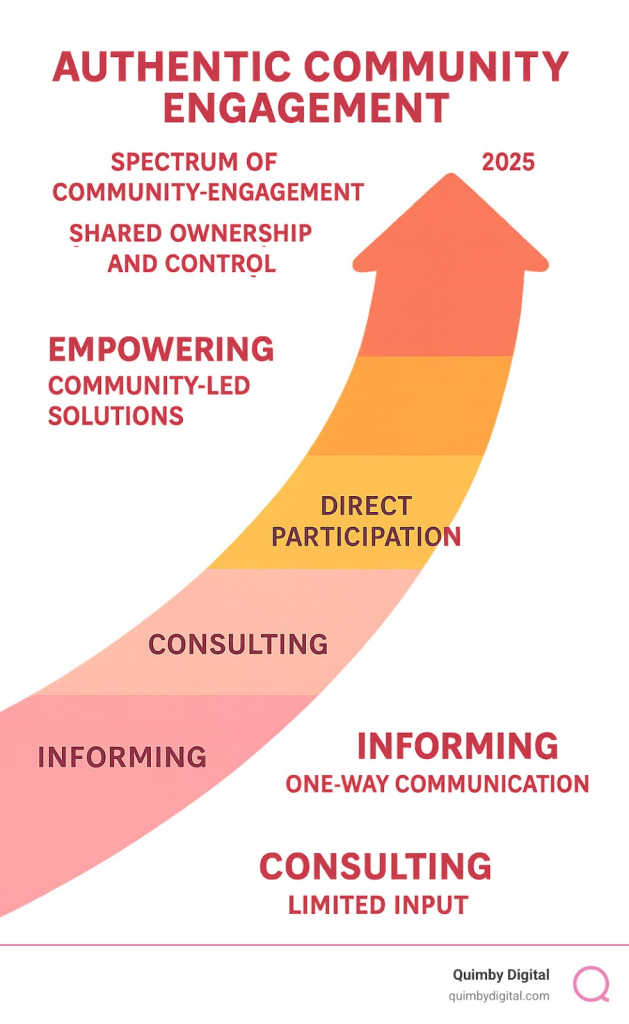
Too often, engagement initiatives feel tokenistic and transactional. The difference is stark: traditional engagement treats people as sources of input, while authentic community engagement treats them as partners in solutions. They help shape the questions, co-create answers, and own the outcomes.
This shift from one-way communication to genuine partnership open ups a community’s wisdom, generating actionable insights that drive real results. The payoff is significant: authentic engagement builds trust, creates cost-savings through better solutions, and leads to sustainable growth for both brands and communities.
The Foundation: Core Principles of Authentic Community Engagement
Building thriving communities starts with a solid foundation of core principles that separate authentic community engagement from fleeting, surface-level interactions.
Trust is the heart of genuine relationships. It isn’t built with flashy campaigns, but through consistent action over time. It requires patience, as many communities are justifiably skeptical from past experiences where organizations under-delivered.
Transparency means being honest about your intentions. Authentic engagement requires a genuine belief that community input leads to better outcomes. Share your goals, admit when you don’t have all the answers, and be upfront about limitations to create space for real partnership.
Shared power involves shifting from top-down approaches to inviting community members into actual decision-making roles. It requires giving up some control and being flexible, but this is where real change happens.
Mutual benefit ensures the relationship is a two-way street. It’s not about extracting information but co-creating value, ensuring both the organization and the community emerge stronger from the engagement.
Finally, long-term commitment distinguishes authentic engagement from campaign-based outreach. It’s about building relationships through sustained interaction, adapting as the community evolves.
These principles guide everything we do at Quimby Digital, helping us work with communities to drive meaningful change. The Principles of Authentic Community Engagement resource offers deeper insight into these concepts.
Here’s how authentic engagement differs from tokenistic approaches:
| Feature | Tokenistic Engagement | Authentic Community Engagement |
| Approach | One-way, top-down | Two-way, collaborative, shared ownership |
| Goal | Gather input, check a box | Co-create solutions, build capacity |
| Power Dynamics | Organization retains control | Power is balanced and shared |
| Relationship | Transactional, short-term | Transformative, long-term, trust-based |
| Community Role | Recipients of information/services | Active partners, decision-makers, producers |
| Outcome | Unimpactful, distrust, unmet needs | Meaningful insights, thriving communities, sustainable change |
From Transactional to Changeal
The shift from treating people as data points to partnering with them as equals changes everything. Instead of one-off interactions, you’re building lasting relationships. Instead of maintaining organizational control, you’re fostering genuine community ownership over outcomes. This means the people closest to challenges get to help create bold solutions, leading to increased buy-in that makes initiatives work in the real world.
The Mutual Benefits of Genuine Connection
When done right, authentic community engagement is a win-win.
Organizations gain deep brand loyalty and actionable insights that traditional research can’t provide. This co-creation leads to better solutions, cost savings, and a stronger reputation built on genuine advocacy.
Communities experience profound empowerment and ownership over outcomes. Members build valuable skills in leadership and problem-solving, strengthening the social fabric and creating lasting positive change that addresses real needs.
The Blueprint: Practical Steps to Build and Nurture Your Community
Building a thriving community requires a clear, practical approach that creates space for genuine connection. It’s not about a rigid formula, but a roadmap from good intentions to genuine impact.

The foundation of authentic community engagement is deep listening. From there, you can create meaningful ways for people to participate and help shape what comes next.
Start by Listening: Understanding Community Context and Needs
Before you act, listen. The most successful community builders listen first and listen deeply to understand the stories, struggles, and strengths that make each community unique.
- Build relationships first: Show up consistently in community spaces before asking for anything in return.
- Understand historical context: Acknowledge the community’s history with outsiders, as past disappointments can create justified skepticism.
- Take an asset-based approach: Instead of focusing on what’s missing, identify and amplify existing community strengths, leaders, and networks.
- Recognize diversity: Intentionally seek out perspectives from different backgrounds and life circumstances. Ensure your engagement is accessible to all.
- Avoid assumptions: Every community is different. Adapt your approach to their unique rhythms and communication styles, not the other way around.
Building this foundation of understanding takes time, but it ensures every strategy you implement will be more effective. For practical tips, check out our guide: How to Use Social Media to Build Trust With Your Audience.
Create Avenues for Genuine Participation and Feedback
Once you’ve listened, create spaces for active participation. The key is offering multiple ways to engage that meet people where they are.
- Use polls and surveys thoughtfully: They are great for starting conversations, not just gathering data. The real value is in the discussions they spark.
- Ask open-ended questions: Instead of “Do you like this?” ask “How would this be more useful to you?” This invites stories and ideas you’d never have considered.
- Accept co-creation: Invite members to help design a new service or contribute to decision-making. When people help create something, they become invested in its success.
- Create feedback loops: Regularly show people how their input has influenced decisions. Nothing kills engagement faster than feeling like you’re shouting into the void.
When people feel heard, user-generated content and advocacy emerge organically. For a deeper dive into digital tools for engagement, explore our guide on Mastering Twitter Polls: How to Directly Engage With Your Audience.
Authentic community engagement is about starting with genuine curiosity, staying flexible, and continuously improving based on what your community tells you they need.
Navigating the Nuances: Equity, Power, and Overcoming Challenges
Authentic community engagement means confronting difficult truths, balancing complex power dynamics, and overcoming common misconceptions. These challenges aren’t roadblocks—they’re opportunities for deeper connection. This work often involves navigating systemic inequities and historical trauma, requiring cultural humility and skilled conflict resolution.

Balancing Power and Fostering True Inclusivity
The defining feature of authentic engagement is the intentional effort to share power. This requires moving beyond top-down processes where organizations hold all authority.
- Create safe, trauma-informed spaces where people feel comfortable expressing their thoughts, concerns, and even anger.
- Ensure true accessibility by providing interpretation, childcare, or transportation stipends. These are essential for including voices that are often systematically excluded.
- Value lived experience as a form of expertise. The people closest to an issue often hold the most valuable insights and solutions. Intentionally include those most impacted by disparities.
As noted in the Community Engagement Definition, Principles, and Practices, this requires approaching communities as learners, not experts.
Overcoming Common Misconceptions in Authentic Community Engagement
Recognizing and overcoming these common traps is crucial for building genuine connections:
- Fear of negative feedback: Don’t be paralyzed by criticism. Allowing space for frustration actually builds trust over time.
- Impatience for results: Building meaningful relationships takes time. Rushing the process leads to tokenistic engagement that leaves everyone frustrated.
- The one-size-fits-all fallacy: Each community has unique needs and cultural contexts. Tailor your approach accordingly.
- Underestimating community capacity: View communities as partners with solutions, not problems to be solved. Your role is to facilitate their own problem-solving abilities.
- Moving beyond “checking the box”: Engagement must be driven by a genuine belief in the community’s power to co-create, not just a need to fulfill a requirement.
Recognizing and Compensating Community Contributions
Acknowledging community contributions is a critical, often overlooked, aspect of equity. When we ask people to share their time and expertise, we’re asking for something valuable.
- Value time and expertise: Treat community members, especially those with lived experience, as the experts they are.
- Offer financial compensation: Stipends, mini-grants, and covering practical expenses like childcare and transportation remove barriers and demonstrate respect.
- Provide non-monetary recognition: Publicly crediting community members for their ideas and celebrating their contributions can be equally powerful.
- Create skill-building opportunities: Workshops on leadership, advocacy, or other relevant skills offer compensation that benefits participants and strengthens the community long-term.
This reciprocal approach ensures community members feel valued and empowered, fostering a sustainable partnership.
Measuring What Matters: Gauging the Impact of Your Engagement
Measuring authentic community engagement goes beyond vanity metrics like likes and attendance. Counting followers won’t tell you if you’re building something meaningful. Real impact measurement requires looking deeper at the qualitative shifts within your community.
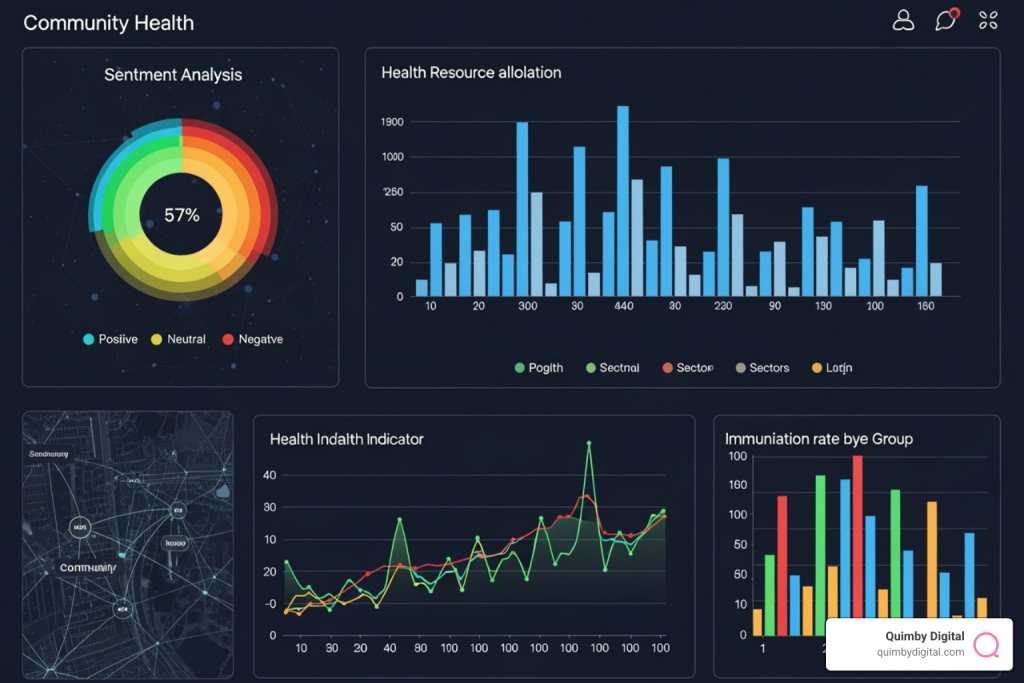
At Quimby Digital, we focus on the quality of interactions, not just the quantity.
- Sentiment analysis: We listen to the tone of conversations. Do people feel heard? Do they trust you enough to share real concerns?
- Relationship depth: We look for signs that members are connecting with each other, not just responding to brand posts. This indicates a true community is forming.
- Meaningful quantitative data: We still track metrics, but focus on participation rates of active contributors and retention of engaged members over time. A smaller, highly engaged community is more valuable than thousands of passive followers. This approach helps grow your social media following in a sustainable way.
The real question is: are we building trust and creating genuine value for everyone?
Defining Success for Authentic Community Engagement
Success looks different for every community, which is why we define it collaboratively.
- Co-create goals: The process of setting goals with the community is a measure of success itself.
- Track relationship strength: Notice when conversations become more open, when people share personal stories, and when they feel safe enough to disagree respectfully.
- Measure community ownership: The ultimate indicator is when community members take initiative, advocate for the work, and feel responsible for outcomes.
- Iterate based on feedback: Regularly check in with participants and adjust your approach. This flexibility shows their input truly matters.
- Demonstrate long-term impact: Look beyond immediate outputs to systemic changes. The most successful engagement leaves communities more empowered, connected, and resilient.
Frequently Asked Questions about Authentic Community Engagement
Here are our honest answers to the thoughtful questions we often get from clients and community members.
How do you engage a community that has been disappointed by past outreach efforts?
This is a common and justified challenge. Skepticism from past negative experiences is real.
- Acknowledge past failures. Don’t pretend they didn’t happen. Being upfront shows respect and starts building credibility.
- Show up consistently. Trust is built through reliable, steady presence over time, not grand gestures. Commit to being there for the long haul.
- Start small. Make modest, achievable promises that you can deliver on quickly. This helps rebuild trust one small success at a time.
- Let the community control the pace. Follow their lead, staying flexible and patient as relationships develop naturally.
What’s the real difference between an audience and a community?
This distinction is at the heart of our work at Quimby Digital.
An audience is passive; they consume content one-way, like watching a performance.
A community is active and interactive, like a neighborhood potluck where everyone contributes. Members connect with the brand and, more importantly, with each other. A true community has a shared identity and purpose, and a mutual value exchange that makes it sustainable. It’s about fostering a sense of belonging, not just attracting followers.
Can a for-profit brand truly practice authentic community engagement?
Yes, absolutely. But it requires a fundamental shift in mindset.
- Move from transactional to relational thinking. Focus on building genuine connections that benefit everyone, not just on making a sale.
- Provide genuine value beyond your products. Share helpful resources, amplify community voices, or use your platform to address issues your community cares about.
- Involve customers in shaping your brand. Invite community members to help develop new products or provide feedback on campaigns. This gives people real ownership.
- Be transparent about business goals. People understand that businesses need to make money. What they won’t tolerate is feeling manipulated or used.
When done authentically, this approach transforms customers into loyal advocates who are invested in your success.
Conclusion
Building thriving communities is no longer a nice-to-have; it’s essential for brands that want to create lasting impact. Authentic community engagement is about moving from broadcasting to conversation, from transactional thinking to building real relationships.
The path requires patience over quick wins, transparency over polished messaging, and genuine partnership over top-down control. This is a long-term investment that builds unshakeable loyalty and uncovers insights that traditional market research can’t match.
At Quimby Digital, our work building communities on platforms like Reddit and TikTok has taught us that people spot authenticity from a mile away—and they respond with enthusiasm. We specialize in creating genuine spaces where wellness, CPG, and tech-forward brands can grow together with their communities.
The future belongs to organizations that recognize community members as partners, not just customers. It belongs to brands willing to share power and show up consistently.
Ready to move beyond surface-level engagement and build something that actively shapes your brand’s future? Learn more about building communities for FemHealth and Wellness brands.