

Introduction: Why PPC Remains the Cornerstone of Digital Advertising in 2025
Pay-per-click (PPC) advertising continues to dominate digital growth in 2025, fueling high-ROI campaigns for DTC brands, eCommerce businesses, and retail disruptors alike. With the right strategy, PPC offers unmatched control, scalable customer acquisition, and precision tracking that makes every dollar accountable. Whether you’re running Amazon PPC, Google Ads, or paid social campaigns, mastering pay-per-click advertising is now essential for growth marketers in every industry.
If you’re just getting started, Google’s official PPC resource offers a helpful overview of the ad types, platforms, and targeting options that define the ecosystem.
What Is PPC? How Does Pay-Per-Click Advertising Work?
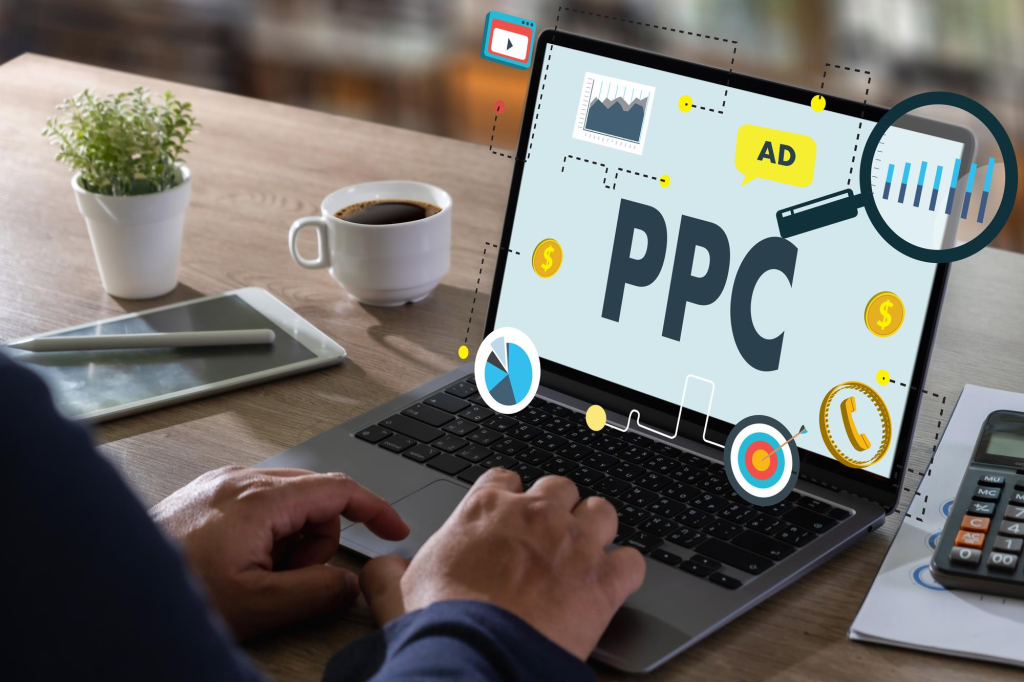
At its core, PPC is a digital advertising model where businesses pay only when someone clicks their ad. It differs from models like CPM (cost per thousand impressions), which charges advertisers based on views, not actions.
Google Ads, Amazon PPC, Facebook Ads, and TikTok all run PPC systems where advertisers bid on keywords, audience traits, or placements. Ad rankings are determined by multiple factors—bid amount, ad relevance, CTR history, and landing page experience.
For example, if a user searches “wireless headphones” on Google, advertisers targeting that keyword compete in a real-time auction. The winner’s ad appears at the top but only incurs a charge if the user clicks.
Key PPC Metrics You Need to Track
Understanding your performance depends on tracking the right metrics:
- CPC (Cost Per Click): Total ad spend divided by total clicks. A direct indicator of cost-efficiency.
- CTR (Click-Through Rate): Percentage of impressions that result in a click. Higher CTR often means better relevance.
- CPA (Cost Per Acquisition): Total spend divided by the number of conversions or sales.
- ROAS (Return on Ad Spend): Revenue generated for every dollar spent.
- ACoS (Advertising Cost of Sales) – specific to Amazon: Ad Spend ÷ Sales × 100.
Monitoring these metrics helps marketers pinpoint what’s working, trim wasted spend, and scale profitable campaigns.
PPC vs CPM: Choosing the Right Model
PPC is ideal for performance-driven goals—clicks, leads, or sales—because advertisers pay only for results. It’s the go-to model for DTC and eCommerce brands looking for immediate, measurable outcomes.
On the other hand, CPM is better suited for top-of-funnel objectives like brand awareness or reach. While it’s less precise in measuring conversions, CPM can complement PPC by building initial visibility.
For most growth-oriented campaigns, PPC delivers a better balance of control, accountability, and ROI.
Bidding Smarter: Manual vs Automated Strategies
PPC success hinges on smart bidding. In 2025, marketers typically choose between two models—or a hybrid of both:
Manual Bidding offers granular control. It’s useful when testing new keywords or managing highly competitive markets. But it requires constant oversight and doesn’t scale well for large campaigns.
Automated Bidding, powered by AI, adjusts bids in real-time based on user signals like device, time of day, and conversion likelihood. Google’s Target CPA, ROAS, and Amazon’s dynamic bidding optimize for results with less hands-on effort.
Many top-performing brands use a hybrid approach—letting AI handle most optimizations while manually managing high-value terms or strategic experiments.
How to Reduce CPC Without Compromising Results
Lowering CPC while maintaining performance is a balancing act, but highly achievable with the right tactics:
- Improve keyword targeting by using phrase and exact match types. Regularly add negative keywords to block irrelevant traffic.
- Write high-quality ad copy aligned with your audience’s search intent.
- Optimize landing pages for speed, relevance, and conversion—because post-click experience impacts Quality Score.
- Refine audience segmentation by targeting devices, geographies, or user behavior.
- Use automated rules to set bid caps, schedule ads, and allocate budget based on real-time performance.
These techniques help drive down costs and increase ROI across search and eCommerce platforms. For additional tactics, check out CXL’s advanced guide on PPC bidding strategies.
The Pros and Cons of PPC
Advantages
PPC offers rapid visibility and results, making it ideal for product launches and time-sensitive campaigns. It provides unmatched control over budget, targeting, and creative. Plus, it’s highly measurable, with clear attribution from click to sale.
Disadvantages
CPCs are rising across competitive categories, requiring continuous optimization. PPC also demands active management—neglected campaigns lose efficiency quickly. And while fraud protections are improving, invalid clicks remain a challenge.
PPC is not always ideal for products with long decision cycles or niche audiences that require relationship-building rather than instant conversions.
Amazon PPC: A Deep Dive into Retail-Specific Strategy
Amazon’s PPC platform—featuring Sponsored Products, Brands, and Display—plays by different rules. Success here requires:
- Strategic keyword match types: Broad, phrase, and exact
- Aggressive testing of creatives and copy
- Regular bid adjustments tied to SKU performance
- Constant monitoring of ACoS to protect margins
Take the example of a growing beauty brand: by segmenting campaigns by product line, targeting hero SKUs, and layering negative keywords, they cut CPC by 31% and lifted attributed sales by 47% YoY.
When PPC Drives Serious ROI
PPC works best for:
- Direct-to-Consumer launches, where brands need data, traction, and visibility quickly
- eCommerce scaling, using retargeting to boost best-sellers
- Seasonal promotions like Black Friday or Prime Day
- Market expansion, targeting new regions with local keywords and demographic targeting
For example, a swimwear brand launching its summer collection might run search ads on Google, Story ads on Instagram, and Sponsored Brands on Amazon. By tracking ROAS across platforms, they reallocate budget daily—dropping their cost per sale by 28% in three weeks.
Want to explore how full-funnel media and performance marketing connect to your PPC outcomes? Take a look at Quimby Digital’s paid media strategy services.
Conclusion: The Next Era of PPC
In 2025, PPC isn’t just a tactic—it’s the core engine of measurable digital growth. Brands that master PPC combine automation with human insight, continuously refine their targeting, and relentlessly optimize for relevance and efficiency.
Whether scaling Amazon campaigns or testing new paid social strategies, PPC gives growth teams the ability to turn every click into a customer—and every dollar into accountable revenue. Explore more about how Quimby Digital drives scalable growth through digital advertising by visiting our homepage.