


“How much do Instagram ads cost in 2025?” It’s a question every brand asks as ad budgets tighten and competition rises. Marketers aren’t just chasing impressions anymore—they’re chasing ROI. In 2025, success on Instagram isn’t defined by how cheap your clicks are, but how efficiently they convert.
This guide explores the latest Instagram advertising benchmarks, what influences your CPC and CPM, and how to budget strategically to improve ROI.
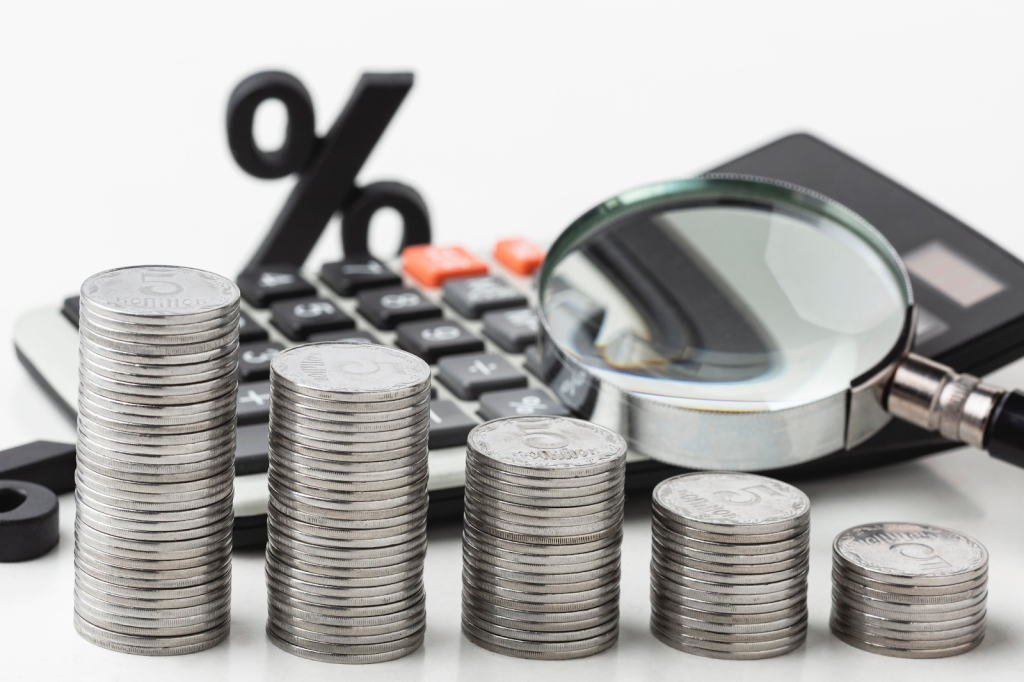
The Average Cost of Instagram Ads in 2025
Recent benchmarks show clear trends for ad pricing this year:
- Average CPC (cost per click): $0.01–$0.25
- Average CPM (cost per 1,000 impressions): $0.01–$4.00
- Average CPE (cost per engagement): $0.03–$0.08
These figures vary by industry, ad format, and competition level. For example, fashion and beauty brands typically face higher CPMs during the holidays, while B2B advertisers see steadier costs in off-peak months.
Compared to 2024, CPMs have risen roughly 10–15% due to stronger demand in Reels and Story placements. Even so, Instagram remains more affordable than LinkedIn (with $5–$10 CPMs) and much cheaper than Google Search keywords, which often exceed $3 per click.
What Influences Instagram Advertising Costs
Instagram’s ad pricing model in 2025 is dynamic—what you pay depends on your setup, targeting, and creative quality. The main cost drivers include:
- Bidding strategy: Automatic bidding offers scale but can overspend; manual bidding offers control but requires oversight.
- Campaign objective: Awareness campaigns yield lower CPCs, while conversion-driven ads cost more but generate higher-value results.
- Audience targeting: Competitive segments (like executives in major cities) drive higher CPMs.
- Creative quality: Relevant, engaging ads earn higher scores and cheaper placements.
- Placement selection: Reels and Stories often have higher engagement, but CPMs vary.
- Seasonality: Expect pricing spikes in Q4 and during retail-heavy periods.
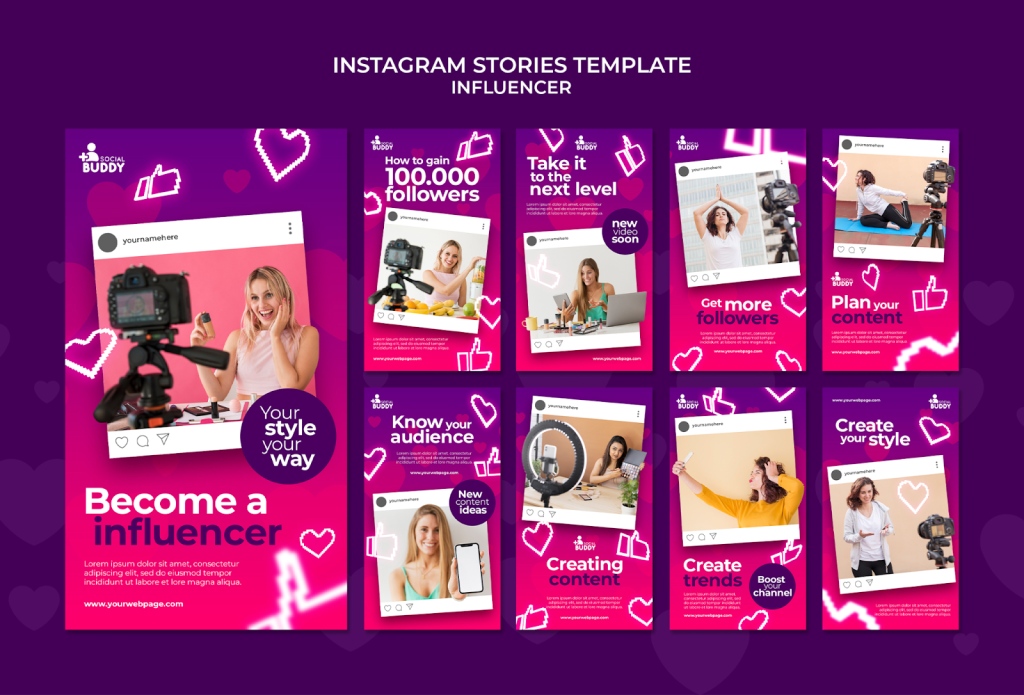
How Businesses Budget for Instagram Ads in 2025
Budget ranges differ widely depending on business size and goals:
- Small businesses: $100–$500 per month
- Mid-market companies: $1,000–$5,000 per month
- Enterprise brands: $10,000+ monthly
Spending below $300 often limits learning potential because there’s not enough data to optimize effectively. Scaling to $2,000–$5,000 allows for meaningful A/B testing and segmentation. For larger advertisers, consistent investment builds momentum and market share.
The key isn’t minimizing cost—it’s aligning spend with meaningful return. Brands that track ROI and optimize continually often achieve lower cost per acquisition over time.
ROI: The True Measure of Instagram Ad Performance
Average click-through rates on Instagram range between 0.5% and 1.5%, with conversion rates from 1% to 3% depending on offer relevance and creative strength.
But ROI tells the real story.
A $5 click that turns into a $300 sale outperforms a $1 click that never converts. That’s why brands now track:
- Cost per lead (CPL)
- Customer acquisition cost (CAC)
- Lifetime value (LTV)
Brands that focus on full-funnel tracking—awareness, engagement, conversion—achieve stronger and more predictable ROI than those optimizing for vanity metrics alone.
Instagram Ads News and Trends in 2025
Meta’s 2025 updates have reshaped how advertisers manage performance and cost efficiency. Key trends include:
- Reels ads expansion: Higher CPMs but stronger engagement—often 20–25% higher than static Feed ads.
- AI targeting improvements: Advantage+ automation features reduce CPA by up to 20%.
- Dynamic creative optimization (DCO): Automated A/B testing refreshes visuals to fight ad fatigue.
- Cross-platform attribution: GA4 integrations give marketers clearer ROI tracking.
These innovations make it easier to monitor spend, adjust budgets, and maintain efficient CPC and CPM levels.
How to Lower Instagram Ad Costs Without Losing Performance
Reducing ad spend effectively is about optimization, not shortcuts. Focus on:
- Refreshing ad creatives every two to three weeks to prevent fatigue.
- Using audience exclusions to avoid redundant impressions.
- Testing placements like Reels and Carousels for lower-cost engagement.
- Optimizing landing pages for speed and message alignment.
Even small improvements—like a 0.3% CTR lift—can reduce your cost per acquisition by double digits.
If you’re looking to reduce CPC and improve ROI, explore our guide on creative testing in paid social — where we break down how small ad variations can deliver big efficiency gains.
Why Boutique Agencies Deliver Stronger ROI
Large agencies often chase scale at the expense of precision. Boutique agencies like Quimby Digital bring senior-led expertise to every campaign, focusing on outcomes, not just metrics.
Our team helps wellness, femtech, and premium DTC brands:
- Cut wasted spend by 20–30%
- Improve CTR through disciplined creative testing
- Increase ROI with smarter audience targeting and bidding strategy
For businesses evaluating digital advertising partners, the right agency should connect every impression and click to measurable business growth.
Conclusion
Instagram remains one of the most effective ad platforms in 2025—but only when used strategically. Average CPCs and CPMs offer helpful benchmarks, yet the real difference comes from consistent testing, creative iteration, and expert management.
If your brand is ready to scale Instagram ROI and spend smarter, connect with Quimby Digital for senior-led campaign strategy built around performance and growth.
Contact Quimby Digital to optimize your 2025 Instagram advertising strategy.
Quimby Digital also offers social media marketing services for companies across the United States and Canada, tailoring strategy, content, and paid social to your market, time zone, and growth goals—including expert programs in: