


A brand engagement strategy is your roadmap for creating meaningful, two-way connections with your audience. It’s what turns customers who simply recognize your logo into active brand champions through engaging experiences.
Quick Answer: A brand engagement strategy includes:
- Internal engagement – Aligning employees with brand values
- External engagement – Building emotional connections with customers
- Two-way communication – Creating dialogue, not broadcasting
- Value delivery – Focusing on customer needs over transactions
- Community building – Fostering connections between customers
- Measurement – Tracking sentiment, loyalty, and relationship health
The reality is that 64% of customers expect custom engagements based on past interactions. Over 60% of consumers want brands to care more about them and will spend more when they feel valued.
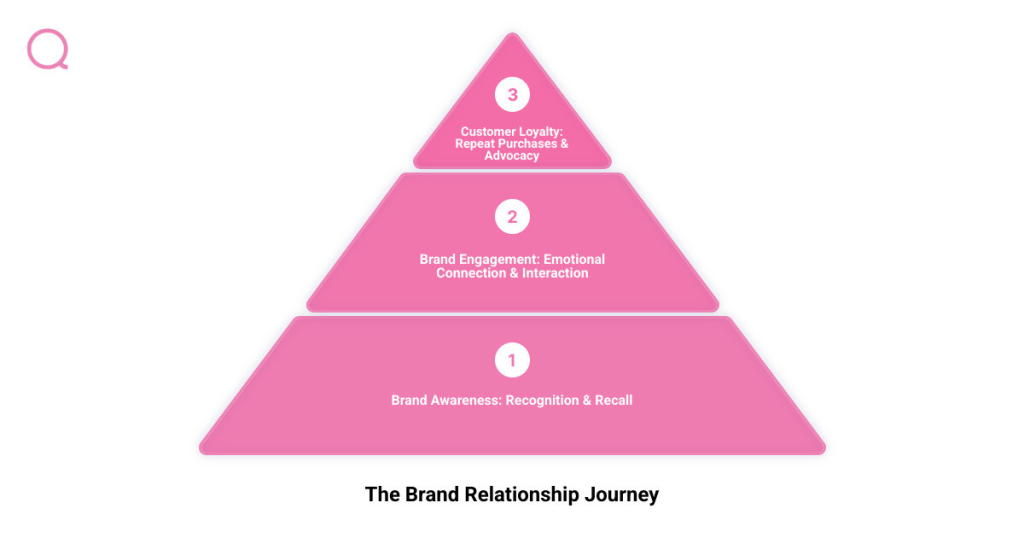
Brand engagement differs from brand awareness. Awareness means people recognize your name. Engagement means they feel an emotional connection to what you stand for and engage with your brand. It’s the difference between passive recognition and active participation.
The stakes are high: companies with engaged employees are 23% more profitable, while 32% of customers will leave after just one bad experience. Conversely, engaged customers spend 23% more over their lifetime and become powerful word-of-mouth marketers.
The good news? Building genuine engagement isn’t about budget. It’s about understanding your audience, delivering consistent value, and creating experiences that make people feel heard.
The Core Components of a Powerful Connection
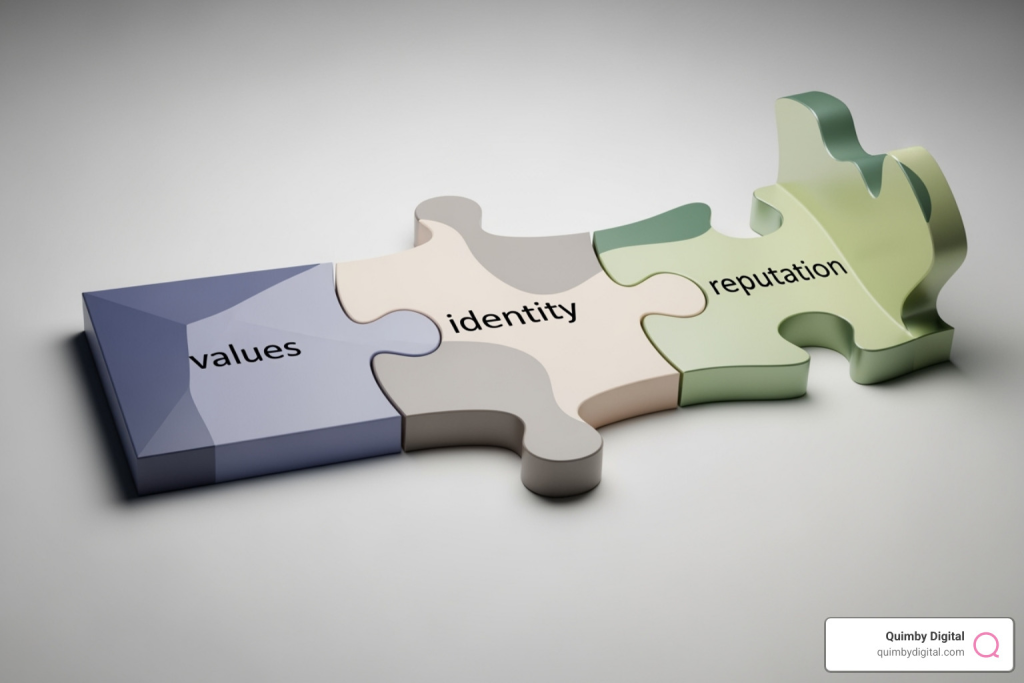
A successful brand engagement strategy requires three core components: brand identity, brand values, and brand reputation. Together, they create the emotional foundation that turns casual customers into devoted fans.
Your brand identity is your visual personality—your logo, colors, fonts, and brand voice. A strong, authentic identity makes you instantly recognizable and memorable.
Brand values are your moral compass, guiding every decision. When your values align with your customers’ beliefs, they don’t just buy from you—they believe in you. For example, a commitment to sustainability creates deep bonds with environmentally conscious consumers.
Your brand reputation is what people say about you. It’s built on consistent actions and positive experiences. Reputation takes years to build but can be lost overnight, making trust essential.
Here’s what most brands miss: subconscious emotion drives nearly every decision. People buy feelings and connections, not just products. When your identity, values, and reputation align, they create an emotional pull that logic can’t explain.
Why Engagement is Non-Negotiable
Engagement isn’t a nice-to-have; it’s the difference between thriving and surviving. A strong brand engagement strategy benefits every part of your business.
Increased sales happen naturally when people feel connected to your brand. Engaged customers spend more and care less about price because they’re buying into your story. Brands that excel at engagement keep 91% of their customers annually, while those who struggle retain only 33%.
Word-of-mouth marketing becomes your secret weapon. Happy customers can’t help but talk about you, creating authentic buzz that no ad budget can buy.
You gain a serious competitive edge because engaged customers are loyal. An emotional connection makes them less likely to be swayed by competitors’ ads or discounts.
Brand resilience helps you weather storms. Engaged customers are more forgiving of mistakes and supportive during tough times, providing a buffer that keeps your business stable.
The internal benefits are just as powerful. Companies with highly engaged employees are 23% more profitable. When your team believes in your brand, they become authentic ambassadors who deliver better customer experiences.
Comparing Brand Awareness, Brand Engagement, and Customer Engagement
| Feature | Brand Awareness | Brand Engagement | Customer Engagement |
| Scope | Broad recognition and recall | Emotional connection and two-way relationships | Specific interactions throughout customer journey |
| Goal | Get noticed and remembered | Build emotional bonds and create advocates | Drive loyalty and repeat purchases |
| Key Metrics | Reach, impressions, brand mentions | Sentiment, social engagement, NPS, time on site | Conversion rates, customer satisfaction, retention |
| Example Tactic | Advertising campaigns, PR, sponsorships | User-generated content, community building, values-driven campaigns | Loyalty programs, personalized offers, customer support |
The key difference? Brand awareness gets you recognized. Brand engagement gets you loved. And customer engagement keeps people coming back for more.
Building Your Brand Engagement Strategy: A Step-by-Step Guide

Building a successful brand engagement strategy means creating genuine connections both internally with your team and externally with your customers. A solid internal foundation is essential for creating the memorable experiences that win over customers.
The secret is fostering two-way conversations rather than just talking at people. Customers want to feel heard, and employees want to feel valued. When you nail both, you create memorable experiences that last. A smart approach includes a customer feedback loop where you listen, act, and communicate that you’ve acted on their input.
Nurturing External Brand Engagement
This is where your brand comes alive for your customers. It’s about making people excited to be part of your world.
Personalization is essential. With 64% of customers expecting custom experiences based on past interactions, generic messaging no longer works. People now expect the kind of personalization Netflix delivers from every brand.
Building authentic community is where the magic happens. Platforms like Reddit and Discord are powerful spaces for customers to connect with each other and your brand. Wellness brands, for example, build supportive communities that make the brand feel like a trusted friend, not a company.
User-generated content turns customers into your best marketers. Content like unboxing videos builds trust in a way polished ads can’t. It’s authentic, relatable, and powerful.
Experiential marketing creates lasting, shareable memories. Whether it’s an in-store event or a virtual experience, you’re giving people stories to tell.
Loyalty programs work best when they feel rewarding, not just transactional. Make customers feel genuinely appreciated for their loyalty.
Your social media presence needs to be human, as people spend over two hours daily on these platforms. Check out our guide on 6 Ways to Grow Your Social Media Following and learn How to Use Social Media to Build Trust With Your Audience.
Fostering Internal Brand Engagement
Your employees are your first customers. If they don’t believe in your brand, no one else will.
Employee advocacy happens naturally when people feel connected to their work. Happy employees create happy customers.
Aligning on brand values means living them, not just listing them. Your team will notice if you preach innovation but use outdated internal processes. Authenticity starts from within.
Internal communication should be as thoughtful as your external messaging. Keep your team informed, excited, and involved in the brand’s mission.
Actively seeking employee feedback through ongoing conversations shows your team their voices matter.
Investing in training and development shows employees you value them as people, creating loyalty that money can’t buy.
The right company culture ties it all together. When your internal culture reflects your brand values, employees become authentic brand representatives.
Leveraging Social Media for Deeper Connections
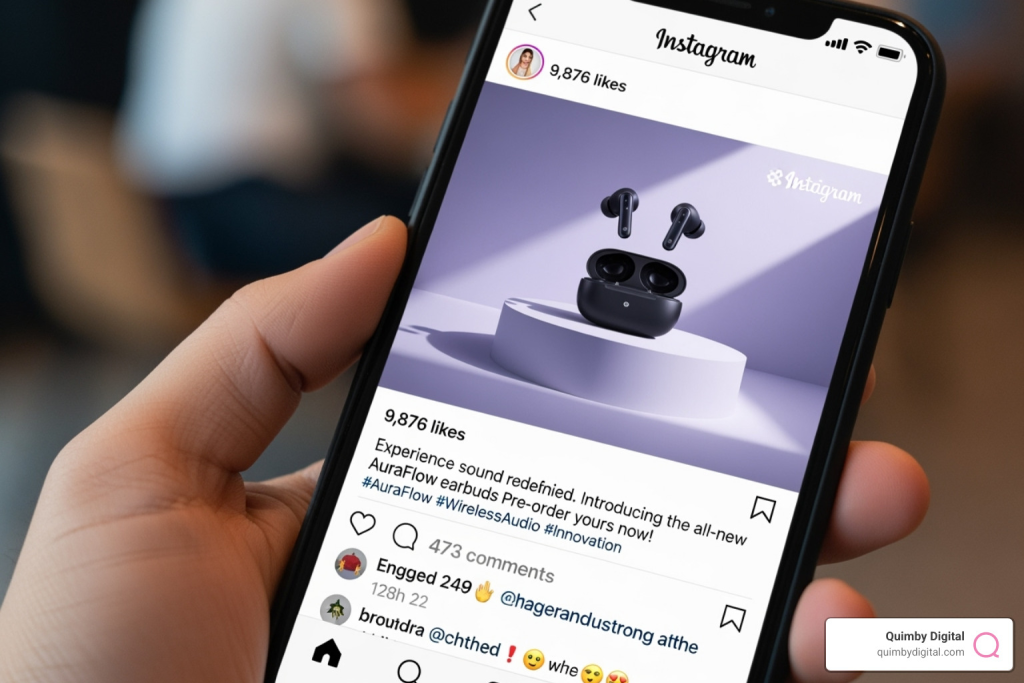
Social media is where your brand engagement strategy comes to life, especially for wellness, CPG, and tech-forward brands. It’s about creating spaces for genuine conversations.
Your content strategy should be varied, interesting, and authentic. Use a mix of visuals, videos, and interactive content like polls to give fast-scrolling users a reason to stop and engage.
We specialize in organic growth strategies that build real connections. While paid campaigns have their place, organic engagement creates a loyal community that drives business results.
Influencer marketing works best when it’s authentic. Partner with people who genuinely love your products, as their enthusiasm will resonate with their followers.
Social listening helps you monitor conversations about your brand and industry. Respond thoughtfully to both praise and criticism to show you’re paying attention.
Interactive features like polls, Q&As, and live streams make your social media feel alive. Our guide on Mastering Twitter Polls: How to Directly Engage With Your Audience shows you how to use these tools effectively.
Video content is a powerful storytelling tool. From behind-the-scenes glimpses to user-generated compilations, video helps people connect with the humans behind your brand. Check out 5 Ways for Brands to Create Effective Video Content for inspiration.
Each platform has its own personality. Tailor your approach to each one while staying true to your brand voice.
Measuring What Matters: Gauging the Impact of Your Efforts
Is your brand engagement strategy working? Without proper measurement, you’re flying blind. Tracking your efforts isn’t about vanity metrics; it’s about finding meaningful data that drives business decisions.
Think of measurement as your brand’s health check-up. You need a complete picture that includes both quantitative data (the numbers) and qualitative insights (the feelings behind them). Focus on metrics that connect to your business goals, whether that’s awareness, sales, or community loyalty. For a deeper dive, check out our guide on 5 Metrics to Record for Social Growth.
Key Metrics for Your Brand Engagement Strategy
An effective measurement approach combines several key areas to paint a complete picture of your success.
Social media engagement rates are your front-line indicators (likes, comments, shares). Focus on quality over quantity. A post with 50 meaningful comments is often more valuable than one with 500 passive likes. High engagement rates show your content is resonating.
Website traffic and time on site reveal deeper brand exploration. When social media engagement leads to more time on your site, you’re on the right track. Track “stickiness” metrics like repeat visitors to see if your brand is becoming part of their routine.
Your Net Promoter Score (NPS) cuts to the heart of loyalty. It asks, “How likely are you to recommend us?” and directly measures emotional connection. The real value comes from tracking changes over time.
Customer Satisfaction (CSAT) scores provide immediate feedback on specific interactions, helping you understand what’s working and what needs attention.
Conversion rates are crucial. Track how your engaged audience moves through your funnel—from follower to subscriber to paying customer.
Finally, Customer Lifetime Value (CLV) shows the long-term payoff. Engaged customers buy more, spend more, and cost less to retain, proving that engagement is a profit driver.
Understanding Brand Sentiment
Numbers tell you what is happening, but sentiment tells you how people feel. This emotional intelligence separates good brands from great ones.
Sentiment analysis tools scan brand mentions online to determine if the tone is positive, negative, or neutral, giving you a pulse on public opinion.
Social listening tools go further by monitoring broader industry conversations. This intel helps you find relevant discussions to join and stay ahead of trends.
Customer reviews are raw sentiment analysis. How you respond to feedback, especially negative reviews, is watched by potential customers and can strengthen your brand.
Regular surveys and feedback analysis round out your understanding. Analyzing feedback for patterns helps uncover pain points that may be hindering deeper engagement.
The magic happens when you combine these insights. High engagement rates but declining sentiment? That’s a red flag. Rising NPS despite slow follower growth? You’re likely attracting a higher-quality audience. Measurement isn’t about judgment—it’s about improvement. Listen to your audience and adjust your brand engagement strategy accordingly.
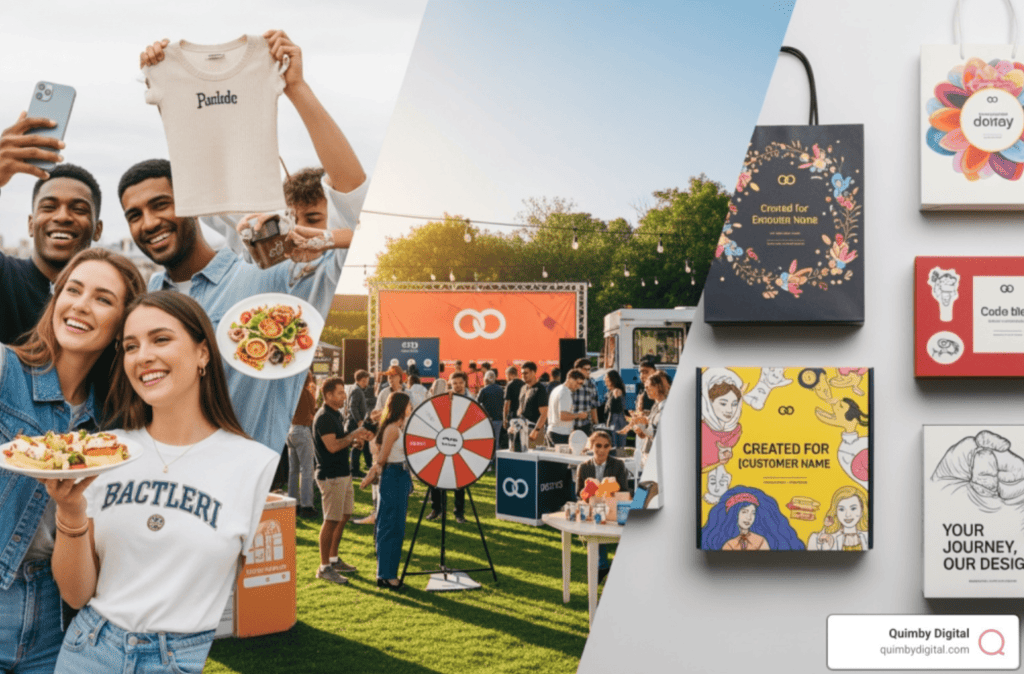
The best way to understand a successful brand engagement strategy is to see it in action. Leading brands like Gymshark, Starbucks, and Nike put community first, create genuine value, and build emotional connections that turn customers into advocates.
The Community-First Fitness Apparel Model
Gymshark became the UK’s fastest-growing company by understanding that people want to belong to something bigger. By 2024, their hashtag appeared in nearly 14 million Instagram posts, with revenue hitting over £400 million in 2023.
Gymshark’s power comes from building a genuine tribe around shared values. By celebrating customer journeys and creating inspirational content, they’ve made their apparel represent a movement, not just a product. Their influencer partnerships feel authentic, and they bring their community together with experiential marketing like their popular run clubs.
The Personalized Coffee Experience
Starbucks has turned a simple coffee purchase into a personalized experience. Their engaged members contribute nearly 40% of total sales, proving their strategy works.
The magic is in their seamless mobile app integration and loyalty program. Every interaction gathers data on customer preferences, powering personalized offers that make customers feel valued. They also connect with customers’ values through ethical sourcing stories and create a sense of belonging with a welcoming in-store experience.
The “Just Do It” Lifestyle Integration
Nike has become a philosophy, not just a brand. Their focus on engagement led to 16% revenue growth and 79 million engaged members by 2021, with repeat buyers increasing by 50% in just one year.
Nike’s success is built on inspirational storytelling that transcends products. “Just Do It” is more than a slogan; it’s a call to action reinforced in every campaign. They use gamification through apps like Nike Training Club to make fitness rewarding and partner with cultural icons who embody their values. Nike has built a movement where customers are active participants in a complete brand ecosystem.
Frequently Asked Questions about Brand Engagement
What is the difference between brand engagement and customer engagement?
While often used interchangeably, these terms are different.
Brand engagement is the broad, emotional connection an audience has with your brand’s identity, values, and story. It’s a top-of-funnel connection that builds the deep bonds that drive preference and make people feel part of your world.
Customer engagement, on the other hand, is more specific. It refers to the direct interactions a customer has with your products or services throughout their journey, such as using your app, making a purchase, or contacting support.
In short, brand engagement pulls people in with emotional appeal, while customer engagement focuses on specific actions and interactions.
How can a small business improve brand engagement?
For a small business, a strong brand engagement strategy relies on authenticity, which often beats a big budget.
- Focus on your niche to create more meaningful interactions within a specific community.
- Create helpful content that shares your expertise and shows the human side of your business.
- Engage directly on social media by responding to comments and joining conversations. Platforms like Reddit and TikTok offer huge opportunities for organic growth.
- Personalize communication with small touches, like using a customer’s name or acknowledging past purchases.
- Ask for feedback and act on it. This shows customers you’re listening and value their input, turning them into partners.
What role does personalization play in brand engagement?
Personalization is crucial. 64% of customers expect custom engagements based on past interactions, and over 60% of consumers think brands need to care more about them.
Personalization tells customers, “I see you as an individual.” This strengthens the emotional connection by replacing generic communication with content and offers that are personally relevant. The impact is huge: 76% to 78% of consumers are more likely to purchase from and recommend companies that personalize their experience.
At its core, personalization is about treating customers like unique individuals. When someone feels understood and valued, they become more loyal and more likely to advocate for your brand. This is why it’s at the heart of any effective brand engagement strategy.
Turn Your Audience into Advocates
A winning brand engagement strategy isn’t just about getting noticed—it’s about building relationships so strong that customers become your biggest fans. This happens when you understand that emotion drives nearly every decision and treat every touchpoint as a chance to strengthen that bond.
Successful brands master three elements: a clear identity, resonant values, and a solid reputation. What many miss is that engagement must be both internal and external. When your team is connected to the mission, that energy reaches every customer.
The power of emotional connection is immense. When people feel cared for by a brand, they don’t just buy—they become advocates who market for you through authentic word-of-mouth.
A holistic strategy that includes your employees is key. They are your first brand ambassadors, and their belief in what you’re building shines through in every interaction.
As a female-founded agency, we’ve seen how building authentic communities transforms businesses. From creating genuine connections on Reddit to building a TikTok following that feels like a friend group, the future belongs to brands that prioritize real relationships.
The brands winning today aren’t just selling products—they’re building movements. They create spaces where customers feel heard, valued, and part of something bigger. That’s how you turn browsers into devoted champions.
Ready to transform your audience into your most enthusiastic advocates? Explore our social media services to build your winning strategy. We specialize in organic growth that feels natural, not forced—because that’s how lasting relationships are built.