

Master brand awareness campaigns. Learn digital strategies, measure success, and build loyal fans. Get your awareness advantage today!
Brand awareness campaigns are strategic marketing efforts designed to increase recognition and familiarity with your brand among target audiences. These campaigns focus on building long-term relationships rather than immediate sales, creating the foundation for customer loyalty and market dominance.
When you need a tissue, do you ask for a tissue, or for a Kleenex? This reveals the ultimate power of brand awareness. Companies like Kleenex have achieved what marketers call proprietary eponyms—when a brand name becomes synonymous with the product category. You don’t need to reach that level of fame to see an impact. Research shows that 69% of consumers choose familiar brands over cheaper alternatives, and brands investing in awareness see a 3.5x increase in share price. For wellness, CPG, and tech companies in crowded markets, brand awareness is your competitive moat.
Brand awareness works because of a simple psychological principle: familiarity breeds trust. When customers recognize your brand, they’re 2.1 times more likely to trust you. This trust translates directly into sales, customer retention, and the ability to charge premium prices. Strengthening customer retention strategies ensures that this trust turns into long-term loyalty and sustained revenue growth. The challenge is building authentic awareness in today’s noisy digital landscape, which requires a strategic approach that turns strangers into fans.
For broader wellness growth strategies, dive into The 2025 Playbook for Health and Wellness Marketing.
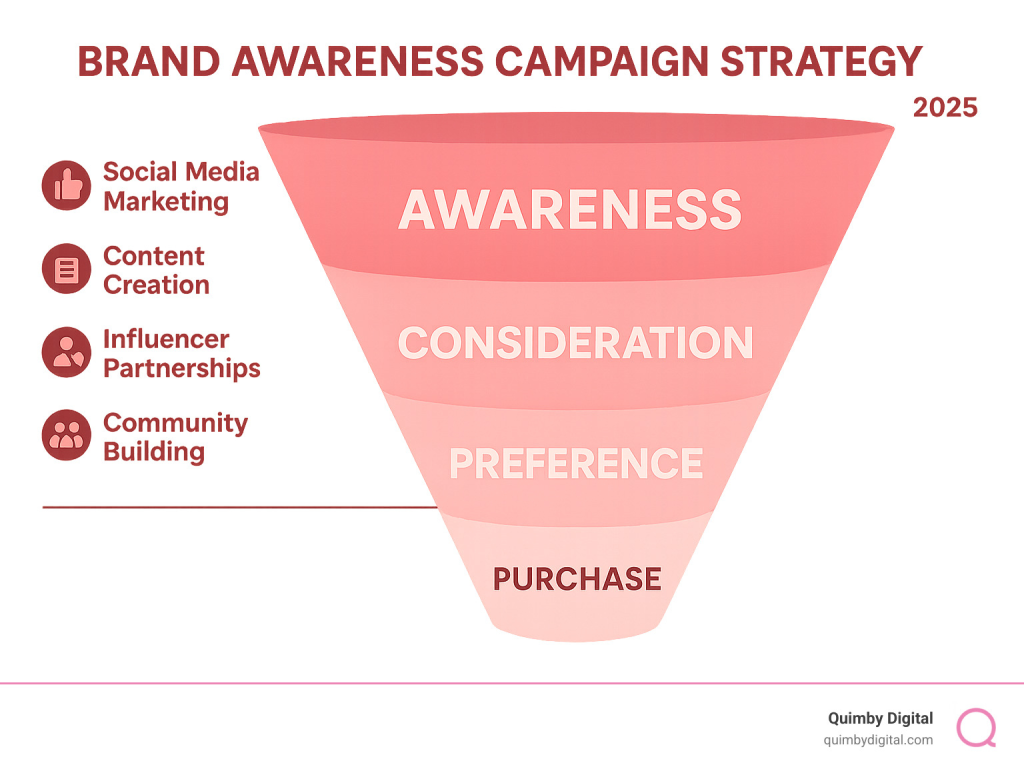
At its core, brand awareness is the extent to which consumers can identify a brand and recall information or impressions about it. It’s about being “top of mind” when a customer has a need you can satisfy. This familiarity contributes to brand equity—the perceived value that comes from a strong brand name. By building awareness, we build a reputation and credibility that accumulates over time. This leads to a greater market share and allows for premium pricing. The cognitive impact of brand awareness creates a mental shortcut for consumers, simplifying their decisions.
While related, brand awareness and brand recognition are distinct:
| Feature | Brand Awareness | Brand Recognition |
| Definition | The ability to recall a brand and its associations, often without prompts. | The ability to identify a brand by its visual cues (logo, colors). |
| Depth | Deeper; includes recall of values and overall impression. | Surface-level; focuses on visual identification. |
| Trigger | Can be unaided (spontaneous recall) or aided (recall with a prompt). | Aided (identifying when seeing a logo or ad). |
| Goal | To become memorable, trusted, and top-of-mind. | To be easily identifiable through visual identity. |
| Example | “I need a drink, I’ll grab a Coke.” | “That red can with the white script is Coke.” |
The Unspoken Power of Familiarity
The power of familiarity builds a bedrock of trust that is difficult for competitors to shake. As noted, consumers are 2.1 times more likely to trust a brand if they have a positive perception of it. This trust is a critical factor in purchasing decisions and fosters customer loyalty, turning one-time buyers into advocates. This psychological aspect of branding is key to long-term success, which you can explore further by learning about the psychology of brand loyalty.
Key Components of Successful Brand Awareness Campaigns
Successful campaigns need a solid foundation built with precision and purpose.
- Target Audience Identification: Go beyond demographics to understand your audience’s motivations, needs, and pain points. For wellness, CPG, and tech brands, this means understanding specific health concerns, lifestyles, or tech adoption patterns.
- Clear Brand Message: Define your unique selling proposition (USP). This message must be consistent and compelling across all touchpoints.
- Consistent Brand Voice & Channel Selection: Your brand voice should be authentic and resonate with your audience. Choosing the right channels means meeting your audience where they are, whether that’s a niche Reddit community or the busy feeds of TikTok.
Crafting Your Digital Strategy for Brand Awareness Campaigns

Building effective brand awareness campaigns in today’s digital landscape requires weaving together multiple channels into a cohesive strategy. Each channel reinforces the others, creating multiple touchpoints where potential customers can find and remember your brand.
- SEO forms your foundation, building familiarity as your brand appears in search results for solutions you provide.
- PPC advertising gives you immediate, targeted visibility. For awareness, CPM bidding often works best to maximize exposure.
- Content marketing is your storytelling vehicle, while social media creates conversations around that content.
- Influencer partnerships amplify your message through trusted voices, and referral programs turn happy customers into brand ambassadors.
The Role of Content Marketing in Building Your Brand
Content marketing is central to brand awareness campaigns because it provides genuine value instead of just interrupting people with ads. Storytelling creates emotional connections that facts can’t match. Your brand has stories, whether it’s your founding mission, customer successes, or the passion behind your products. Measuring reach in marketing helps brands understand how far their content is spreading and which channels drive the most visibility.
Value-driven content comes in many forms:
- Blogging establishes your expertise and helps people find you through search.
- Video marketing brings your brand personality to life. Authenticity often trumps production value. You can learn more about how to create effective video content that connects with viewers.
- Podcasts offer intimate access to engaged, niche audiences, whether you start your own show or guest on others.
- Thought leadership content positions you as the expert people turn to when they’re ready to buy.
Take Liquid Death’s approach: they built massive brand awareness through humorous, edgy content that feels nothing like traditional beverage marketing, proving that being authentically entertaining cuts through the noise.
Leveraging Social Media for Maximum Reach
With consumers spending over 2 hours daily on social media, these platforms are essential for brand awareness campaigns. The key is to treat social media like a community center, not a billboard. Real community building happens when you foster genuine connections.
Engagement strategies should focus on conversations, not broadcasts. Responding thoughtfully to comments and asking meaningful questions transforms followers into community members. User-generated content (UGC) is marketing magic; when customers share authentic experiences, they provide social proof that no ad budget can buy. In fact, friends and family are top sources of brand awareness for many consumers, making UGC incredibly valuable.
Platform-specific tactics are crucial. TikTok rewards creativity and trend participation. Reddit thrives on genuine participation in specialized communities. Instagram remains a champion for visual storytelling. Building trust on social media takes patience and consistency. You can learn more about how to use social media to build trust and choose the right platforms for maximum impact.
Strategies for Startups and Small Businesses on a Budget
Not everyone has a million-dollar marketing budget, but some of the most memorable brand awareness campaigns came from scrappy startups that were creative instead of expensive.
- Freemium models can introduce thousands of people to your brand organically.
- Local partnerships and guest blogging tap into existing audiences and build authority.
- Organic social growth through authentic engagement often outperforms expensive ads, especially on platforms like Reddit and TikTok.
- Referral programs turn satisfied customers into active promoters.
- Contests and giveaways generate buzz and expand reach quickly.
For more inspiration, you can explore tips for entrepreneurs to increase brand awareness without breaking the bank. The secret ingredient isn’t money—it’s consistency.
How to Measure Campaign Success (and Prove Its Value)
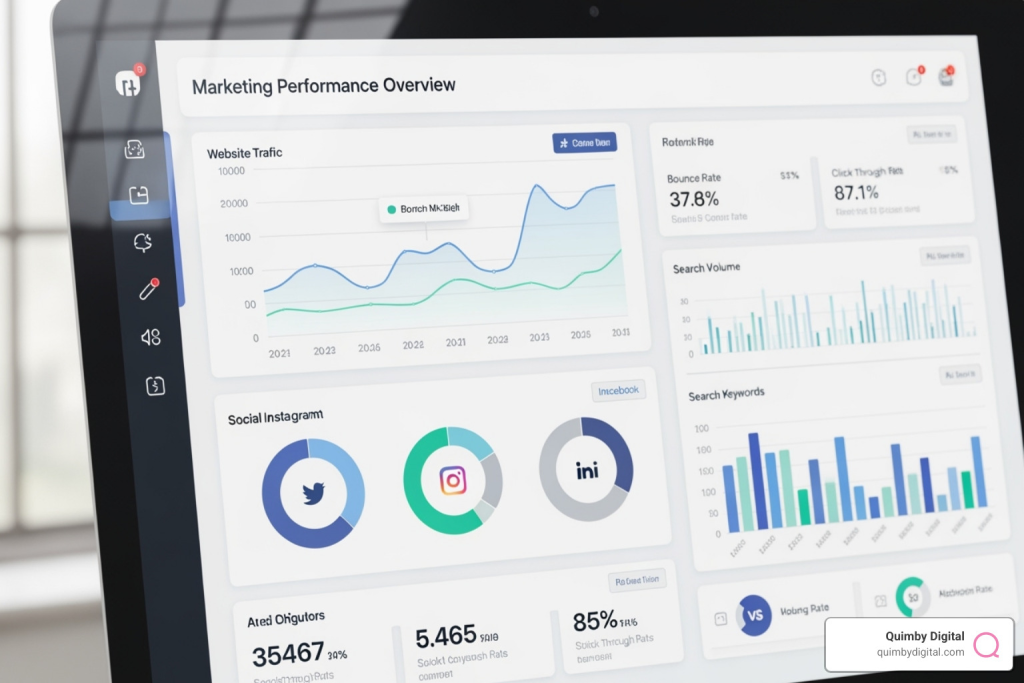
Measuring brand awareness campaigns can feel like trying to catch smoke. Unlike direct response marketing, brand awareness lives in emotions, memories, and being top-of-mind. However, just because it’s hard to measure doesn’t mean it’s impossible. The key is setting up the right tracking from day one to understand what’s working so you can do more of it.
Key Metrics to Track
Focus on signals that show real recognition and recall, not just vanity metrics.
- Direct Website Traffic: When people type your URL directly into their browser, it means you’ve moved from “unknown” to “top of mind.”
- Social Media Engagement: Look for meaningful interactions—comments that spark conversations, shares that introduce you to new audiences, and saves that show people value your content.
- Social Share of Voice: This shows how much of the conversation in your industry belongs to you versus competitors. Calculate it by dividing your brand mentions by total industry mentions.
- Branded Search Volume: This is particularly telling because it shows intent. When people search for your specific brand name, they’re actively looking for you.
- Brand Mentions: Every time someone talks about your brand online—linked or unlinked—it builds awareness. Unlinked mentions on Reddit or TikTok are often the most authentic endorsements.
- Referral Traffic: This shows when other websites, blogs, or social platforms are sending people your way, indicating that others find your brand worth talking about.
For deeper insights, you can review these 5 metrics to track for social growth.
Measuring the ROI of Your Brand Awareness Campaigns
How do you prove that brand awareness campaigns drive business results? The answer lies in connecting awareness activities to business outcomes, even when the path isn’t linear.
- Attribution Models: Look at pre- and post-campaign awareness levels alongside sales data. If a creative campaign leads to a spike in branded searches followed by increased conversions, you can draw meaningful connections.
- Conversion Tracking: Use tools like Google Analytics to track what happens after someone encounters your brand awareness content. They might not buy immediately, but they may sign up for a newsletter and purchase months later.
- Customer Lifetime Value (CLV): CLV often increases when brand awareness is strong. Customers who find you through authentic brand experiences tend to stick around longer and spend more.
- Correlating Activity with Sales Lift: When you launch a major awareness push and see corresponding increases in overall business metrics, it tells you the campaign is working.
The bottom line is that nobody buys from a brand they don’t know exists. By tracking these metrics, you can prove that investing in brand awareness campaigns builds the foundation for long-term growth.
The Future of Brand Awareness: Trends for 2025 and Beyond

The world of brand awareness campaigns is changing fast. The brands that thrive aren’t just keeping up with trends—they’re building genuine connections in a world hungry for authenticity. Authenticity has moved from a buzzword to a business necessity, with 88% of consumers rating it as important when choosing brands.
We’re also seeing a shift toward niche communities. Smart brands are finding their people in smaller, focused spaces like specific subreddits, Discord servers, or TikTok niches. Experiential marketing is getting more creative, and sustainability and values-based branding are no longer optional. Consumers expect brands to stand for something meaningful.
Navigating the AI-Powered Landscape
AI is changing how people find information. AI Overviews now appear at the top of many Google searches, creating a new opportunity for brand visibility if AI systems understand what your brand represents. Large Language Models (LLMs) like ChatGPT are becoming go-to resources for recommendations, often based on how frequently and positively brands appear in their training data.
This makes unlinked brand mentions incredibly valuable. Every time someone writes about your brand in a blog post, forum, or social comment, you’re building AI visibility. Optimizing for entity search means creating clear connections between your brand and relevant topics. The more AI systems see your brand mentioned alongside specific problems or solutions, the more likely they are to recommend you. You can learn more about preparing for platform shifts like the TikTok ban to stay adaptable.
The Rise of Authenticity and Creator-Led Marketing
Influencer marketing has evolved into creator-led marketing that feels genuine and helpful. Digital creators build communities around shared interests and expertise, making their recommendations feel like advice from a trusted friend. Learning what is a digital creator? helps explain why this approach works so well.
The numbers tell the story: 61% of consumers aged 18-34 have been convinced to buy something by an influencer. It’s not about the size of their following; it’s about the genuine connection they’ve built.
Take Chipotle’s “Creator Class” program, which partners with creators who genuinely love the brand. Instead of scripted promotions, these creators share authentic experiences. For wellness, CPG, and tech brands, this means finding creators who actually use and believe in your products. When a fitness creator genuinely includes your supplement in their routine, that’s when brand awareness campaigns feel authentic, not intrusive.
The future belongs to brands that balance technology with humanity—using AI to reach the right people while creating genuine connections that turn strangers into fans.
Frequently Asked Questions about Brand Awareness Campaigns
How does brand awareness differ from lead generation?
This is a critical distinction. Think of brand awareness campaigns as the friendly introduction at a networking event. You’re making sure people know who you are and what you’re about. These campaigns are at the top of the marketing funnel, focused on building recognition and positive associations.
Lead generation, on the other hand, is a bottom-of-funnel activity. It’s about capturing contact information from people who are ready to take the next step. The goals are different: brand awareness plays the long game by building brand equity and customer loyalty, while lead generation seeks immediate sales opportunities.
Essentially, brand awareness is like planting seeds, while lead generation is harvesting the fruit. You need both, but they serve different purposes at different stages.
What are some examples of highly successful brand awareness campaigns?
Some of the most memorable brand awareness campaigns created lasting cultural impact through creativity and strategic thinking.
- Verizon’s “Can You Hear Me Now?” campaign brilliantly highlighted its superior network coverage by addressing a universal pain point: dropped calls. The simple, repetitive question was incredibly effective and helped Verizon grow its customer base.
- The Barbie movie’s 2023 marketing blitz was a masterclass in modern brand awareness. It created a cultural moment through experiential marketing, a viral AI selfie generator, and a coordinated multi-channel approach that was impossible to miss.
- Coca-Cola’s “Share a Coke” campaign was simple yet effective. By replacing its logo with popular names, it turned every bottle into a personalized experience that people were eager to find and share on social media.
These campaigns succeeded because they were memorable, authentic, and resonated deeply with their audiences. They created experiences and emotions, not just ads.
How long does it take to see results from a brand awareness campaign?
Building brand awareness is a marathon, not a sprint. Expecting overnight success is unrealistic.
You might see early indicators within a few weeks or months, such as increased social media engagement or more direct website traffic. These are signs that your message is cutting through the noise.
However, the real impact comes from compounding effects over time. Deeper brand recognition and loyalty typically take anywhere from six months to several years to develop fully. Factors like your budget, industry competitiveness, and the consistency of your strategy all influence the timeline.
The key is to understand that investing in brand awareness campaigns is a long-term play. You’re building a sustainable foundation for your business that will pay dividends for years to come through patience and consistency.
Conclusion
Throughout this guide, we’ve seen that brand awareness campaigns are more than just marketing—they’re the foundation that transforms strangers into loyal fans. When someone asks for a Kleenex instead of a tissue, that’s the power you’re building toward.
Brand awareness works by creating familiarity that breeds trust. With 69% of consumers choosing familiar brands over cheaper alternatives, this is the competitive moat that protects your business. The digital strategies we’ve explored—from storytelling with content to building communities on social media—all work together. The principles are simple: authenticity wins, consistency pays off, and genuine connection trumps everything.
Measuring this is no longer a fuzzy concept. Branded search spikes, social share of voice growth, and organic mentions all tell the story of a brand becoming part of the conversation. In our AI-powered future, this foundation is more valuable than ever.
At Quimby Digital, we believe that brands that focus on building loyal fanbases, not just customer lists, are the ones that thrive long-term. Our expertise in organic growth for wellness, CPG, and tech-forward brands means we understand how to steer crowded markets.
We specialize in the authentic community-building moments on platforms like Reddit and TikTok, where real connections form. It’s not about posting and hoping; it’s about creating brand awareness campaigns that truly resonate.
Your brand deserves more than awareness—it deserves advocacy. Ready to transform how your audience sees, remembers, and talks about your brand? Let’s build your brand’s awareness advantage together.